Loading city information...
Join our Facebook Group: Join: Expats in Saudi Arabia
Loading city information...
Explore the holiest city in Islam. From the Grand Mosque to Jabal al-Nour, discover Mecca's sacred sites, history, and spiritual significance for Muslim visitors.
Mecca (Makkah al-Mukarramah) is the holiest city in Islam and the birthplace of Prophet Muhammad. Every year, millions of Muslims from around the world travel here to perform Hajj and Umrah pilgrimages. The city is centered around the Masjid al-Haram, which houses the Kaaba, Islam's most sacred structure. Please note that entry to Mecca is restricted to Muslims only.
Whether you are interested in history, culture, architecture, or simply experiencing authentic Saudi life, Mecca offers something for every type of traveler.
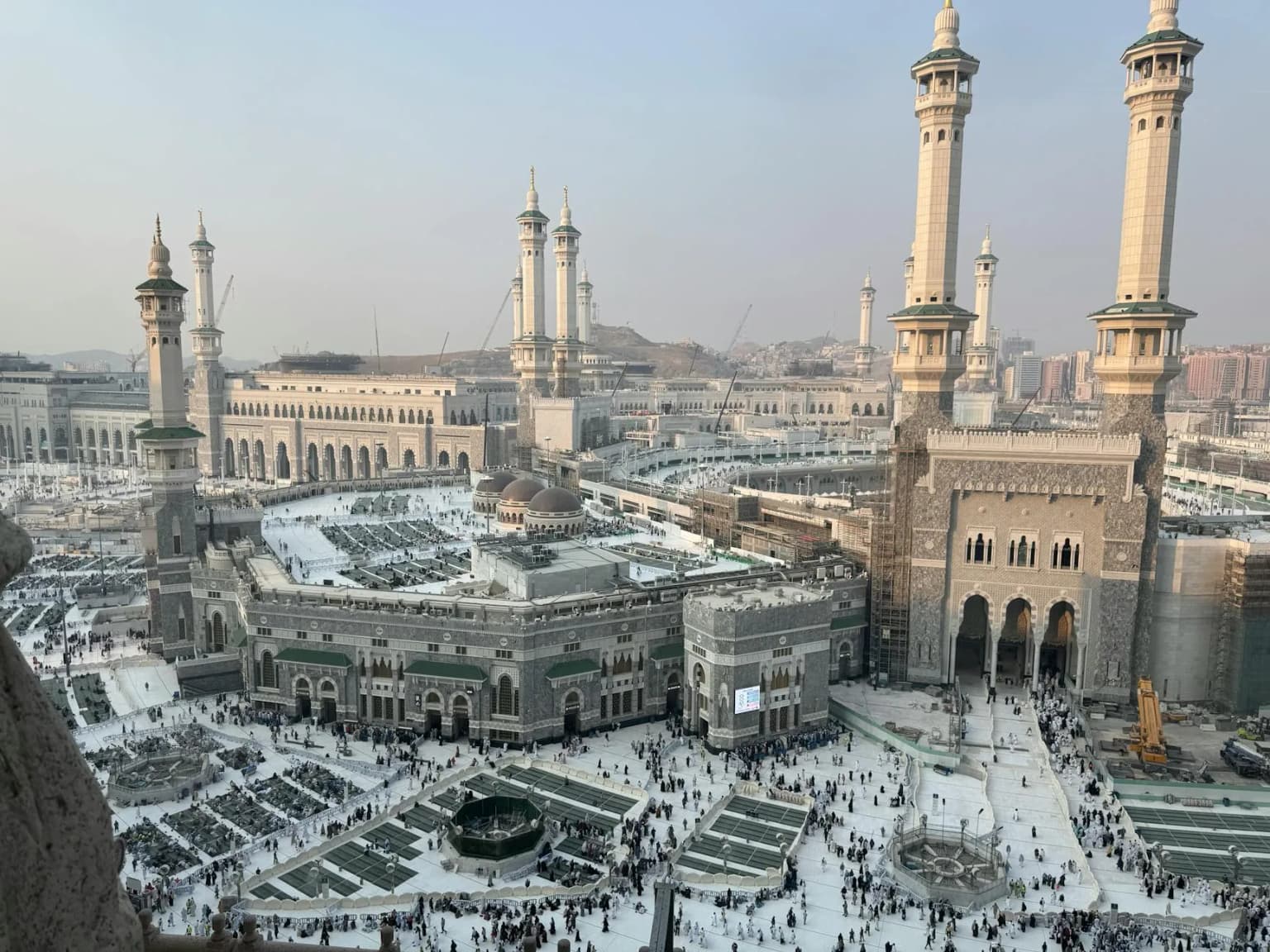
The largest mosque in the world and the holiest site in Islam, encompassing the Kaaba at its center. The mosque can accommodate over two million worshippers during Hajj and has been expanded many times throughout history to serve the ever-growing number of pilgrims.
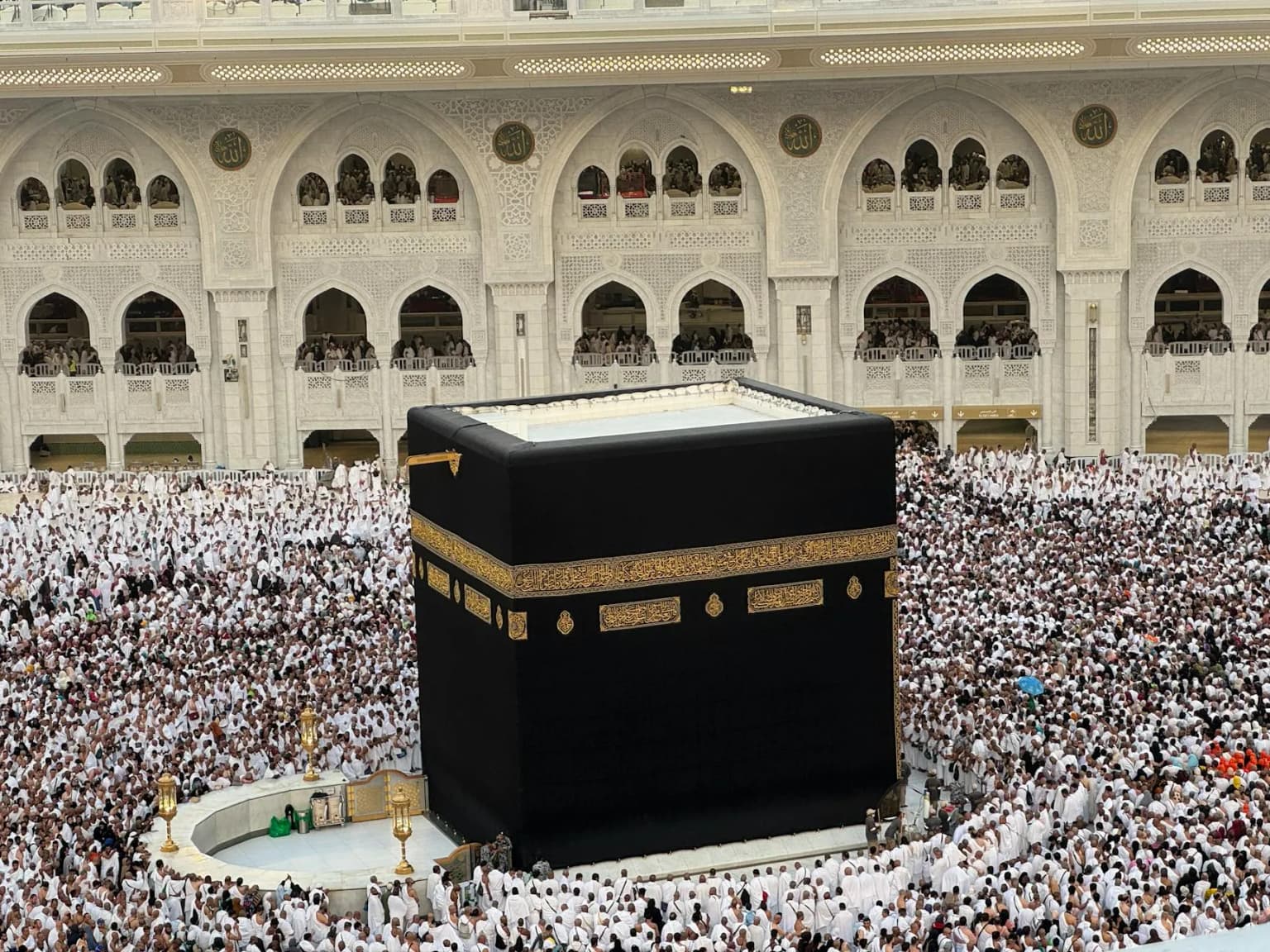
The most sacred structure in Islam, the Kaaba is a cube-shaped building at the center of Masjid al-Haram. Muslims around the world face its direction (Qibla) during daily prayers. Pilgrims perform Tawaf by circling the Kaaba seven times counter-clockwise as an act of worship.
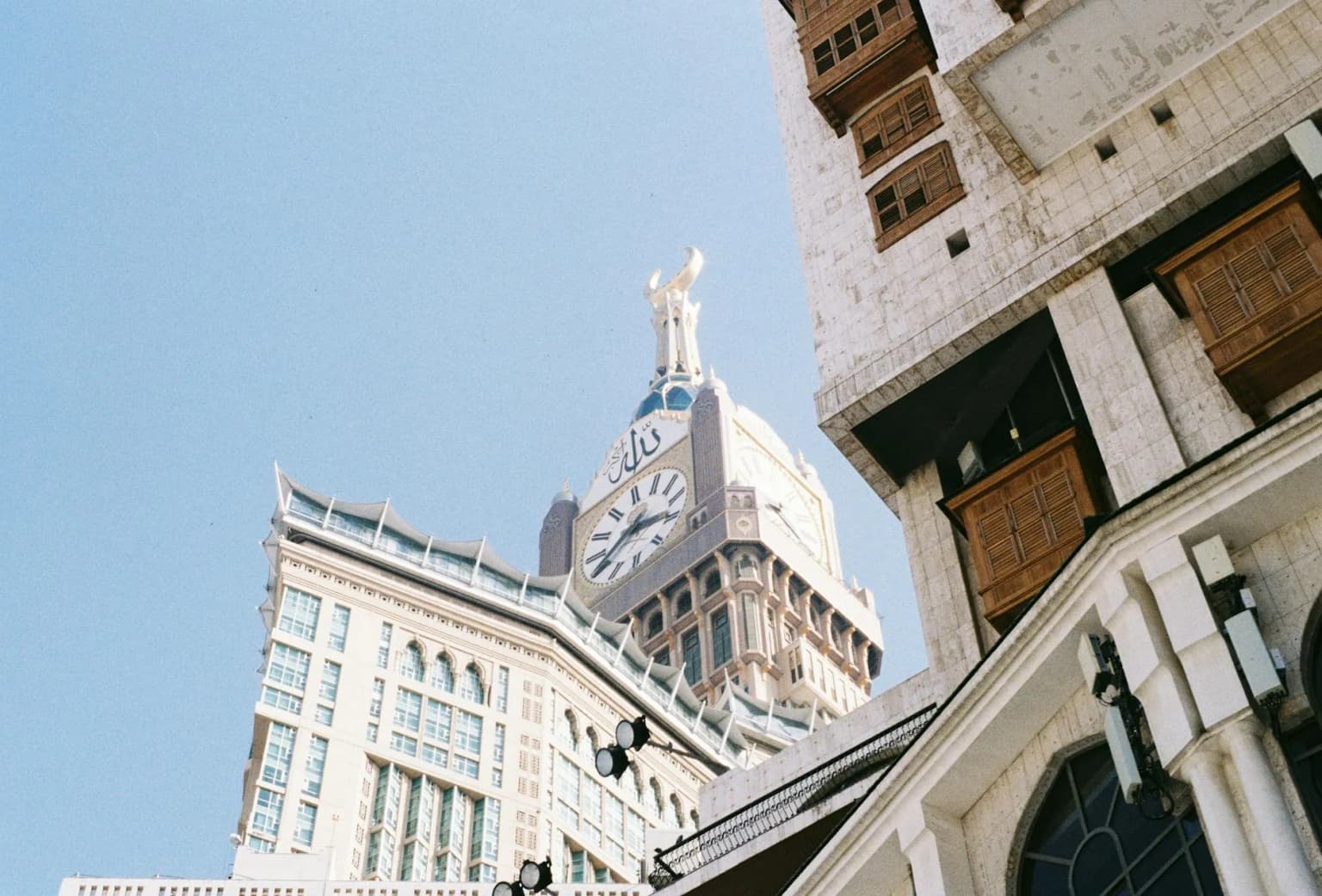
Home to the world's largest clock face at 141 feet (43 m) in diameter, visible from 16 miles (25 km) away. The Abraj Al-Bait complex towers over the Grand Mosque and includes a hotel, shopping mall, prayer halls, and a museum. It is one of the tallest buildings in the world.
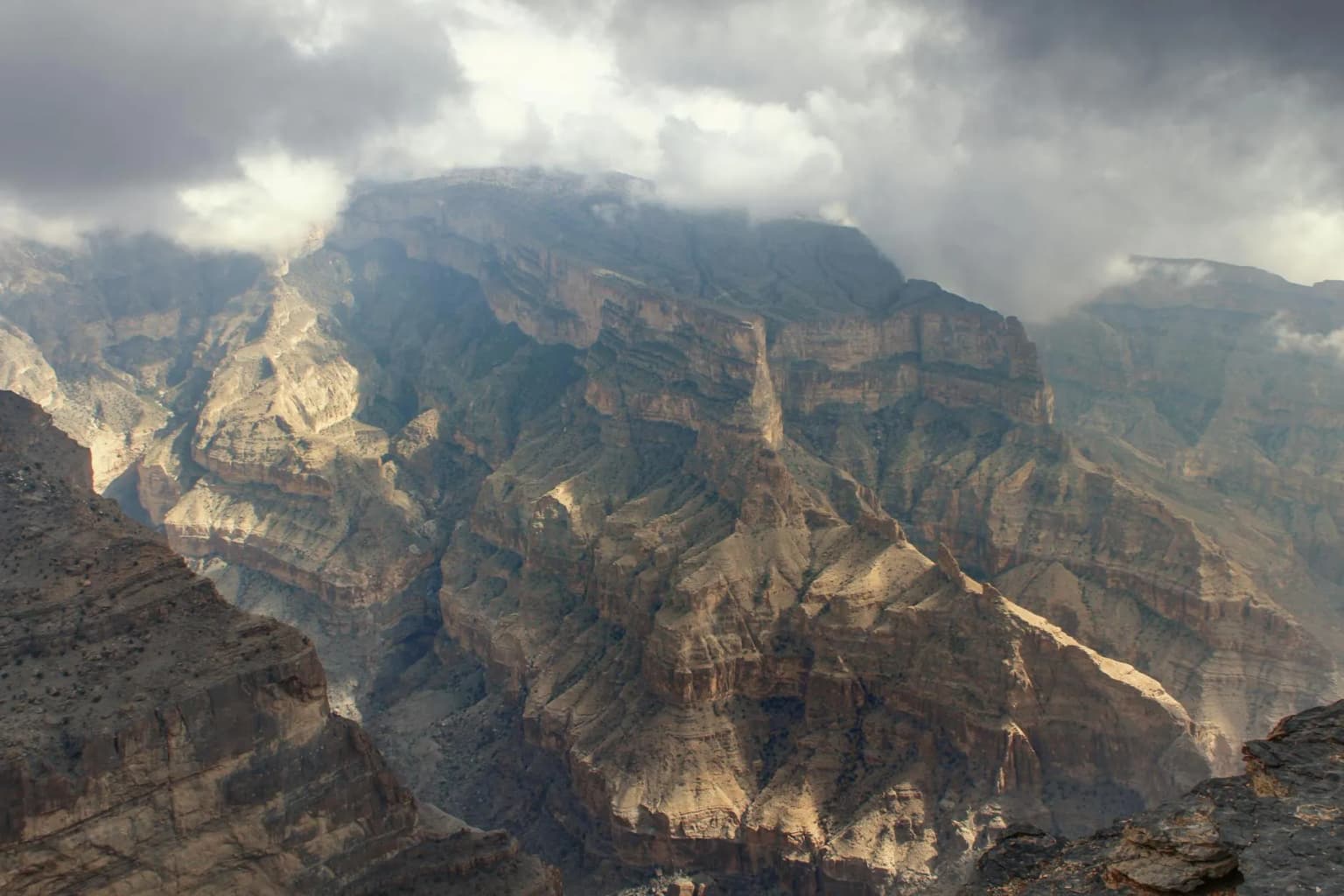
This mountain houses the Cave of Hira, where Prophet Muhammad received the first revelation of the Quran from the angel Jibril. The climb to the cave takes one to two hours and offers sweeping views of Mecca. It is one of the most spiritually significant sites outside the Haram.
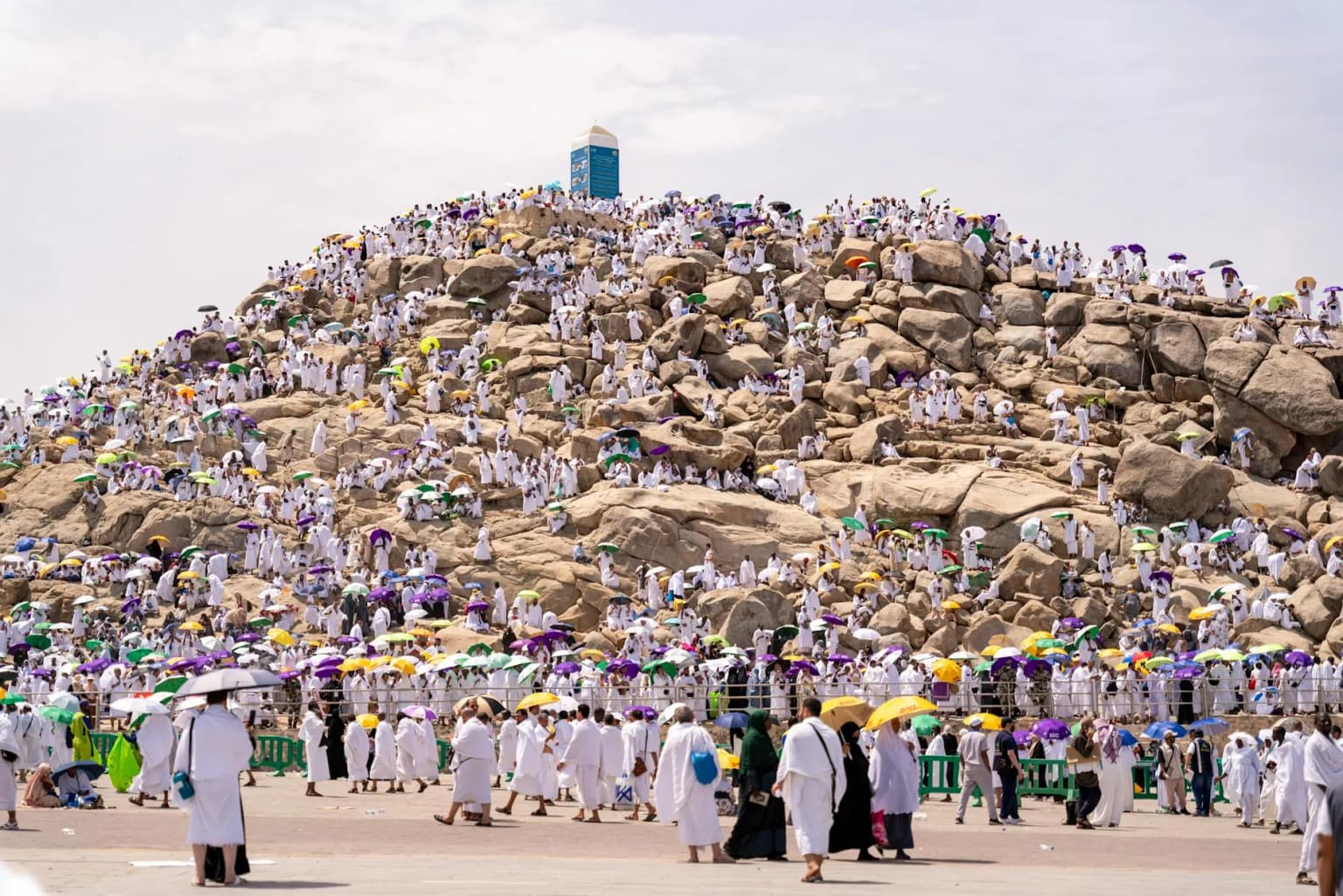
The plains of Arafat and the tent city of Mina are central to the Hajj pilgrimage. Pilgrims gather at Arafat on the 9th of Dhul Hijjah for the Day of Standing (Wuquf), considered the most important ritual of Hajj. Mina hosts the symbolic stoning of the Jamarat pillars.
Click on a numbered marker to see the attraction name. Numbers correspond to the attraction order below.
Discover and book guided tours, skip-the-line tickets, and unique experiences in Mecca.
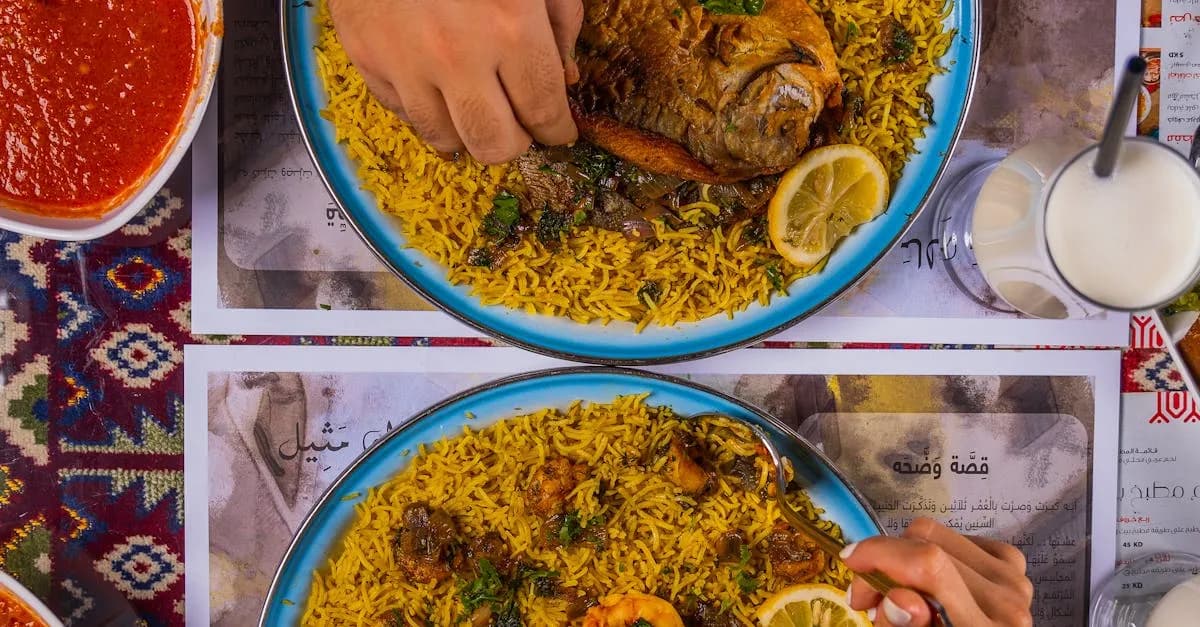
Dining in Mecca centers around the Grand Mosque area, with countless restaurants and food stalls catering to the diverse international pilgrim population. Hejazi cuisine dominates, featuring dishes like saleeg, matazeez (lamb stew with wheat dumplings), and an abundance of dates. Expect to pay 25-60 SAR for a typical meal, with higher prices at restaurants directly overlooking the Haram. During Ramadan, free iftar meals are widely distributed throughout the mosque and surrounding streets.
Saleeg A creamy Hejazi rice dish slow-cooked in milk and chicken broth until it reaches a porridge-like consistency, typically served with roasted chicken on top. A plate typically costs 30-50 SAR.
Matazeez A hearty lamb stew with hand-torn wheat dumplings simmered in a tomato-based broth with vegetables. A staple comfort food of the Hejaz region. A plate typically costs 35-60 SAR.
Dates (Tamr) Saudi Arabia is famous for its dates, and Mecca offers some of the finest varieties including Ajwa, Sukkari, and Safawi. Dates are traditionally offered as a gesture of hospitality and are integral to breaking fast during Ramadan. A plate typically costs 15-80 SAR per kg.
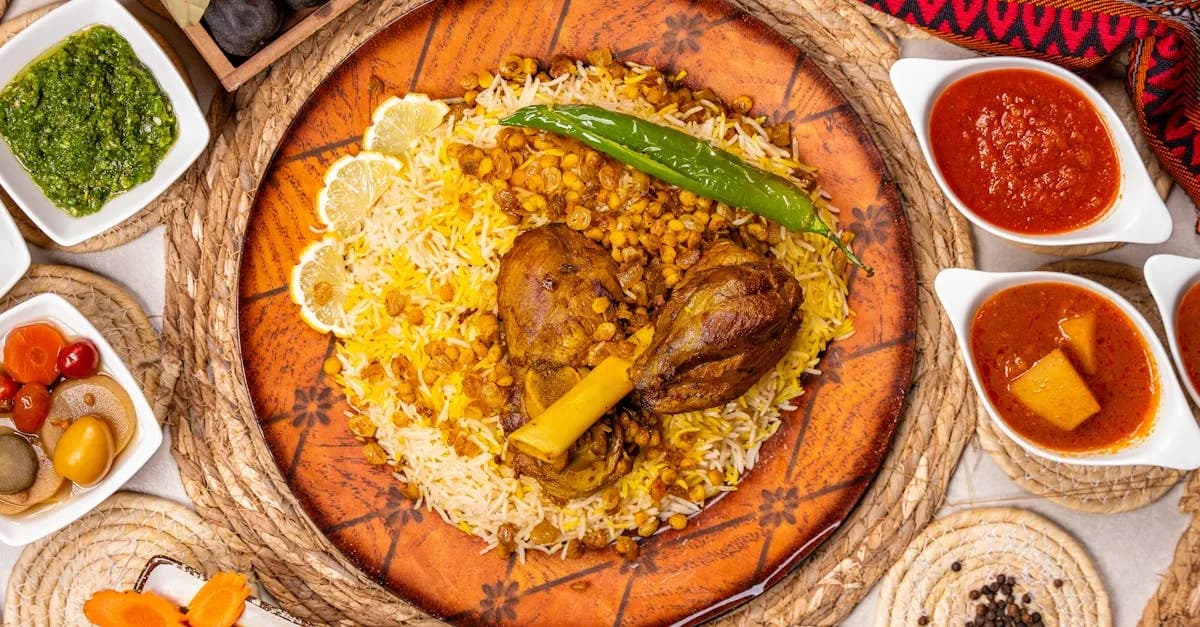
Kabsa The national dish of Saudi Arabia featuring spiced rice with slow-cooked lamb or chicken, garnished with fried onions, raisins, and nuts. Widely available throughout Mecca. A plate typically costs 25-55 SAR.
Mutabbaq A stuffed pan-fried pastry filled with minced meat, eggs, and vegetables. Popular as a street food and light meal near the Haram. A plate typically costs 10-25 SAR.
Al Baik (Multiple locations near the Haram) The legendary Saudi fried chicken chain with a massive following. Expect long queues but outstanding crispy chicken and garlic sauce at very affordable prices. Expect to pay around 15-35 SAR.
Al Tazaj (Near Masjid al-Haram and Abraj Al-Bait) Popular chain specializing in flame-grilled chicken marinated in signature spices. A reliable and budget-friendly option for pilgrims. Expect to pay around 25-50 SAR.
Abraj Al-Bait Food Court (Abraj Al-Bait Complex) A wide variety of international and Middle Eastern cuisine in the Clock Tower complex, offering everything from fast food to sit-down restaurants with views of the Haram. Expect to pay around 30-80 SAR.
Hanini Restaurant (Al Aziziyah district) Authentic Hejazi cuisine in a traditional setting. Known for excellent saleeg, matazeez, and lamb mandi dishes served generously. Expect to pay around 35-65 SAR.
Restaurants nearest to the Haram charge a premium; walk a few blocks for better value.
During Ramadan, free iftar meals are available at the Grand Mosque and distributed by charitable organizations throughout the city.
Zamzam water is freely available at the Grand Mosque and in most hotels. It is considered blessed and many pilgrims bring bottles home.
Street food vendors near the Haram sell excellent mutabbaq, shawarma, and fresh juice at very reasonable prices.
Many restaurants stay open 24 hours during Hajj and Ramadan to accommodate worshippers.
Supermarkets such as Panda and Bin Dawood are available throughout the city, with a large Bin Dawood branch conveniently located in the Abraj Al-Bait complex. Most stores stock international products catering to the global pilgrim population. Prices for groceries are moderate, though imported items cost more.
Choosing the right area can make or break your trip. Here is a quick guide to Mecca's neighborhoods to help you pick the best base for your visit.
Click on an area for details. Zones are approximate.
| Neighborhood | Price Level | Why Stay Here |
|---|---|---|
| Ajyad (near Grand Mosque) | Very High | Closest residential area to the Grand Mosque, extremely convenient but very expensive, especially during Hajj and Ramadan. |
| Al Aziziyah | Medium | Large residential and commercial district south of the Haram, popular with residents and seasonal workers. Good amenities and markets. |
| Al Shisha | Medium | Developing residential area with newer apartment buildings, more affordable than central districts. |
| Al Awali | Medium-High | Upscale residential area in southern Mecca with modern villas and good infrastructure, popular with families. |
| Al Kakiyyah | Low-Medium | Outer residential area with more affordable housing, further from the Grand Mosque but accessible by transport. |
Hotel prices correlate with neighborhood rent levels. For longer stays, consider renting an apartment for better value. Planning to relocate? See our full Mecca living guide.
Getting around Mecca is straightforward near the Haram, which is highly pedestrian-friendly with tunnels, covered walkways, and escalators connecting various levels. Outside the immediate Haram area, ride-hailing apps are the most practical option. During Hajj season, expect severe traffic congestion as the city population can swell to over four million.
Walking (Free) The Haram area is very pedestrian-friendly with air-conditioned tunnels, walkways, and escalators. Most hotels are within walking distance of the mosque.
Al Mashaaer Al Mugaddassah Metro (Included in Hajj package) An 18-kilometer automated metro line connecting the Hajj sites of Arafat, Muzdalifah, and Mina. It operates exclusively during the Hajj season to transport pilgrims between sacred sites.
Ride-hailing (Uber/Careem) (10-40 SAR for trips within the city) Available throughout the city outside peak pilgrimage times. Careem is particularly popular and reliable in Mecca.
Haramain High-Speed Railway (50-250 SAR depending on class and destination) Connects Mecca to Jeddah (30 minutes) and Medina (approximately 2 hours). The Mecca station is located in Al Rusayfah district.
Taxis (15-50 SAR for trips within the city) Metered taxis are available but can be difficult to find during peak times. Negotiate the fare before getting in if the meter is not used.
Mecca does not have its own airport. The nearest airport is King Abdulaziz International Airport (JED) in Jeddah, approximately 80 kilometers west. The Haramain High-Speed Railway connects Jeddah airport to Mecca in about 30 minutes, making it the fastest and most convenient transfer option. Taxis and private transfers are also available.
Driving in Mecca is challenging, especially during Hajj and Ramadan. Traffic congestion can be extreme around the Haram and along main arteries. Non-Muslims are not permitted to enter Mecca, and checkpoints are set up on all approaches. If you do drive, parking is scarce near the Haram; use hotel parking or park further out and walk.
Useful apps: Careem - popular ride-hailing app widely used in Mecca, Uber - alternative ride-hailing service, SAR (Haramain Railway) - for booking high-speed train tickets, Tawakkalna - required government health and access app, Nusuk - official app for Hajj and Umrah permits and services, Google Maps - navigation and finding nearby services.
While Mecca itself demands much of a pilgrim's time and devotion, the surrounding Hejaz region offers rewarding day trips. The mountain city of Taif provides a refreshing escape from the desert heat, while the coastal metropolis of Jeddah is just 30 minutes away by high-speed train. The Al Hada Mountains between Mecca and Taif offer dramatic scenery and cooler air.
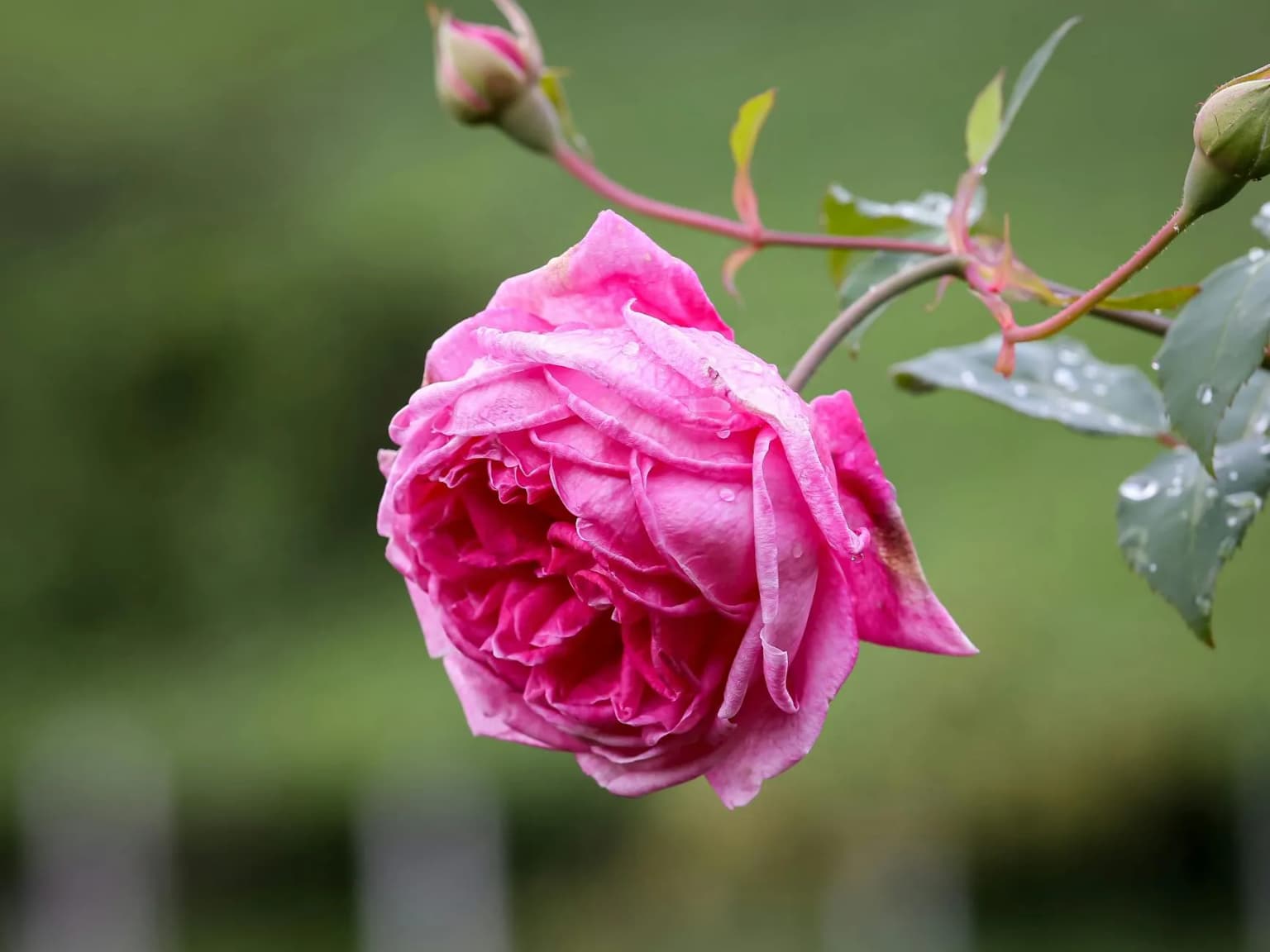
Known as the "City of Roses," Taif sits in the Hejaz Mountains at around 1,800 meters elevation, offering a cool escape from Mecca's heat. Famous for its rose gardens, fragrant rose water, fresh fruit, and the historic Shubra Palace. The scenic drive through the mountains is spectacular.
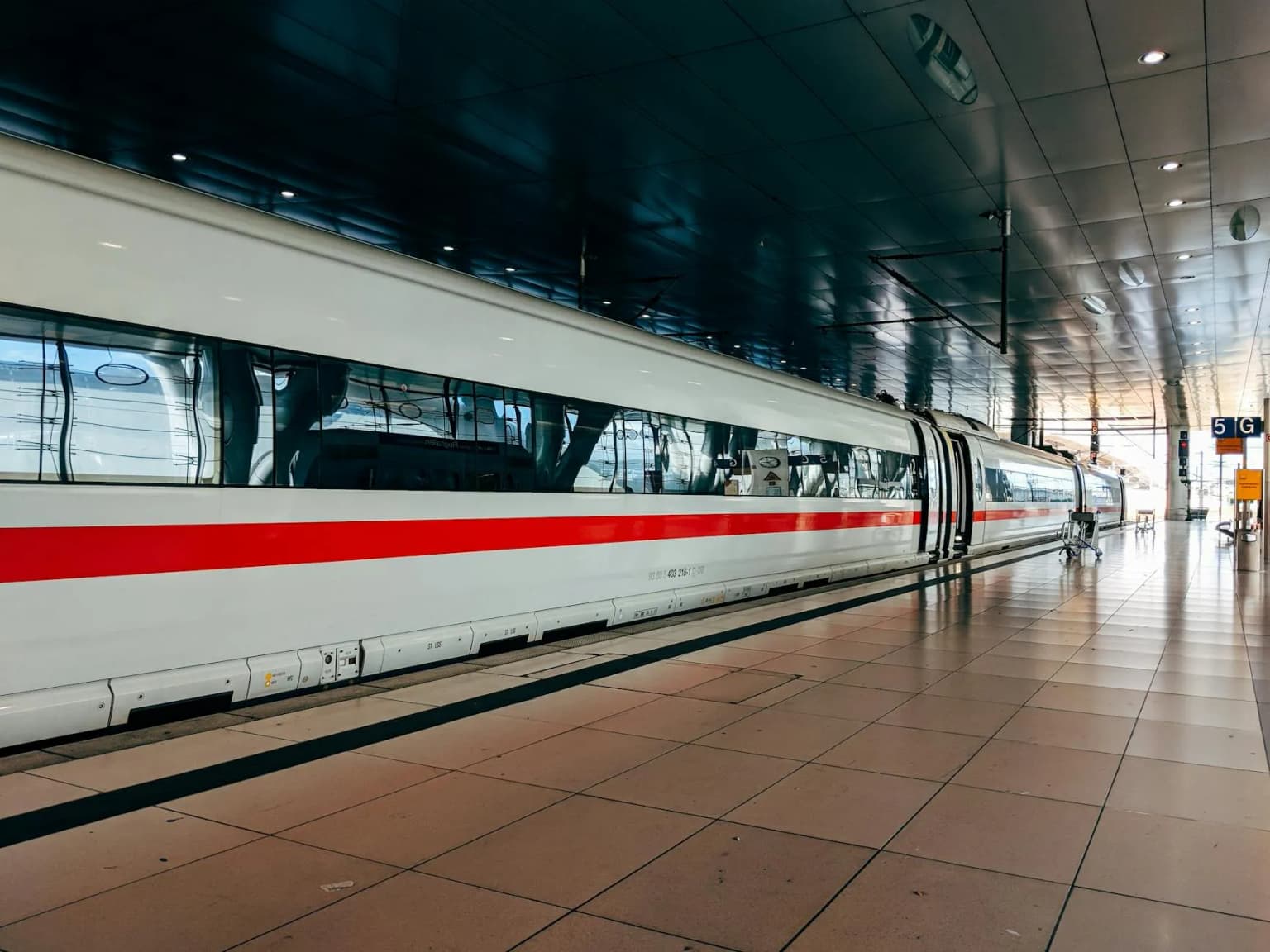
Saudi Arabia's cosmopolitan Red Sea gateway features the historic Al-Balad district (a UNESCO World Heritage Site), the Jeddah Corniche, floating mosque, and excellent seafood dining. Easily reached by the Haramain High-Speed Railway in just 30 minutes.

A scenic mountain area between Mecca and Taif featuring winding roads with breathtaking views, the Al Hada cable car, a wildlife park, and cooler temperatures. The famous "Stairway Road" (Taif-Mecca highway) is an engineering marvel with dramatic switchbacks.
Praying at Masjid al-Haram and performing Tawaf around the Kaaba, available 24 hours a day, 7 days a week.
Drinking Zamzam water, freely distributed within the Grand Mosque and at dispensers throughout the Haram area.
Walking the pedestrian pathways, tunnels, and plazas around the Grand Mosque, which are architecturally impressive and always bustling with life.
Watching the extraordinarily diverse pilgrim crowds from every corner of the world gather in worship.
Climbing Jabal al-Nour to visit the Cave of Hira with panoramic views of the city.
Visiting Jannat al-Mualla Cemetery to pay respects at one of Islam's most historic burial grounds.
Masjid al-Haram covers 356,800 square meters and can accommodate up to four million worshippers during Hajj, making it the largest mosque in the world.
The Kaaba has been rebuilt several times throughout history and stands 13.1 meters high. Its black silk covering (Kiswa) is replaced annually.
The Zamzam Well, located within the Masjid al-Haram complex, has been flowing continuously for over 4,000 years according to Islamic tradition.
During the Hajj pilgrimage, Mecca's population swells from 2.4 million to over 4 million, creating one of the largest annual human gatherings on Earth.
The Abraj Al-Bait clock face is 43 meters in diameter, making it the largest clock face in the world, visible from up to 25 kilometers away.
Every Muslim who is physically and financially able is obligated to perform the Hajj pilgrimage at least once in their lifetime, one of the Five Pillars of Islam.
Popular souvenirs from Mecca include: Zamzam water - blessed water from the ancient well within the Haram, bottled for travelers to bring home., Prayer mats (Sajjadah) - beautifully woven mats in various designs, a practical and meaningful keepsake., Prayer beads (Misbaha) - handcrafted counting beads used for dhikr (remembrance of God), available in wood, stone, and semi-precious materials., Religious books - copies of the Quran, Hadith collections, and Islamic literature in many languages., Oud and perfumes - traditional Arabian fragrances and incense, a hallmark of Saudi culture., Misk (musk) - a classic Arabian fragrance prized across the Muslim world, available in oil and solid forms., Dates - premium Saudi dates such as Ajwa and Sukkari, beautifully packaged for gifting., Abraj Al-Bait shops - the Clock Tower complex houses international and local brands for shopping between prayers..
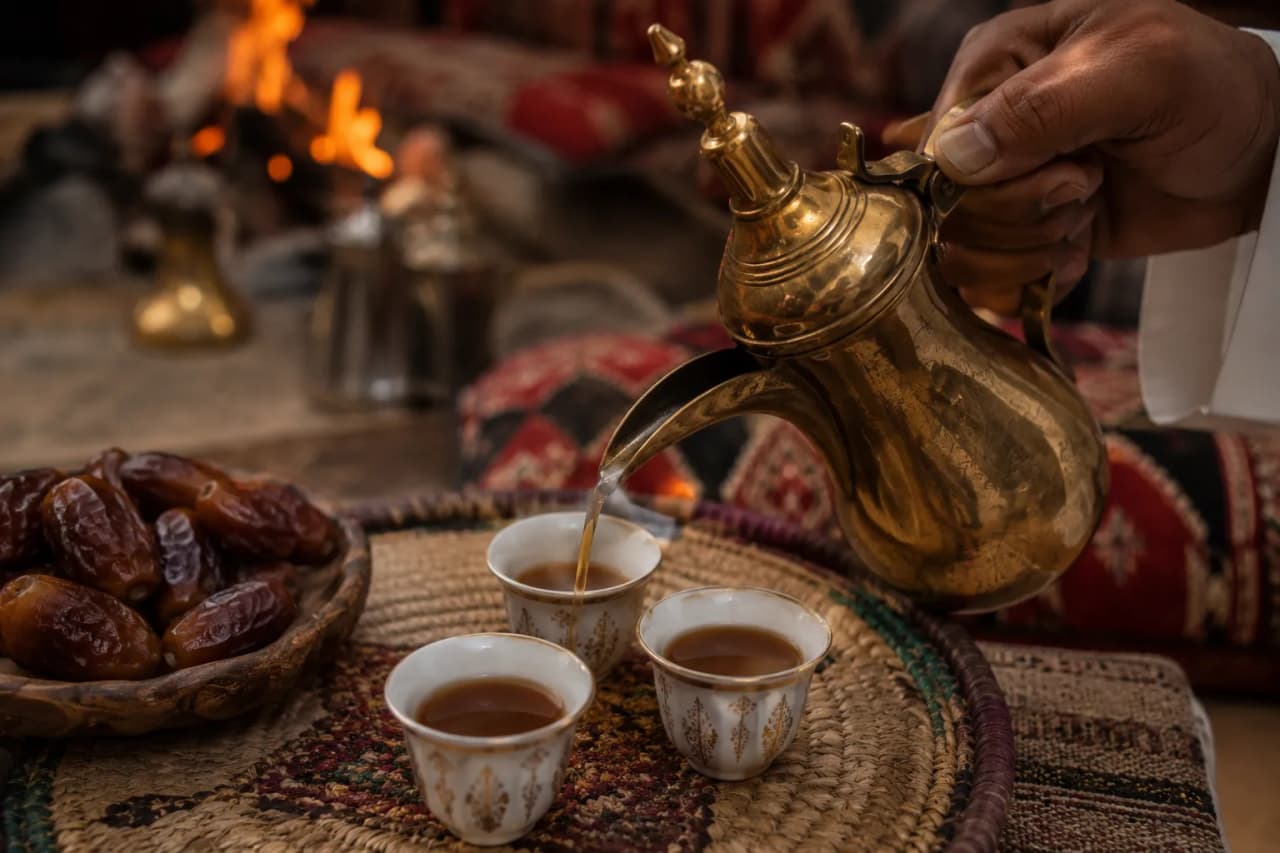
Saudi Arabian culture emphasizes hospitality, respect, and traditional values. Greet people with "As-salamu alaykum" (Peace be upon you) and accept the response "Wa alaykum as-salam." When offered Arabic coffee (qahwa) and dates, it is customary to accept at least one cup. Shake the cup gently when you have had enough.
As a holy city, Mecca requires particular respect for Islamic customs. Dress modestly, maintain a respectful demeanor, and be mindful of prayer times. Photography restrictions apply in and around the sacred mosques.
Mecca's culture is inseparable from Islam. Daily life revolves around the five daily prayers, and the call to prayer from the Grand Mosque sets the rhythm of the city. The culture is deeply spiritual, with traditions of hospitality toward pilgrims dating back centuries. Local Hejazi cuisine, traditional markets (souqs), and Islamic scholarship define the cultural landscape.
Dress modestly in public, especially when visiting mosques and traditional areas. Women are no longer required to wear an abaya but should dress conservatively. During Ramadan, eating, drinking, and smoking in public during daylight hours should be avoided out of respect. Friday is the main day of worship, and many businesses close during Friday prayer.
Staying connected in Mecca is easy. Saudi Arabia has excellent 4G and 5G coverage throughout the Kingdom. Free WiFi is available in most hotels, malls, and many restaurants. For mobile data, consider getting a local SIM card from STC, Mobily, or Zain at the airport or any mobile shop - prepaid plans with generous data allowances are affordable. Alternatively, use an eSIM from providers like Airalo or Holafly for seamless connectivity.
The official language is Arabic, but English is widely spoken in hotels, restaurants, malls, and tourist areas. Most signage is in both Arabic and English. Useful Arabic phrases: "Shukran" (Thank you), "Min fadlak" (Please), "La" (No), "Na'am" (Yes). Google Translate works well for Arabic. For emergencies, dial 911 for police, 997 for fire, 998 for ambulance, or 999 for traffic police.
Many visitors fall in love with Mecca and decide to make it their home. If you are considering the move, here are the essential resources.
Cost of living, neighborhoods, job market, and expat community guide for Mecca.
Step-by-step guide to renting in Saudi Arabia - where to search, what to expect, and how to avoid scams.
Compare Saudi banks, required documents, and how to open an account as a foreigner.
With its rich heritage, stunning landscapes, and warm hospitality, Mecca offers an unforgettable Saudi experience.
Discover more amazing destinations across Saudi Arabia. Each city offers unique experiences, rich heritage, and unforgettable attractions.
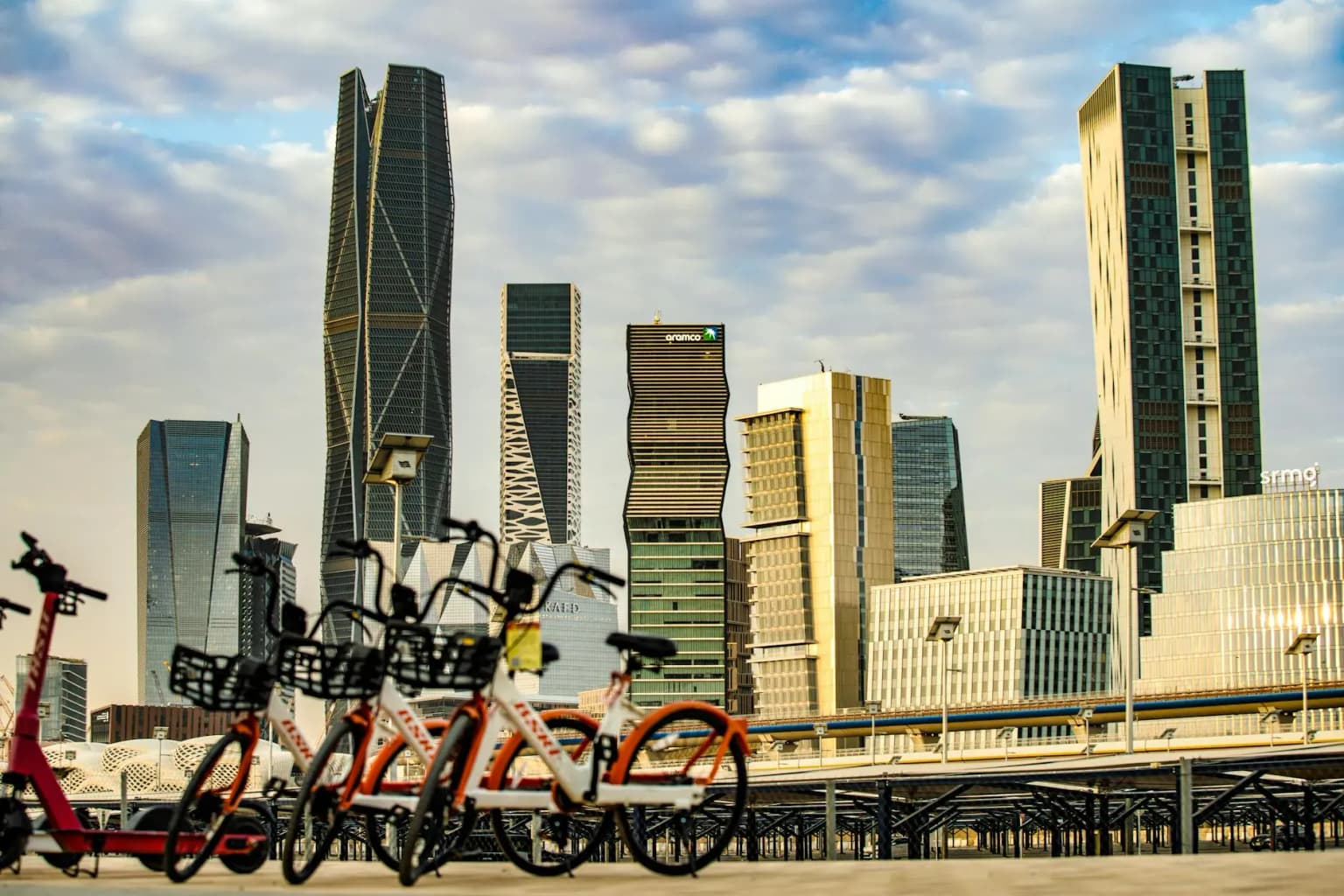
Diriyah (At-Turaif District) · Kingdom Centre Tower · National Museum of Saudi Arabia
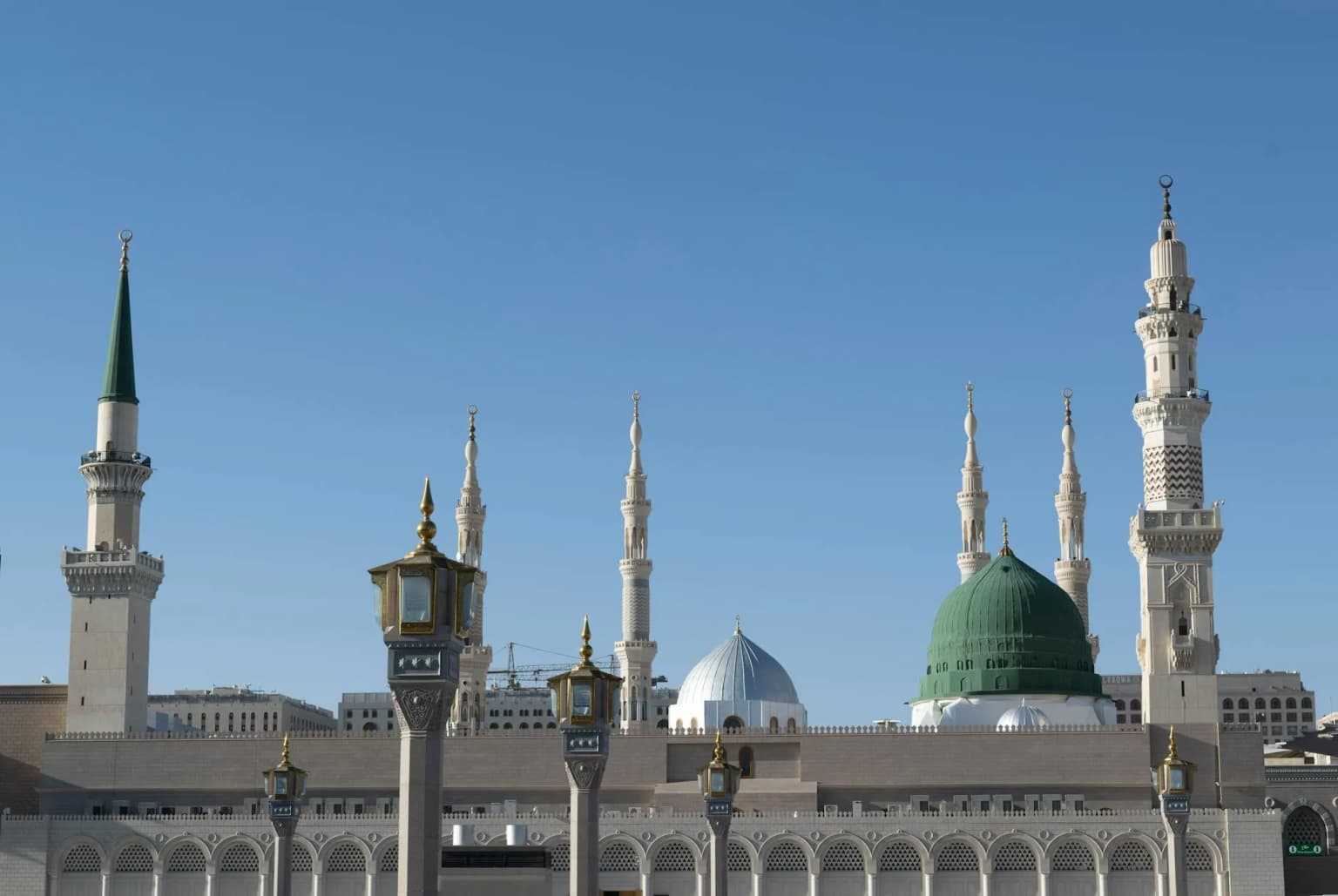
Al-Masjid an-Nabawi (Prophet's Mosque) · Quba Mosque · Mount Uhud
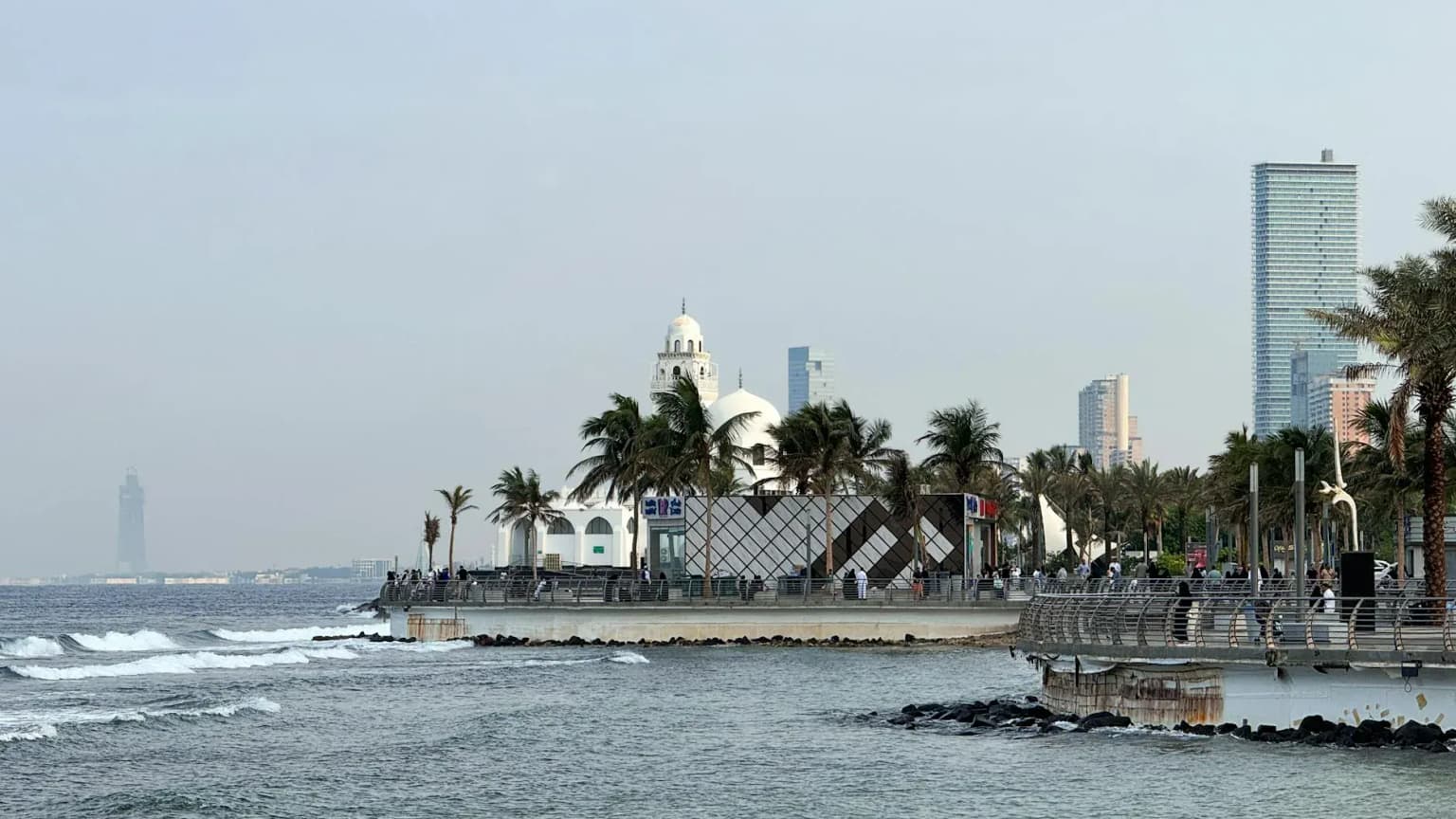
Al-Balad Historic District · King Fahd Fountain · Jeddah Corniche
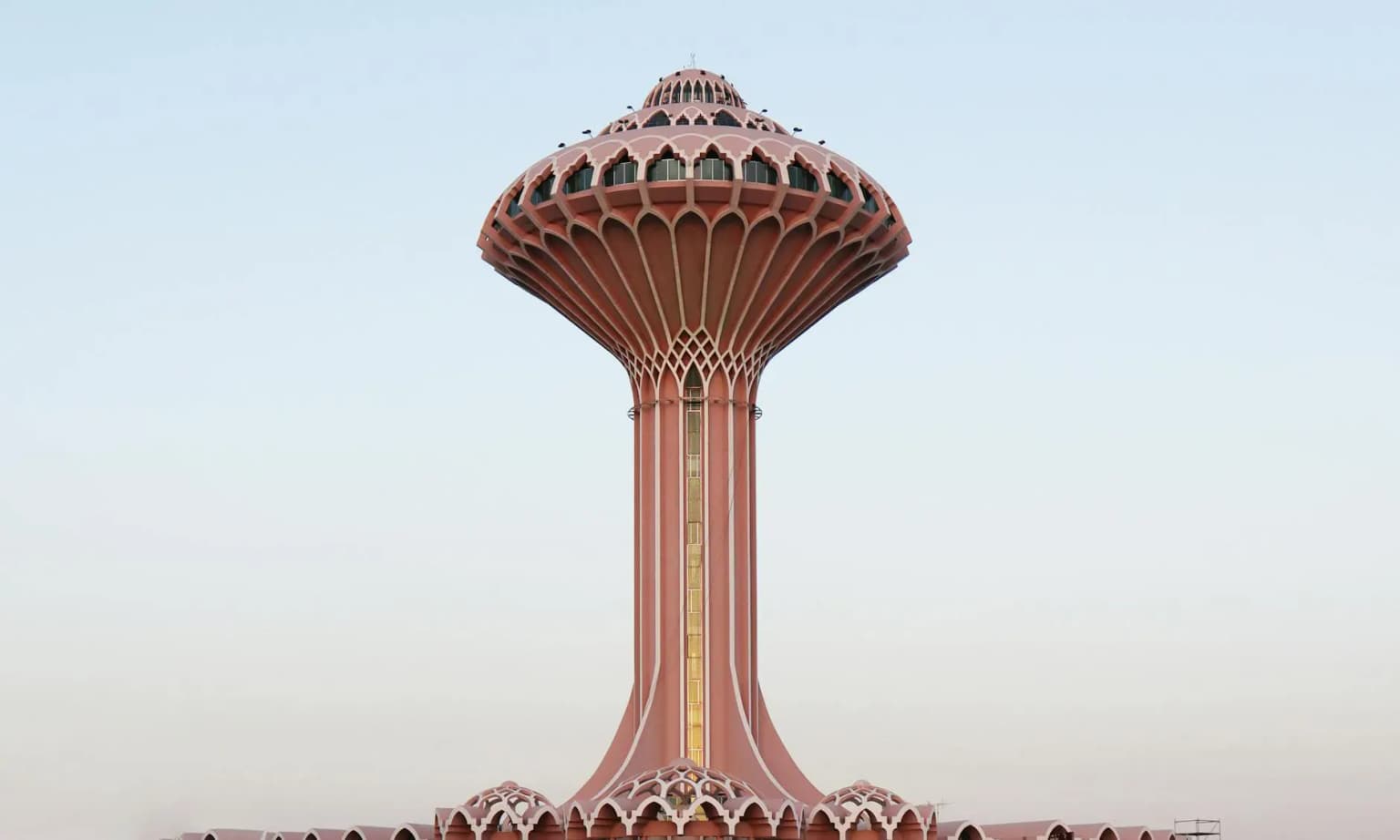
Dammam Corniche · King Abdulaziz Center for World Culture (Ithra) · Half Moon Bay
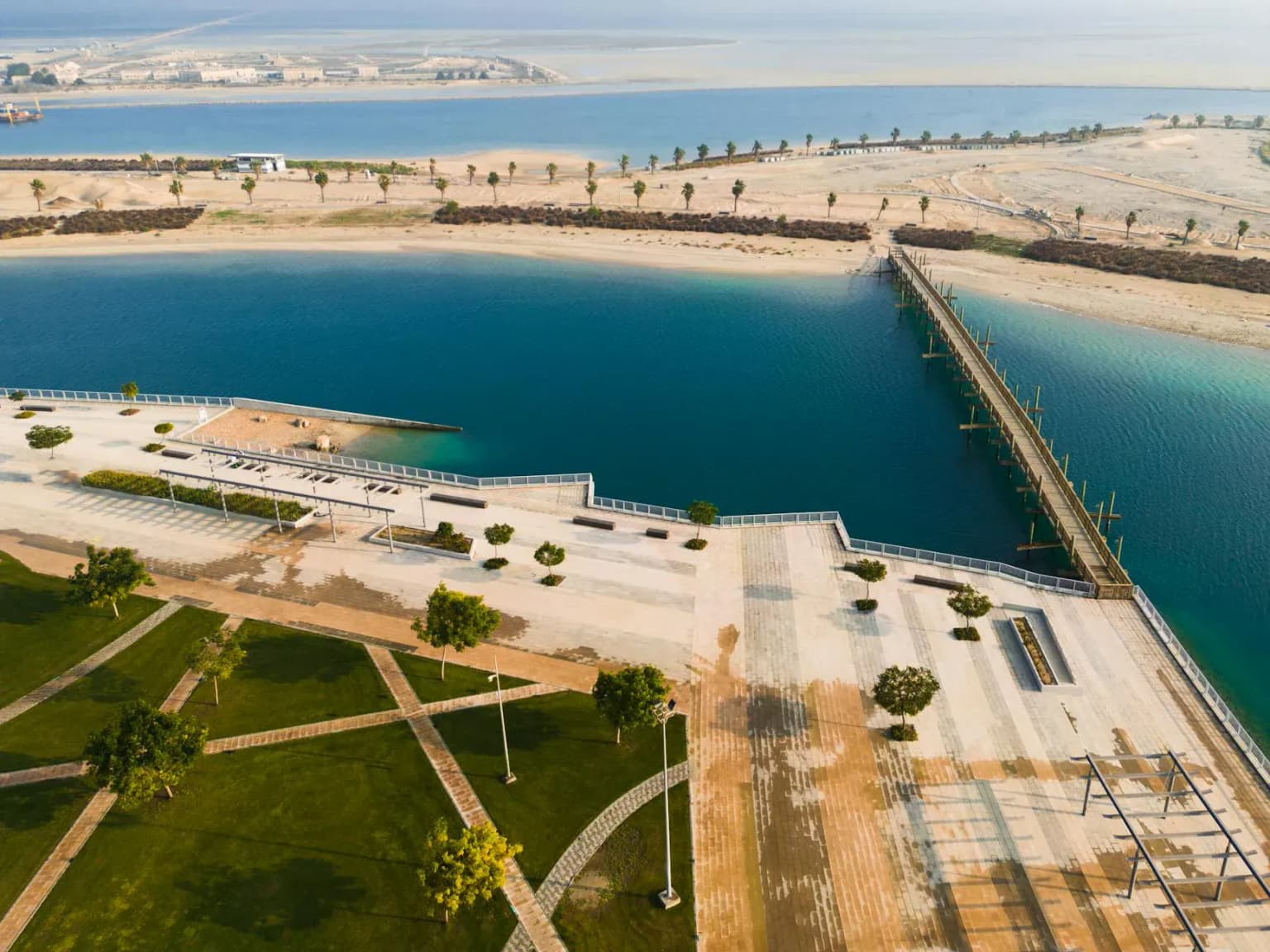
Khobar Corniche · King Fahd Causeway · Sunset Beach
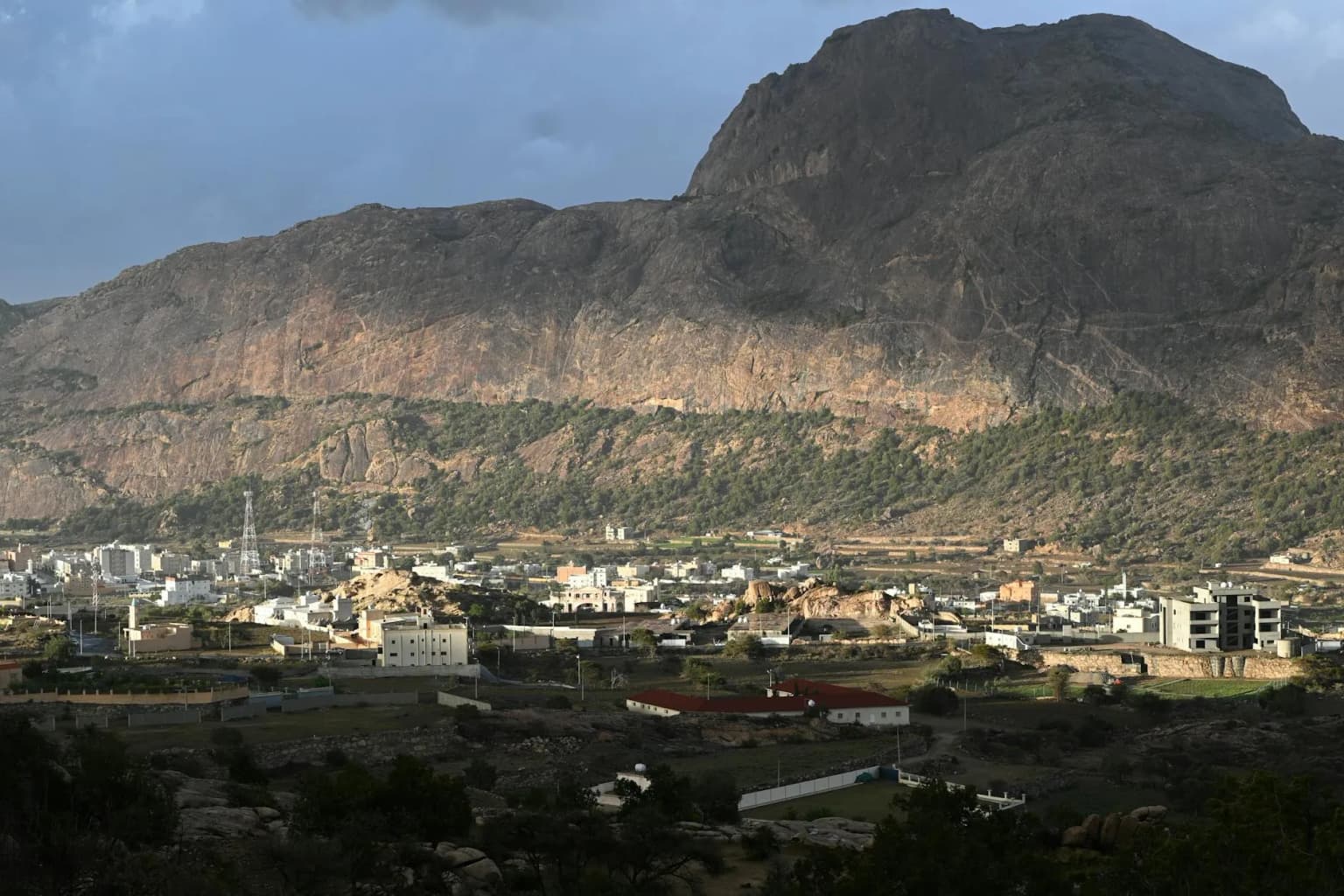
Asir National Park · Green Mountain (Jabal Akhdar) · Habala Village
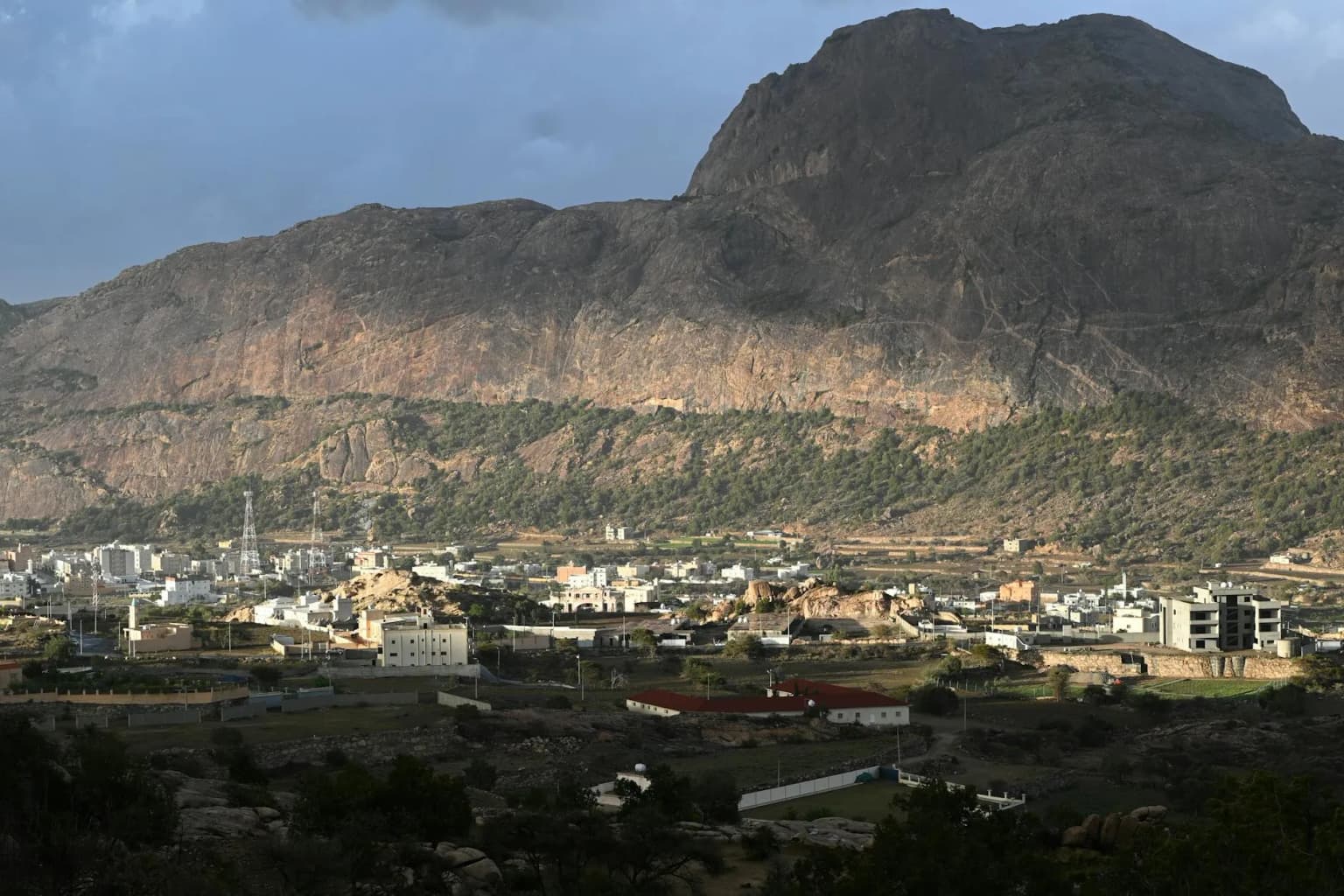
Taif Rose Farms · Al Shafa Mountain · Al Hada Mountains
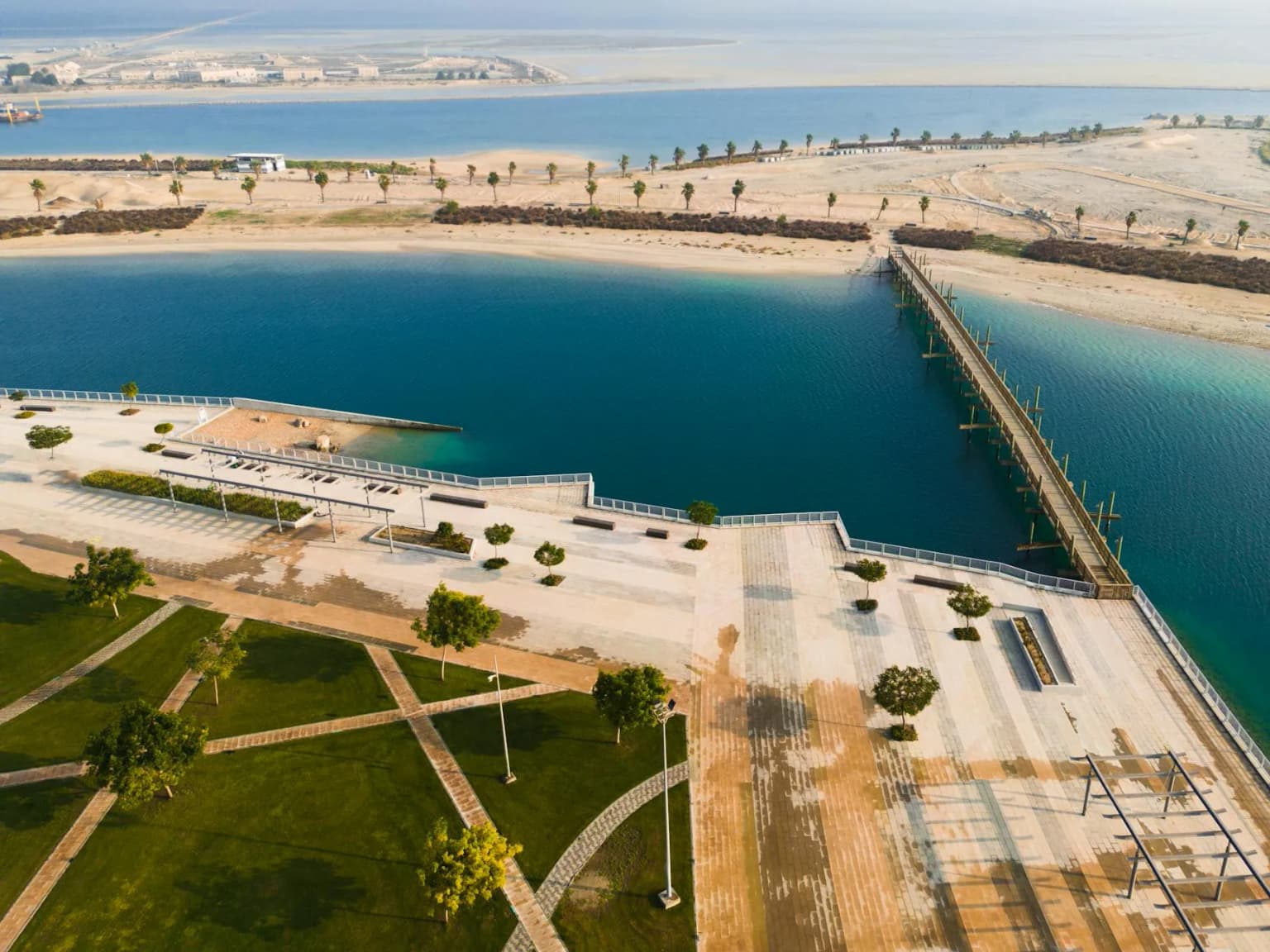
Fanateer Beach · Jubail Mangrove Park · Royal Commission Parks