Loading city information...
Join our Facebook Group: Join: Expats in Saudi Arabia
Loading city information...
Discover Jubail, Saudi Arabia's industrial city on the Arabian Gulf with beautiful beaches and marine life.
Jubail, one of Saudi Arabia's major industrial cities on the Arabian Gulf coast, surprises visitors with its well-planned Royal Commission district, pristine beaches, and unique mangrove ecosystems. The Jubail Royal Commission area is a model of urban planning with wide boulevards, parks, and recreational facilities.
Whether you are interested in history, culture, architecture, or simply experiencing authentic Saudi life, Jubail offers something for every type of traveler.
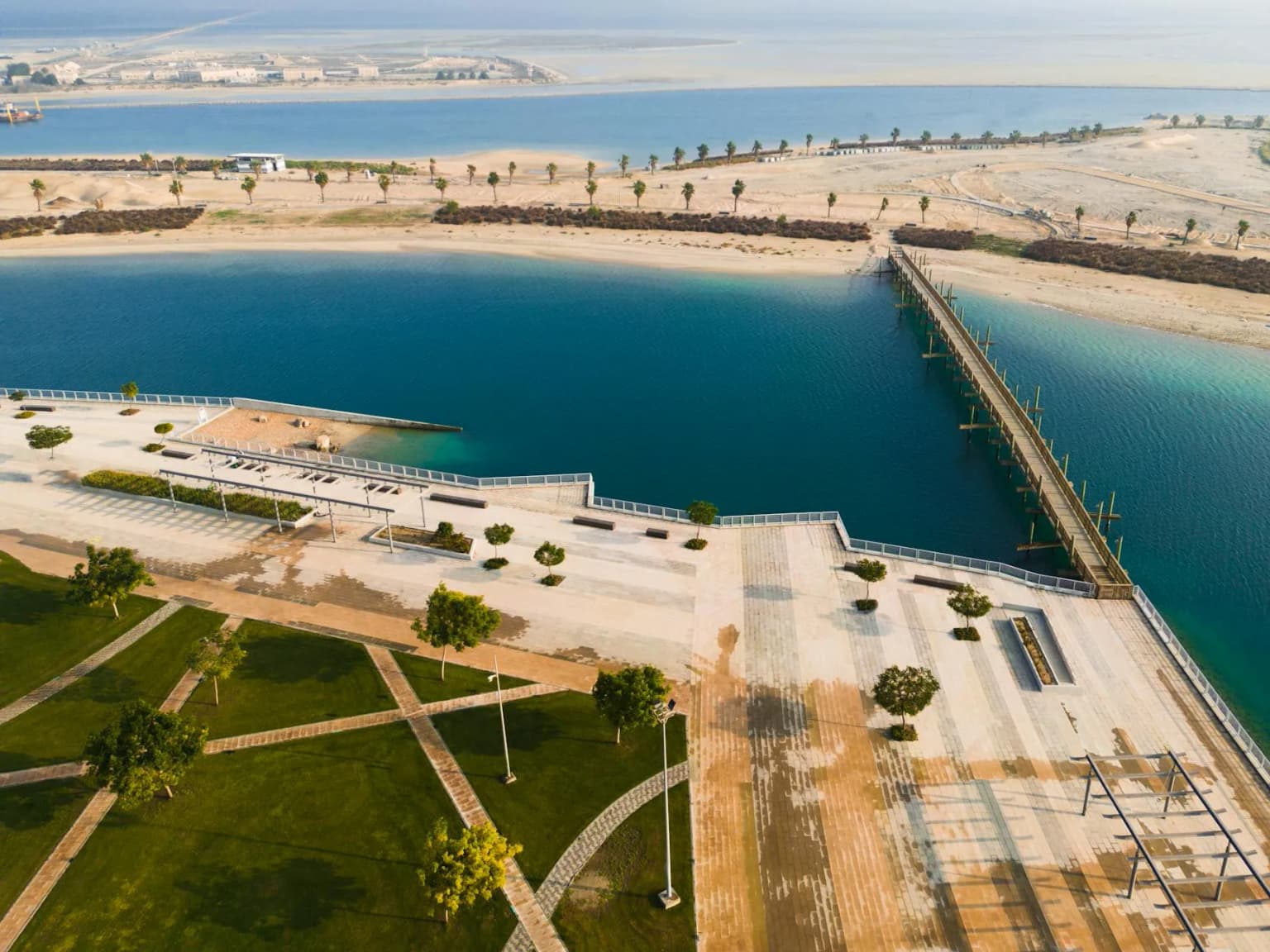
Jubail's most popular family beach, Fanateer Beach stretches along the Arabian Gulf with clear turquoise waters and soft sandy shores. The beach is well-maintained with shaded areas, picnic spots, and play zones for children. Locals flock here on weekends for barbecues and swimming, and the calm, shallow waters make it ideal for families. Sunsets over the Gulf from Fanateer are particularly stunning.
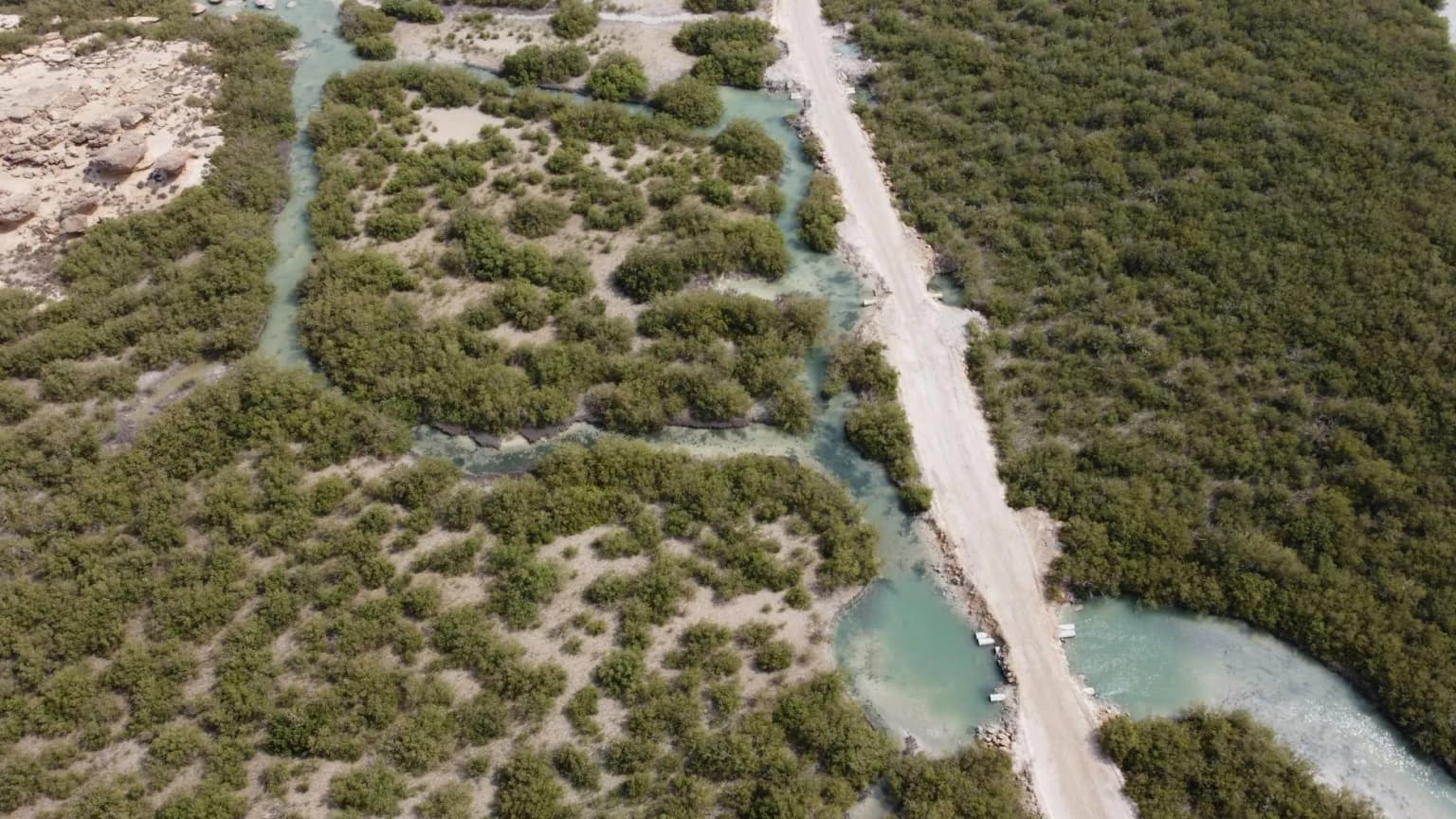
Home to one of the northernmost mangrove forests on Earth, Jubail Mangrove Park is a remarkable ecological treasure. Raised boardwalks wind through the dense mangrove trees, offering close encounters with the unique ecosystem. The park is a haven for birdwatchers, with flamingos, herons, and other wading birds regularly spotted feeding in the shallow tidal waters. The peaceful setting feels worlds away from the industrial city nearby.
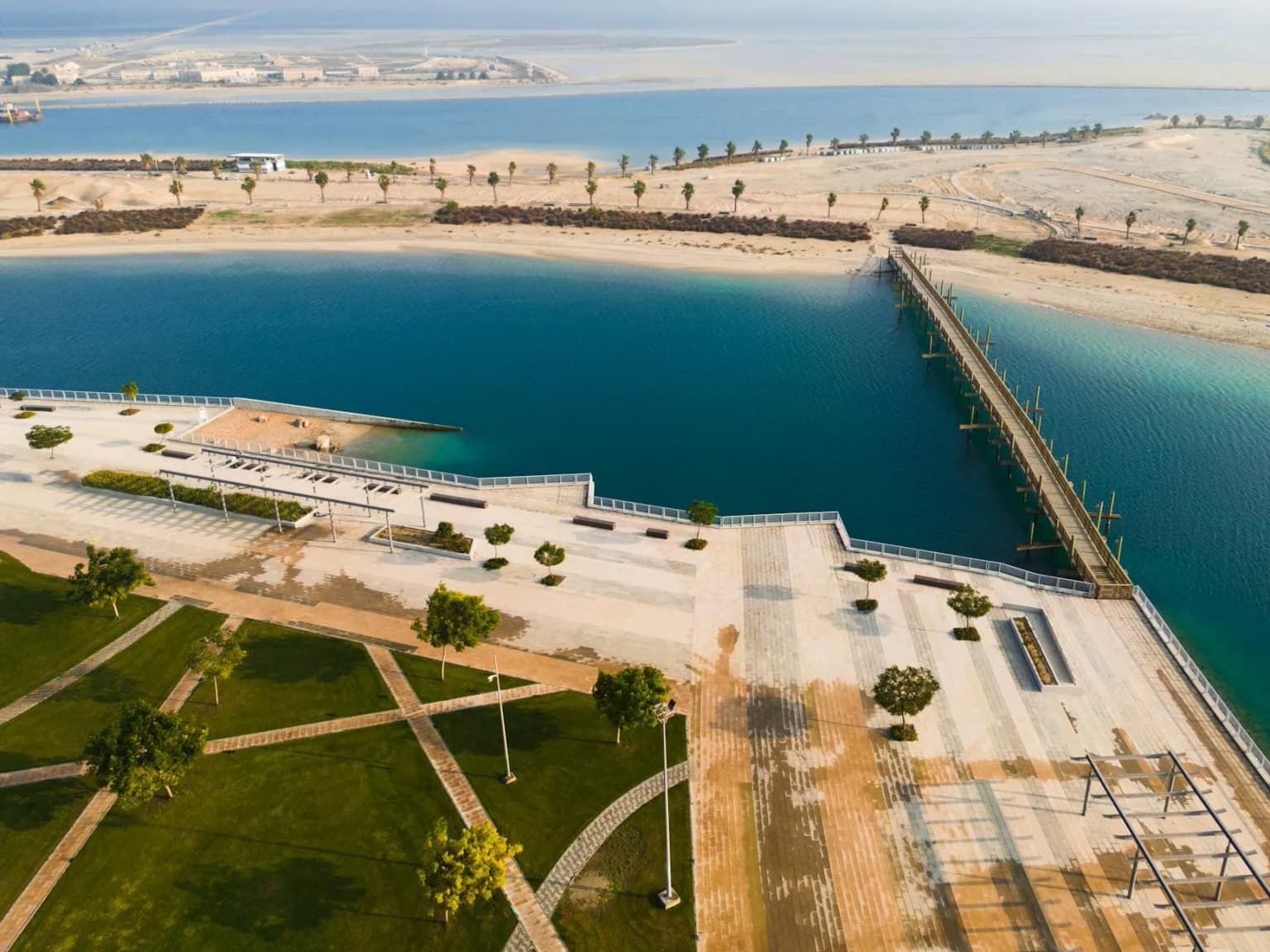
The Jubail Royal Commission area features beautifully landscaped parks with man-made lakes, tropical gardens, fountains, and shaded walking paths. These green spaces are meticulously maintained and offer a lush contrast to the surrounding desert landscape. Families gather here in the evenings for picnics, jogging, and cycling, making it the social heart of the Royal Commission district.
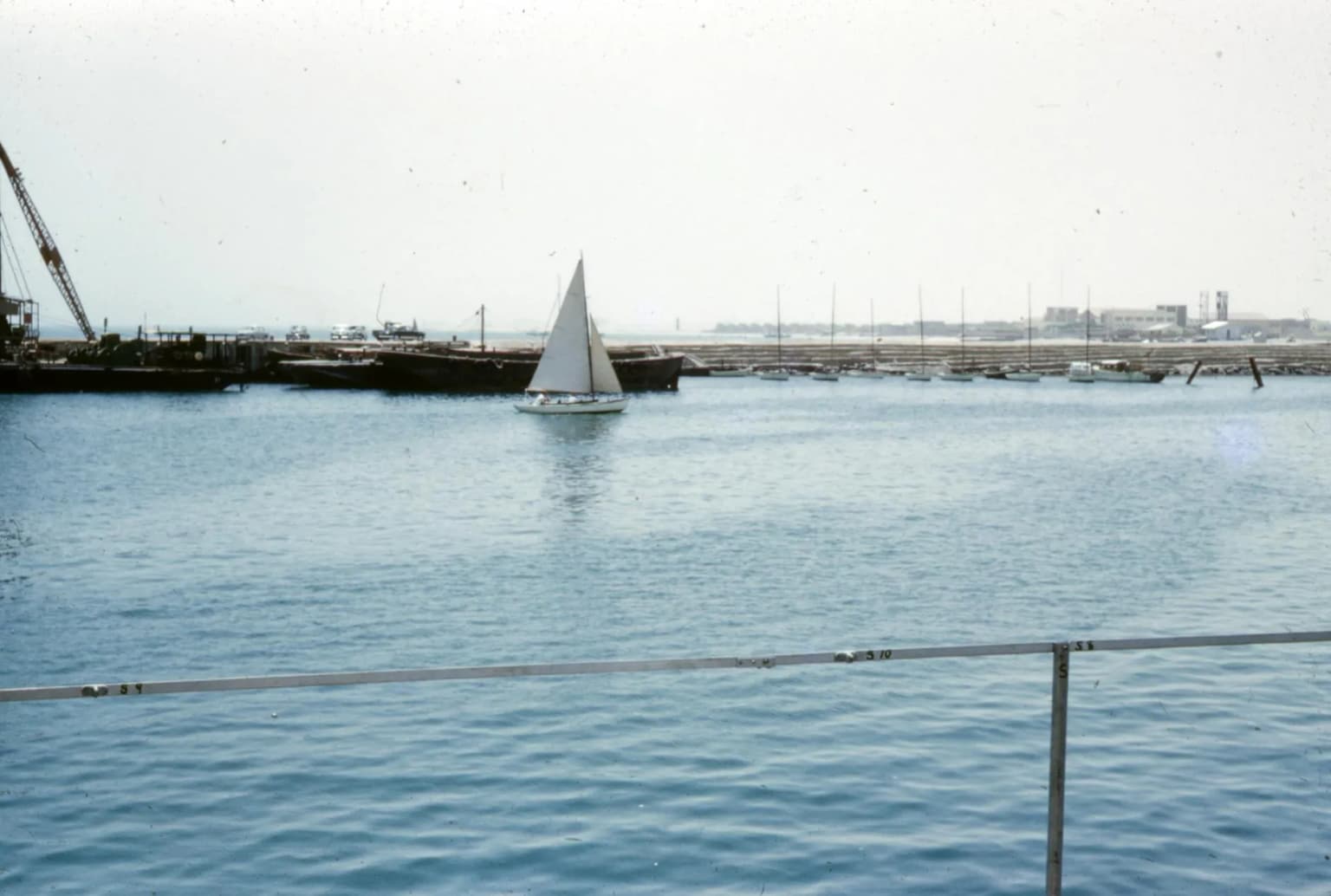
The Jubail Marina is the launching point for boat trips, fishing excursions, and diving adventures in the Arabian Gulf. Charter a boat for deep-sea fishing, join a dive trip to explore the Gulf's marine life, or simply enjoy water sports in the calm coastal waters. The marina area also offers a pleasant waterfront walk with views of moored boats and the open sea.
Click on a numbered marker to see the attraction name. Numbers correspond to the attraction order below.
Discover and book guided tours, skip-the-line tickets, and unique experiences in Jubail.
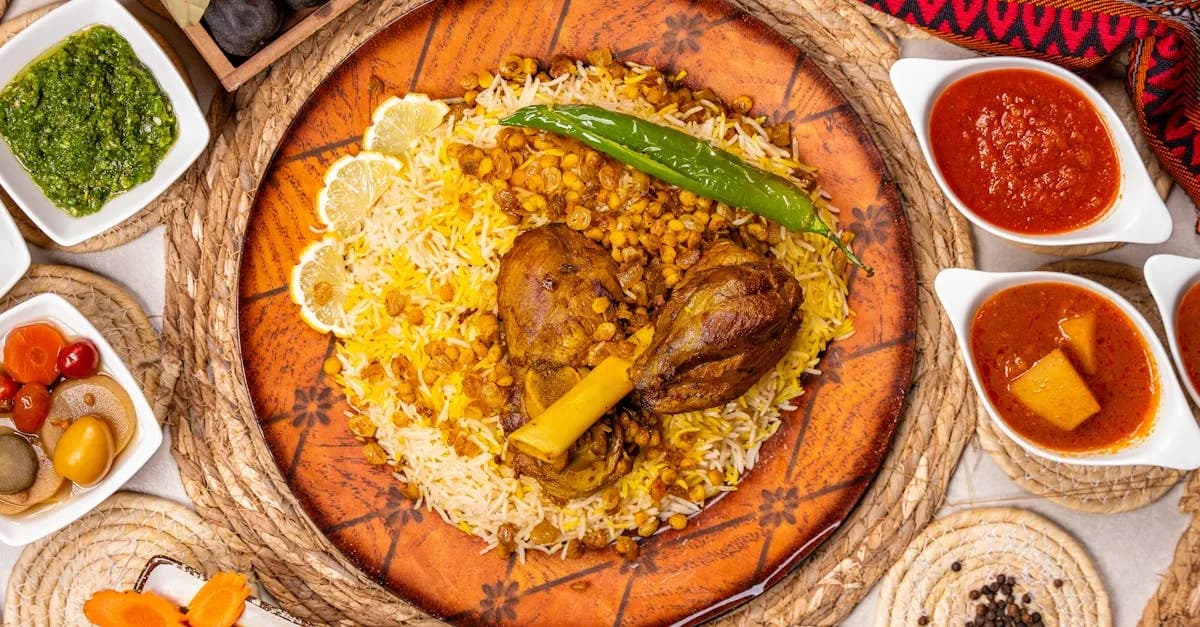
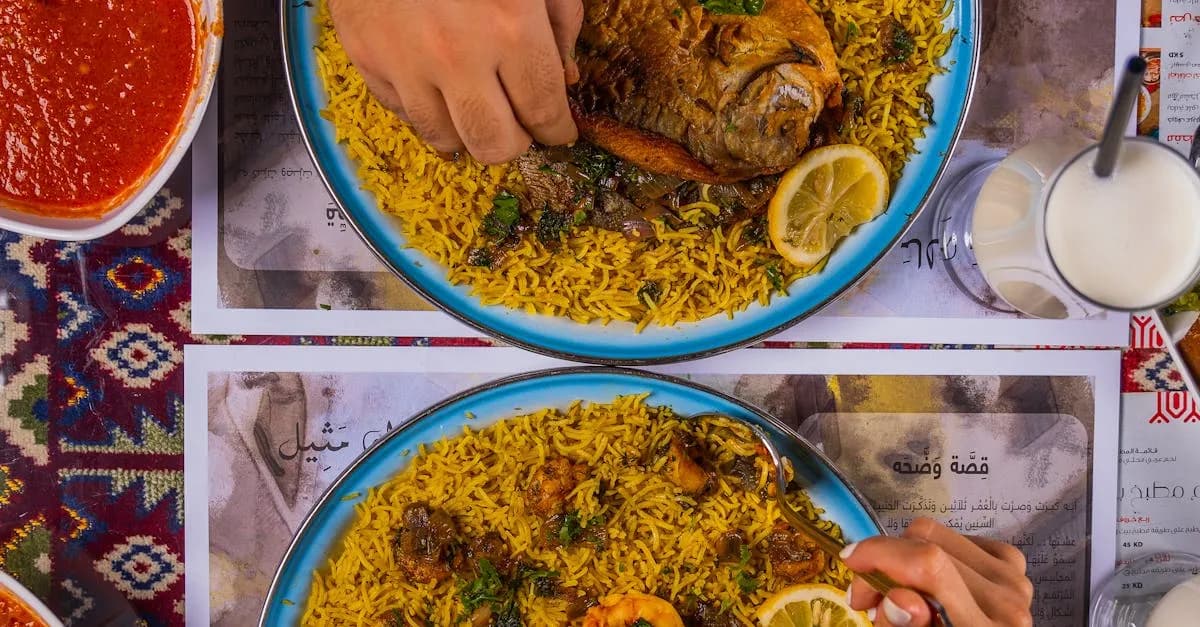
Jubail's food scene revolves around fresh Gulf seafood, with fish and shrimp taking center stage. The city's fishing boats bring in daily catches of hamour, zubaidi, and shrimp that end up on dinner plates within hours. Dining options are mainly casual - this is not a fine-dining destination, but the freshness of the seafood more than compensates. The Royal Commission area offers the most variety with international restaurants catering to the large expatriate workforce. Expect to spend 25-60 SAR per meal.
Grilled Hamour (Grouper) Fresh Arabian Gulf grouper grilled over charcoal with simple spices. Jubail's proximity to fishing grounds means the hamour here is as fresh as it gets. Served with rice and a tomato-based sauce. A plate typically costs 40-70 SAR.
Machboos Rubyan (Shrimp Rice) Fragrant spiced rice cooked with Gulf shrimp, dried lime, and bezar spice blend. Shrimp is a Jubail specialty, with boats bringing in fresh catches daily from the Gulf. A plate typically costs 30-50 SAR.
Fried Shrimp Jubail's Gulf shrimp, battered and deep-fried until golden and crispy. Served with garlic sauce and fresh bread. A simple dish that showcases the quality of the local catch. A plate typically costs 25-45 SAR.
Sayadieh A traditional fisherman's dish of spiced rice topped with fried fish, caramelized onions, and a tangy tahini sauce. A hearty meal that reflects Jubail's fishing heritage. A plate typically costs 30-55 SAR.
Fanateer Seafood Restaurants (Fanateer Beach area) A cluster of casual seafood restaurants near Fanateer Beach serving the freshest Gulf fish and shrimp. Pick your fish and have it grilled, fried, or spiced to order. The atmosphere is relaxed and the prices are fair. Expect to pay around 40-80 SAR per person.
Royal Commission International Restaurants (Royal Commission district) The Royal Commission district hosts a range of international dining options including Indian, Filipino, Chinese, and Arabic cuisines. Quality is consistent and prices are moderate, catering to the diverse expatriate community. Expect to pay around 30-70 SAR per person.
Al Baik (Multiple locations) Saudi Arabia's beloved fried chicken chain with cult following. The shrimp meals and garlic sauce are legendary. A reliable, affordable option available in Jubail. Expect to pay around Under 20 SAR.
Jubail Fish Market Grills (Jubail fish market) Small grill stalls adjacent to the local fish market where you can buy fresh catch and have it cooked on the spot. No frills, just the freshest seafood in town at market prices. Expect to pay around 25-60 SAR per person.
Fresh seafood is the highlight here - always ask what was caught today for the best experience.
The Royal Commission area has the widest variety of restaurants. Outside this area, options are more limited.
Restaurants close briefly during the five daily prayer times, usually for 20-30 minutes.
Most restaurants accept card payments (mada, Visa, Mastercard, Apple Pay). Tipping 10% is appreciated but not mandatory.
Thursday and Friday evenings are the busiest times at popular restaurants. Go early to avoid waits.
There is no alcohol anywhere in Saudi Arabia.
Major supermarket chains in the Royal Commission area include Tamimi Markets, Panda, and Danube. The expatriate community means imported products are generally available. Fresh fish can be purchased directly from fishermen at the local market. Monthly grocery costs for one person run about 700-1,200 SAR.
Choosing the right area can make or break your trip. Here is a quick guide to Jubail's neighborhoods to help you pick the best base for your visit.
Click on an area for details. Zones are approximate.
| Neighborhood | Price Level | Why Stay Here |
|---|---|---|
| Jubail Industrial City (Royal Commission area) | Medium | Well-planned residential zones within the Royal Commission area with parks, schools, and community centers. |
| Al Fanateer | Medium-High | Waterfront area with a corniche, beach access, restaurants, and higher-end housing. |
| Old Jubail (Al Jubail town) | Low | The original fishing town with traditional character, affordable housing, and the old port area. |
| Al Deffi | Medium | Residential area with a mix of apartments and villas, close to commercial facilities. |
Hotel prices correlate with neighborhood rent levels. For longer stays, consider renting an apartment for better value. Planning to relocate? See our full Jubail living guide.
Jubail's Royal Commission district is one of the best-planned urban areas in Saudi Arabia, with wide, well-maintained roads, clear signage in Arabic and English, and logical grid-pattern streets. However, a car is essential for getting around as the city is spread out and public transport is minimal.
Car rental (100-150 SAR per day for a basic sedan, fuel ~2.3 SAR/liter) The most practical way to explore Jubail and its surroundings. The Royal Commission area is easy to navigate with well-signposted roads. Major rental companies have offices in the city.
Ride-hailing (Uber & Careem) (10-25 SAR for trips within the city) Both apps are available in Jubail but have fewer drivers than in Dammam or Khobar. Wait times can be longer, especially outside the Royal Commission area and during off-peak hours.
Taxis (15-40 SAR for most trips) Traditional taxis are available but scarce. Ride-hailing apps are more reliable. Always agree on the fare before getting in if you do use a taxi.
Walking & Cycling (Free) The Royal Commission district has good pedestrian paths and some cycling infrastructure. Walking is pleasant in the cooler months along the Corniche and through the parks, but not practical for longer distances or during summer.
Jubail does not have its own commercial airport. The nearest major airport is King Fahd International Airport (DMM) in Dammam, approximately 62 miles (100 km) south (about 1 hour by car). Some visitors also use Jubail's small domestic airport for limited Saudi Airlines flights. A ride-hailing trip to Dammam airport costs 120-180 SAR.
Driving in the Royal Commission area is straightforward - streets are laid out in a grid pattern with clear numbering and bilingual signage. Outside the Royal Commission zone, roads to the industrial areas can be congested during shift changes (early morning and late afternoon). The highway between Jubail and Dammam is well-maintained but can be monotonous - stay alert on long straight stretches.
Useful apps: Careem, Uber, Google Maps, Waze, Almosafer.
Jubail's position on the northern Arabian Gulf coast provides easy access to the wider Eastern Province. The highway south leads to the bustling Dammam-Khobar metro area within an hour, while further afield the ancient Al Ahsa Oasis and historic Tarout Island offer fascinating cultural excursions.
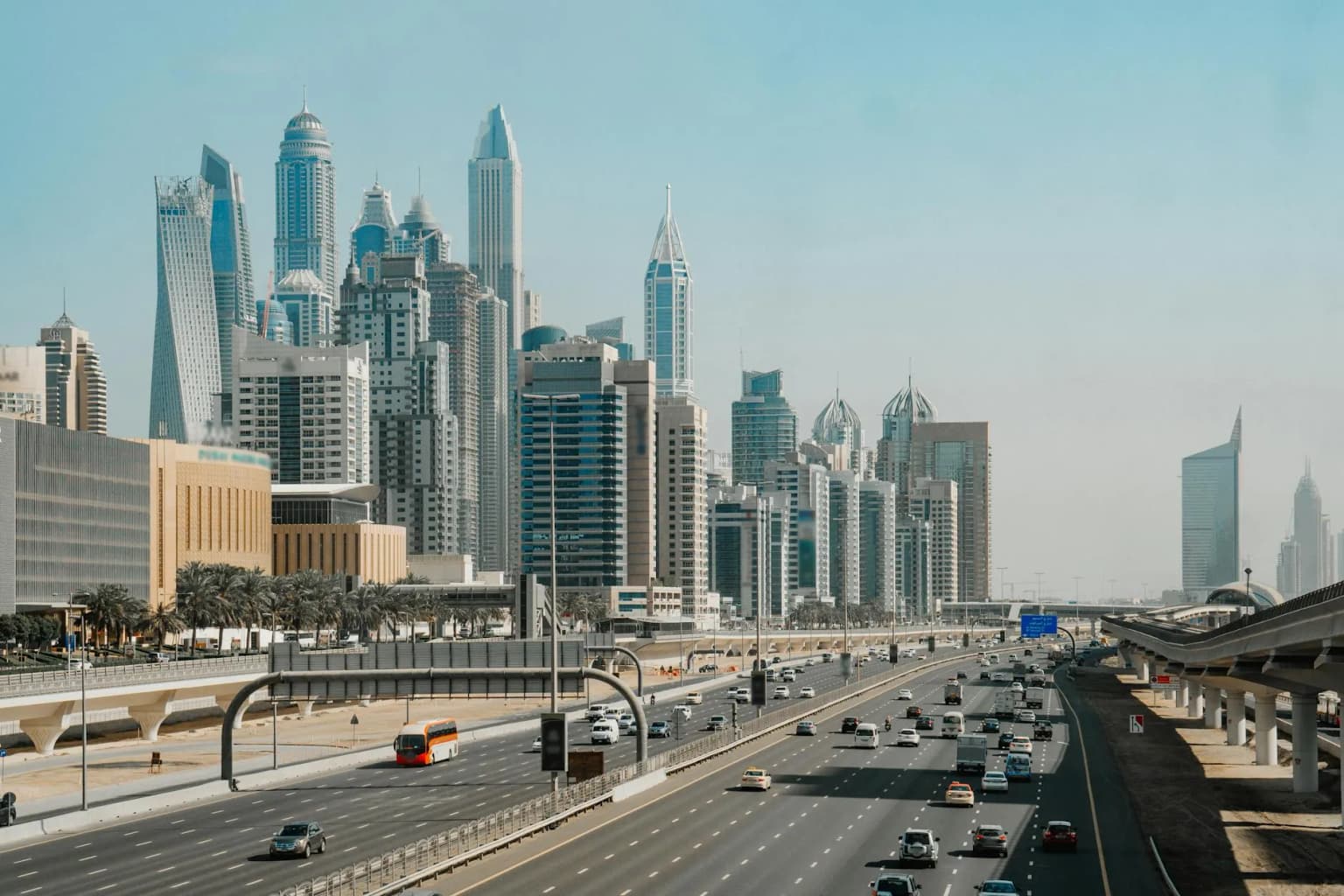
Head south to the Dammam-Khobar metropolitan area for a full day of exploration. Visit the King Abdulaziz Center for World Culture (Ithra) in Dhahran, stroll the Khobar Corniche, enjoy diverse dining options, and browse modern shopping malls. The Dammam Corniche and Heritage Village are also worth a visit.

One of the oldest continuously inhabited places on Earth, Tarout Island is connected to the mainland by a causeway near Qatif. Explore the ruins of the Portuguese-era Tarout Castle, wander through traditional fishing villages, and visit the charming old souq. The island's palm groves and quiet streets offer a glimpse into Eastern Arabia's ancient past.

A UNESCO World Heritage Site and the world's largest natural oasis, Al Ahsa boasts over 2.5 million date palms, natural springs, and historic architecture. Visit the impressive Qasr Ibrahim fort, explore the old town of Al Hofuf, and sample the famous Khalas dates at the bustling date market.
Fanateer Beach offers free access to sandy shores and clear Gulf waters, perfect for swimming and picnics.
Jubail Mangrove Park boardwalks are free to explore, with excellent birdwatching opportunities including flamingos.
The Royal Commission parks feature landscaped gardens, lakes, and walking paths - all open to the public at no charge.
The Jubail Corniche provides a scenic free walk along the Gulf coast with views of the sea and industrial skyline.
Watching the sunset over the Arabian Gulf from any of Jubail's coastal spots is one of the best free experiences in the Eastern Province.
Jubail Industrial City is one of the largest civil engineering projects in modern history, built from scratch starting in the 1970s as part of Saudi Arabia's industrialization drive.
The mangrove park in Jubail contains one of the northernmost mangrove forests on Earth, thriving despite the extreme temperatures of the Arabian Gulf coast.
The Jubail Royal Commission area is essentially a model planned city within a city, with its own infrastructure, housing, schools, and recreational facilities built to international standards.
Jubail's desalination plant is one of the largest in the world, producing hundreds of millions of gallons of drinking water daily for the Eastern Province.
The waters off Jubail are home to dugongs (sea cows), one of the rarest marine mammals in the world, as well as sea turtles and dolphins.
Popular souvenirs from Jubail include: Fresh seafood to take home, especially Gulf shrimp and dried fish from the local market - a tasty memento of Jubail's fishing traditions., Premium Saudi dates, particularly Khalas and Sukkari varieties from nearby Al Ahsa and Qatif oases. Available boxed and gift-ready at supermarkets., Local handicrafts from the nearby Qatif area, including traditional pottery, woven baskets, and palm frond crafts that reflect the Eastern Province's artisan heritage., Arabic coffee (qahwa) sets with traditional finjan cups and a dallah pot - a classic Saudi gift found in Jubail's small souqs and shops..
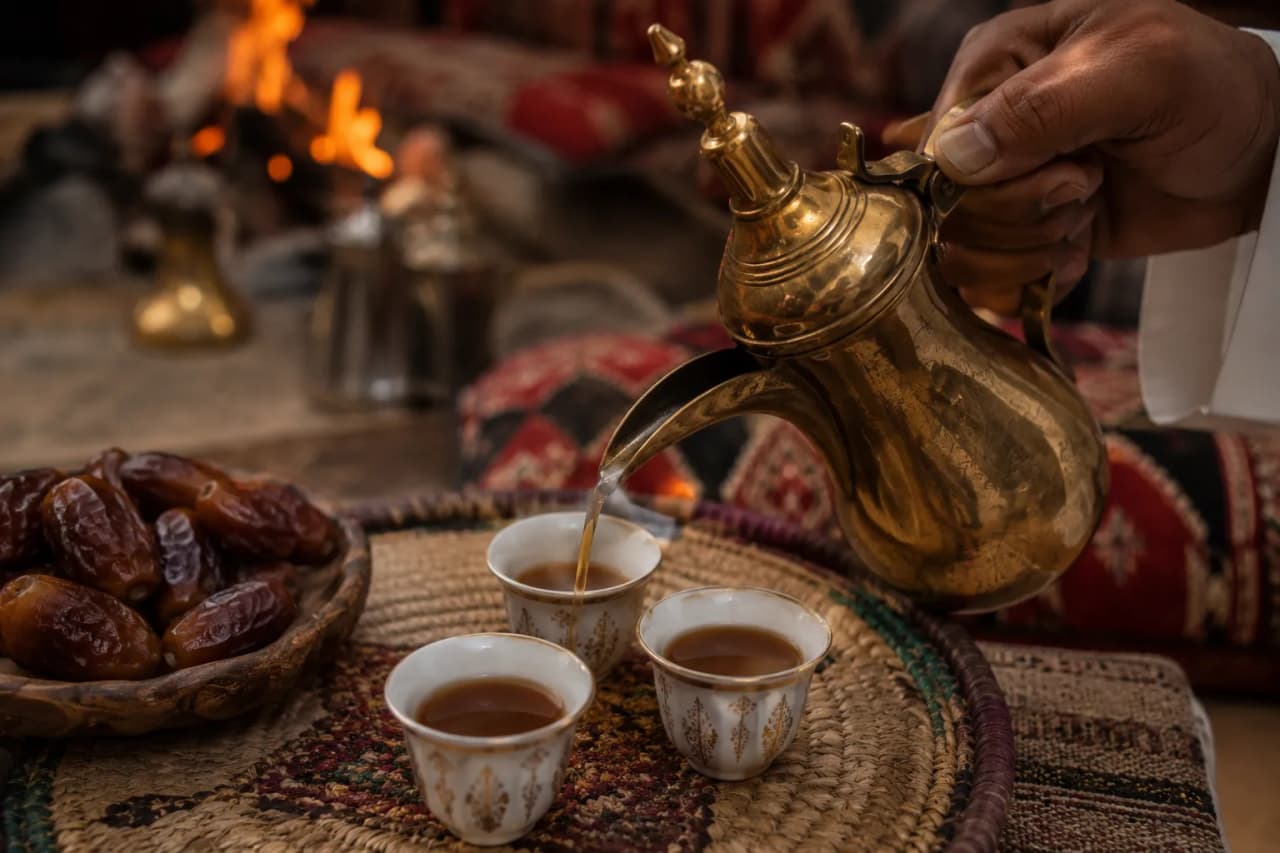
Saudi Arabian culture emphasizes hospitality, respect, and traditional values. Greet people with "As-salamu alaykum" (Peace be upon you) and accept the response "Wa alaykum as-salam." When offered Arabic coffee (qahwa) and dates, it is customary to accept at least one cup. Shake the cup gently when you have had enough.
Jubail has a welcoming atmosphere that balances traditional Saudi values with modern openness to visitors. The city offers a range of cultural experiences from traditional souqs to modern entertainment venues.
Jubail's culture is a blend of its roots as a small fishing village and its identity as a modern industrial city. The Royal Commission has worked to create a community-oriented culture with parks, recreation, and cultural events. The old town of Jubail retains some traditional Gulf fishing culture, while the industrial city has a more international, corporate atmosphere.
Dress modestly in public, especially when visiting mosques and traditional areas. Women are no longer required to wear an abaya but should dress conservatively. During Ramadan, eating, drinking, and smoking in public during daylight hours should be avoided out of respect. Friday is the main day of worship, and many businesses close during Friday prayer.
Staying connected in Jubail is easy. Saudi Arabia has excellent 4G and 5G coverage throughout the Kingdom. Free WiFi is available in most hotels, malls, and many restaurants. For mobile data, consider getting a local SIM card from STC, Mobily, or Zain at the airport or any mobile shop - prepaid plans with generous data allowances are affordable. Alternatively, use an eSIM from providers like Airalo or Holafly for seamless connectivity.
The official language is Arabic, but English is widely spoken in hotels, restaurants, malls, and tourist areas. Most signage is in both Arabic and English. Useful Arabic phrases: "Shukran" (Thank you), "Min fadlak" (Please), "La" (No), "Na'am" (Yes). Google Translate works well for Arabic. For emergencies, dial 911 for police, 997 for fire, 998 for ambulance, or 999 for traffic police.
Many visitors fall in love with Jubail and decide to make it their home. If you are considering the move, here are the essential resources.
Cost of living, neighborhoods, job market, and expat community guide for Jubail.
Step-by-step guide to renting in Saudi Arabia - where to search, what to expect, and how to avoid scams.
Compare Saudi banks, required documents, and how to open an account as a foreigner.
With its rich heritage, stunning landscapes, and warm hospitality, Jubail offers an unforgettable Saudi experience.
Discover more amazing destinations across Saudi Arabia. Each city offers unique experiences, rich heritage, and unforgettable attractions.
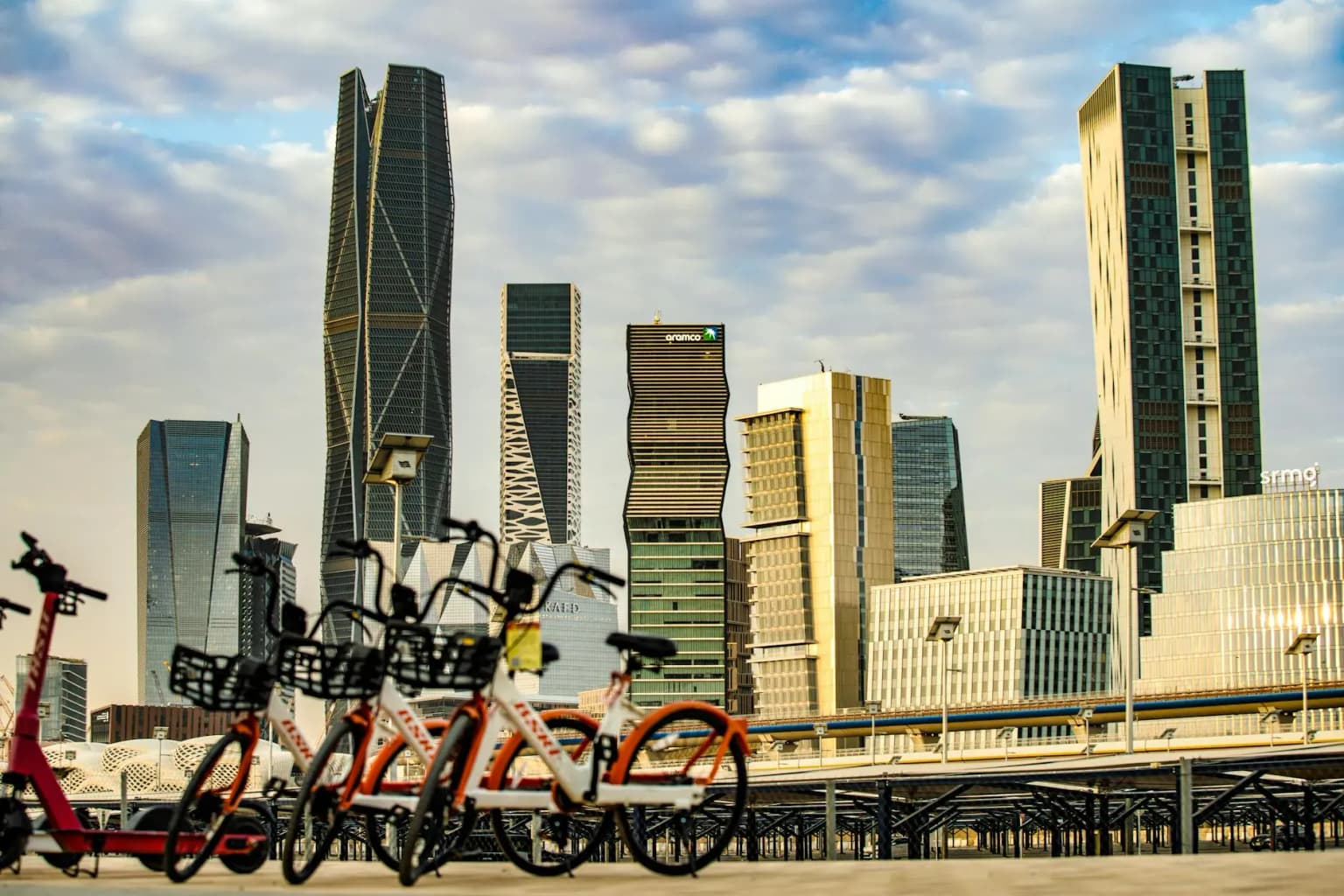
Diriyah (At-Turaif District) · Kingdom Centre Tower · National Museum of Saudi Arabia
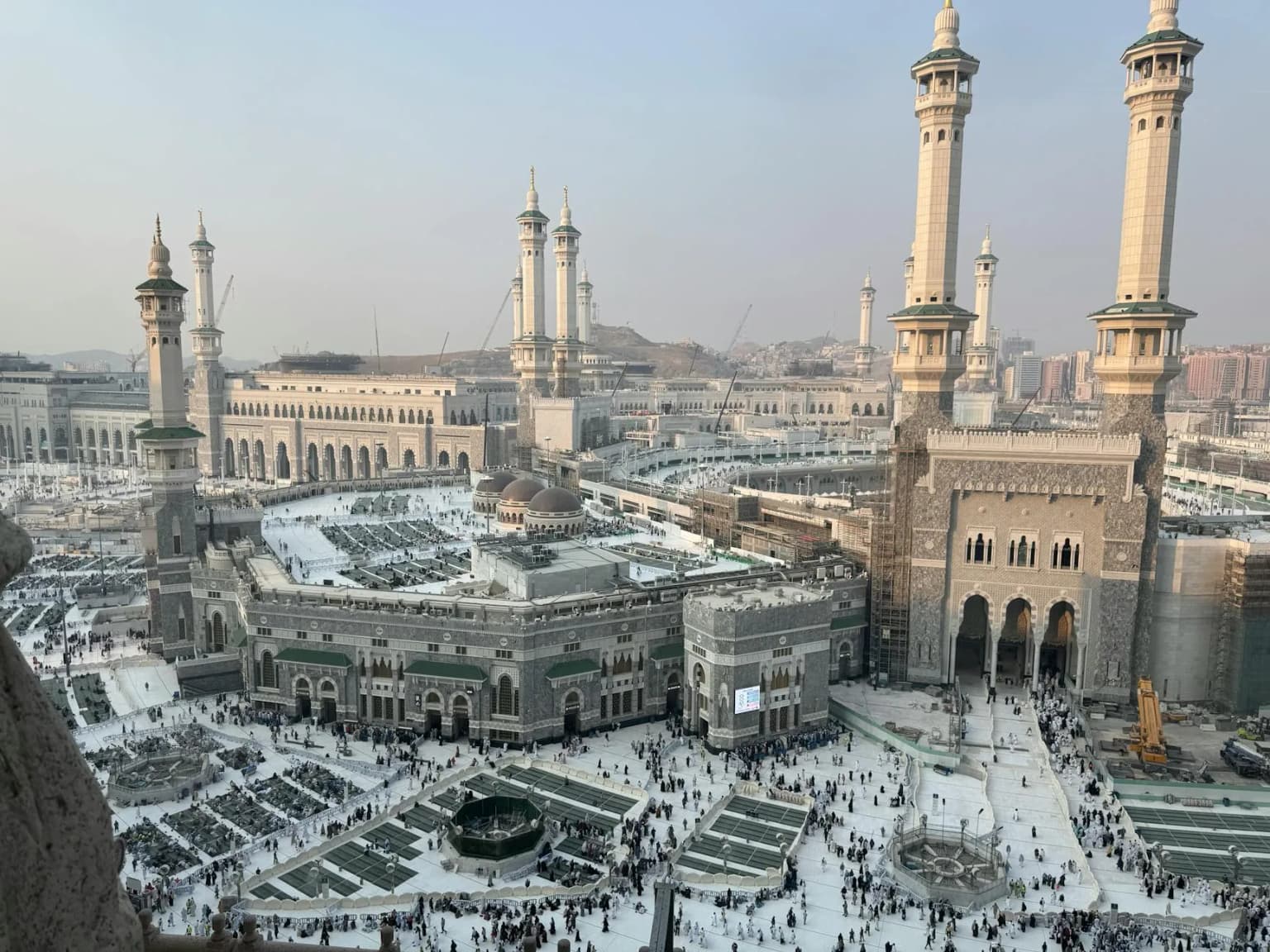
Masjid al-Haram (Grand Mosque) · The Kaaba · Abraj Al-Bait (Makkah Royal Clock Tower)
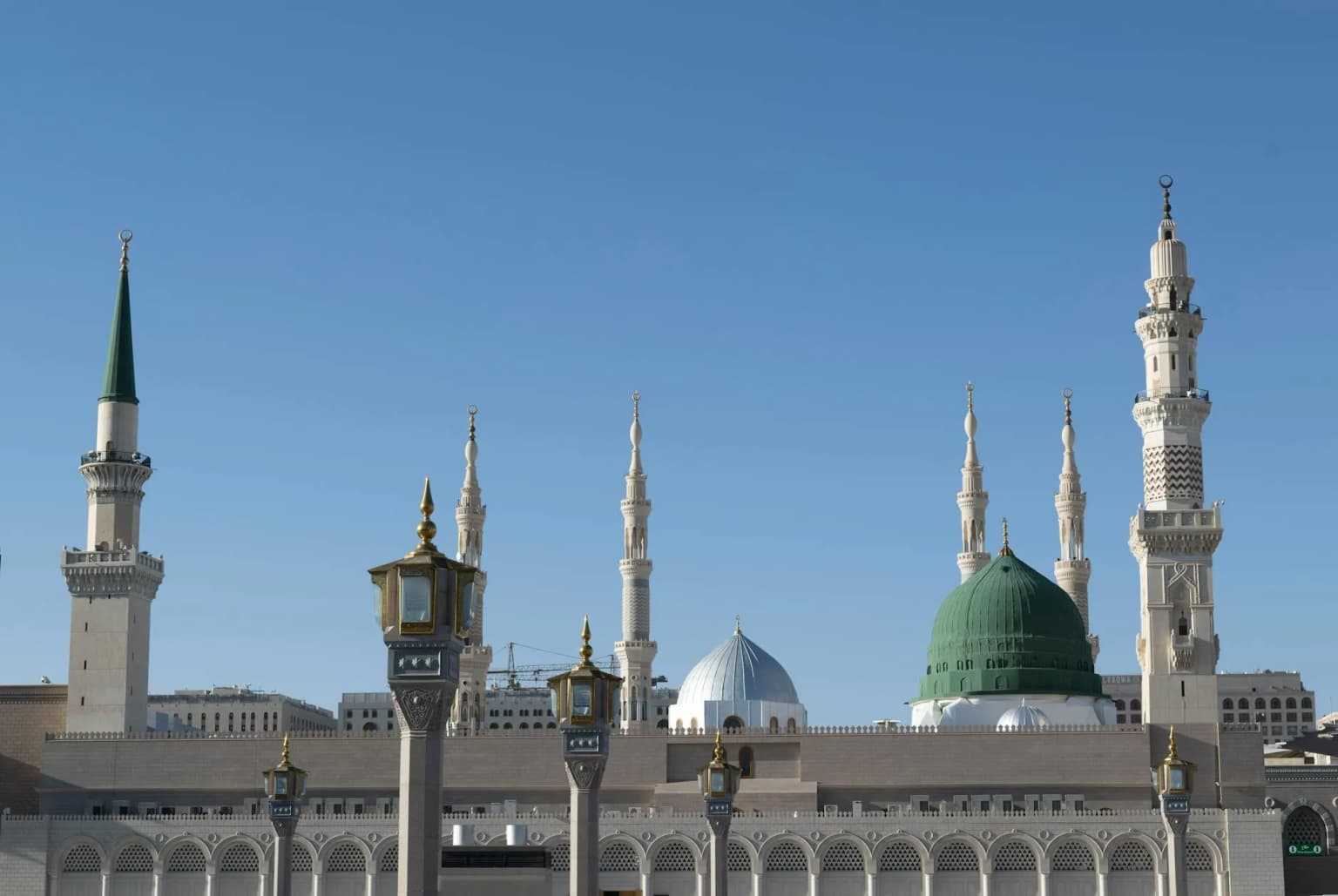
Al-Masjid an-Nabawi (Prophet's Mosque) · Quba Mosque · Mount Uhud
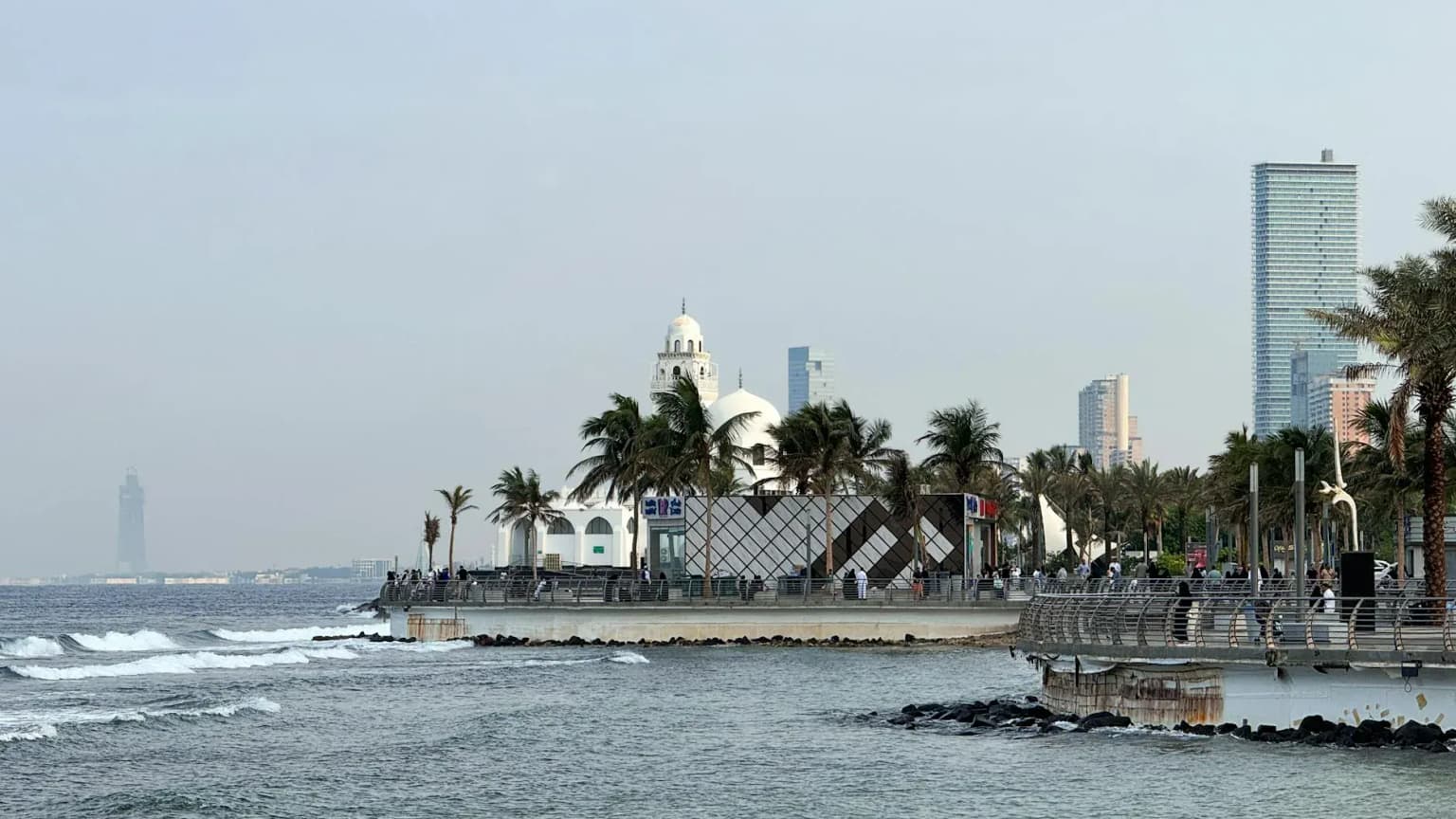
Al-Balad Historic District · King Fahd Fountain · Jeddah Corniche
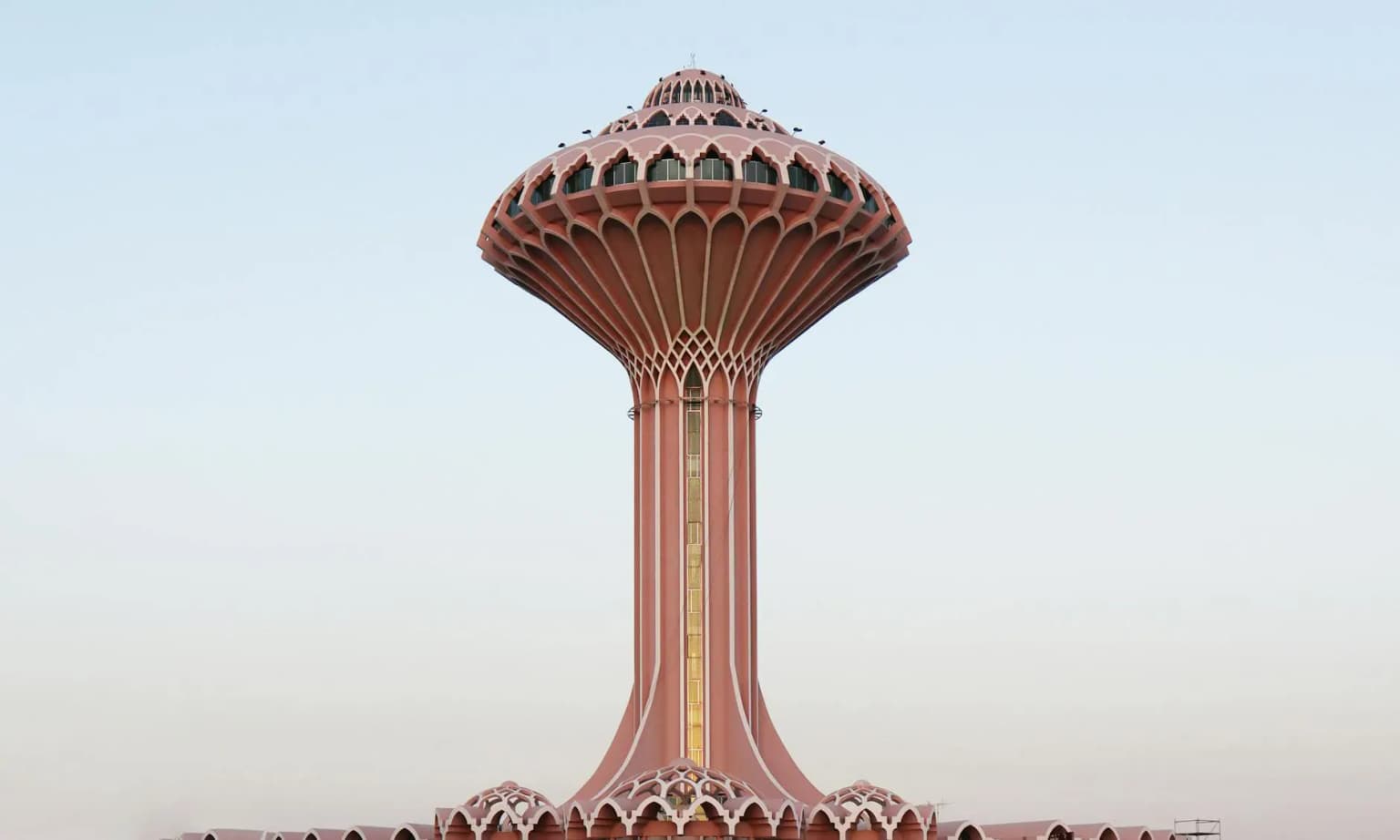
Dammam Corniche · King Abdulaziz Center for World Culture (Ithra) · Half Moon Bay
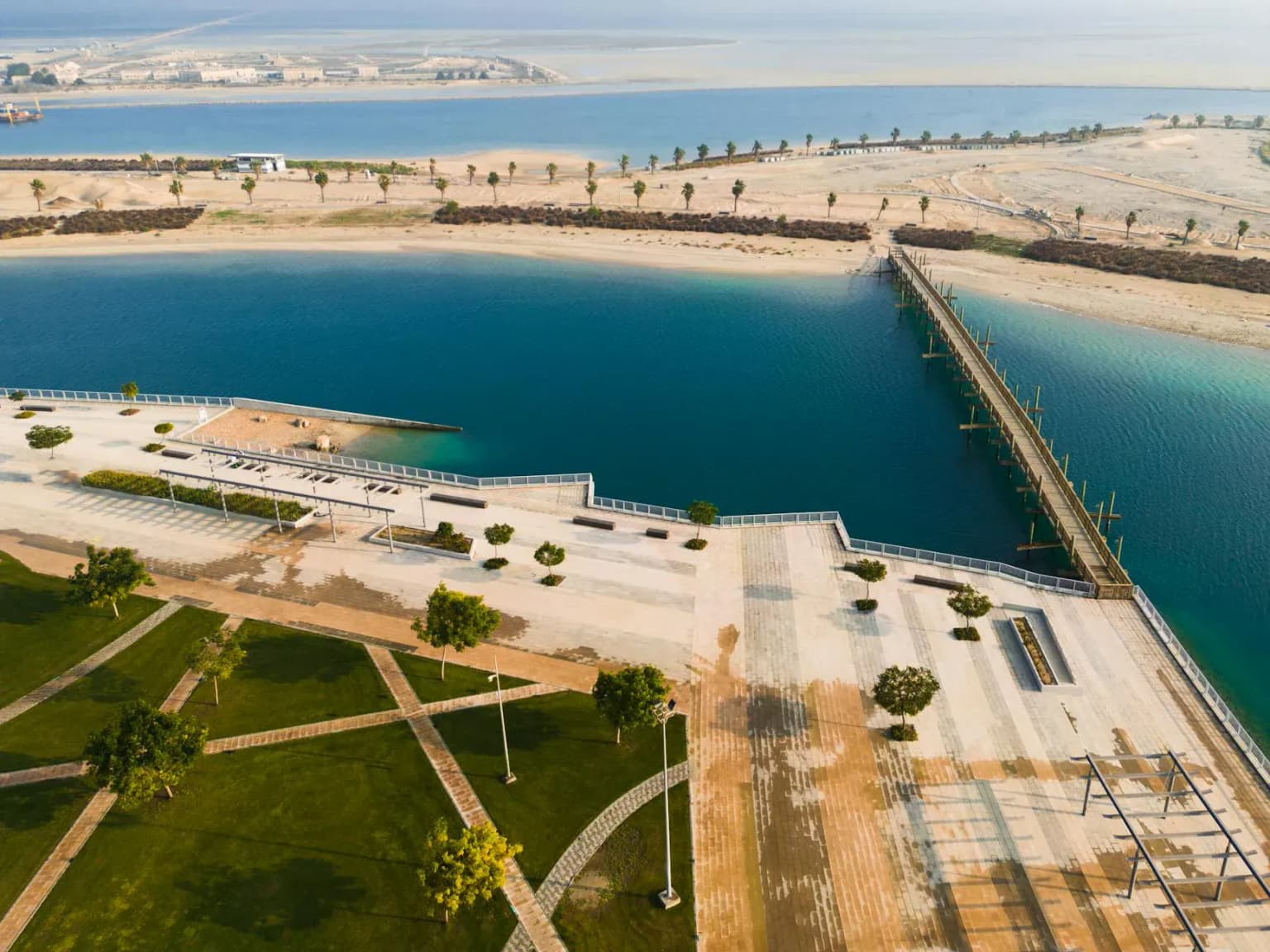
Khobar Corniche · King Fahd Causeway · Sunset Beach
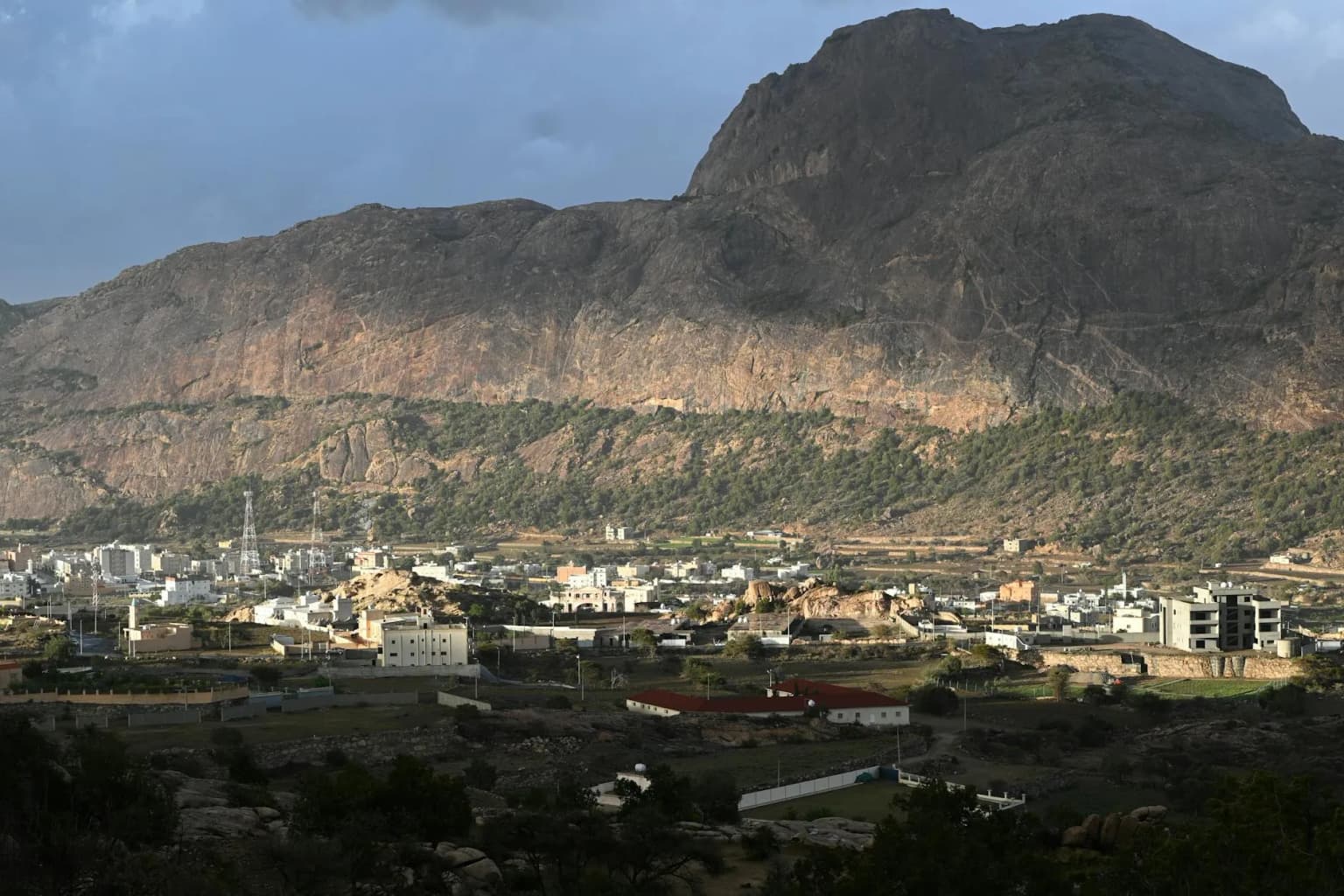
Asir National Park · Green Mountain (Jabal Akhdar) · Habala Village
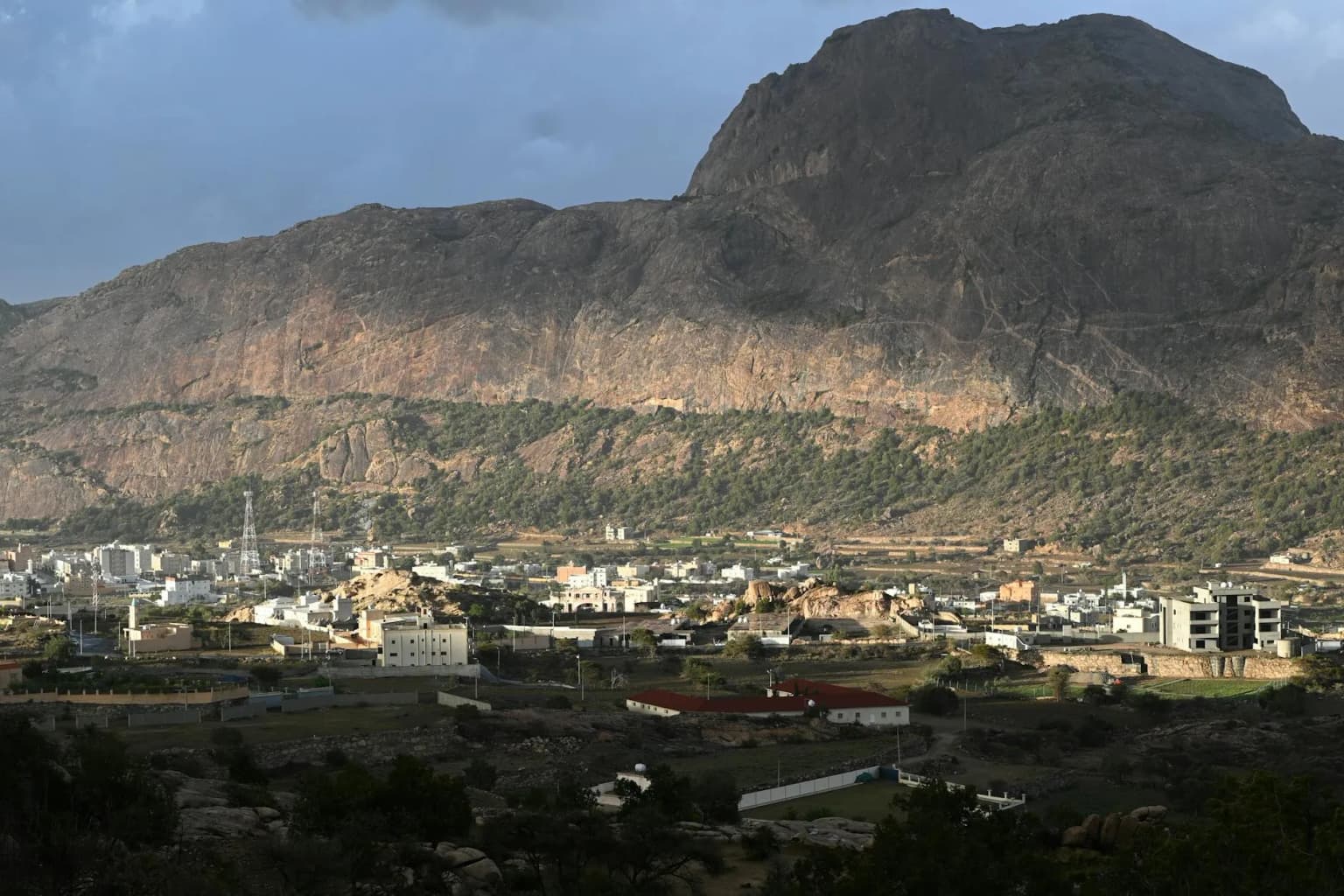
Taif Rose Farms · Al Shafa Mountain · Al Hada Mountains