Loading...
Join our Facebook Group: Join: Expats in Saudi Arabia
Loading...
If you live in or visit Saudi Arabia, you will encounter mada within your first day. It is the national electronic payment network that connects every bank, ATM, and point-of-sale terminal in the Kingdom. Think of it as the plumbing behind every card payment in Saudi Arabia. This guide explains how mada works, why it matters, and everything you need to know about using it.
mada is Saudi Arabia's national payment network, managed by Saudi Payments (a subsidiary of the Saudi Central Bank, SAMA). It connects all 27+ banks operating in the Kingdom, over 800,000 point-of-sale terminals, and more than 18,000 ATMs into a single, unified payment system. When you tap your card at a coffee shop in Riyadh or withdraw cash from an ATM in Jeddah, the transaction runs through the mada network.
Every bank account opened in Saudi Arabia comes with a mada debit card. There is no separate application or fee. The card is issued automatically when you open your account, and it works everywhere in the Kingdom from day one. This universality is what makes mada different from Visa or Mastercard. While those are international networks that individual banks choose to join, mada is the national infrastructure that all Saudi banks are required to support.
The network processes billions of transactions annually and is central to Saudi Arabia's Vision 2030 goal of making 70% of all transactions cashless. That target is well on its way: Saudi Arabia already has one of the highest rates of contactless payment adoption in the world, and cash is becoming increasingly unnecessary in daily life.
mada functions as a debit card network. Unlike a credit card, every mada transaction is deducted directly and immediately from your bank account balance. There is no credit line, no monthly bill, and no interest. You can only spend what you have. This makes it straightforward and eliminates the risk of accumulating debt through everyday spending.
When you use your mada card at a store, the terminal communicates with the mada network, which routes the transaction to your bank, verifies your balance, and processes the payment in seconds. You receive an instant SMS or push notification confirming the transaction. The merchant receives the funds typically within one business day.
Most mada cards are co-badged with either Visa or Mastercard. This means your physical card carries two logos: the mada logo and a Visa or Mastercard logo. Inside Saudi Arabia, transactions route through the mada network. Outside Saudi Arabia (or on international websites), the same card routes through the Visa or Mastercard network. You do not need two separate cards for domestic and international use.
The practical result for daily life in Saudi Arabia is simple: one card works everywhere. Grocery stores, restaurants, taxis, government fee payments, hospital bills, parking meters, vending machines, small street vendors with mobile card readers. If a business accepts payments in Saudi Arabia, it accepts mada.
You get a mada card by opening a bank account at any Saudi bank. For Saudi citizens, this requires a national ID. For expatriates, you need a valid iqama (residence permit) and passport. Most banks can open an account and issue a mada card in a single branch visit, often within 30 minutes. Some banks, like Al Rajhi and SNB, now offer fully digital account opening through their apps.
The major banks that expats commonly use include Al Rajhi Bank (the largest Islamic bank, with the widest ATM network and a well-regarded app), Saudi National Bank (SNB) (the largest bank by assets, formed from the merger of NCB and Samba), Riyad Bank (popular for salary accounts and student services), and SAB (Saudi Awwal Bank, with HSBC partnership and strong international banking features). All of them issue mada cards with Visa or Mastercard co-badging.
Your card typically arrives as a chip-and-PIN card with contactless (NFC) capability built in. You activate it by using it at an ATM with your PIN or through your banking app. Some banks offer instant virtual cards through their app while you wait for the physical card, letting you start making digital payments immediately.
For a detailed comparison of Saudi banks and their account features, see our bank accounts comparison guide.
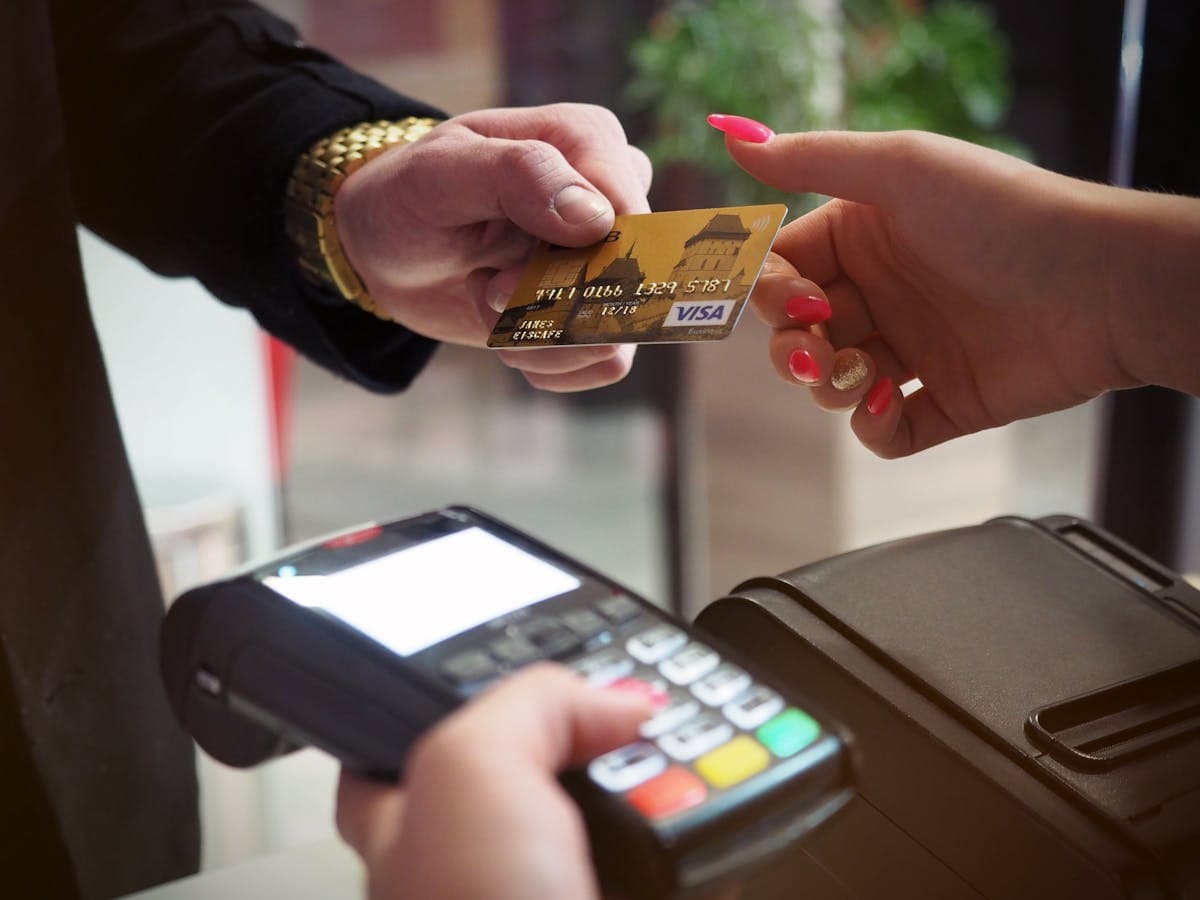
mada Atheer is the contactless payment feature built into modern mada cards. You simply tap your card on the payment terminal and the transaction is processed. For amounts up to 300 SAR, no PIN is required. For transactions above 300 SAR, you tap first and then enter your PIN. Contactless acceptance is nearly universal in Saudi Arabia, covering everything from supermarkets to food trucks.
mada cards also work with Apple Pay, mada Pay (an Android app), Samsung Pay, and other digital wallet services. Adding your mada card to Apple Pay is straightforward: open the Wallet app on your iPhone, tap the add button, select your bank, and complete the verification. Once added, you can pay by holding your phone near any contactless terminal, authenticated with Face ID or Touch ID.
For Android users, mada Pay is the dedicated app available on Google Play. It works similarly to Apple Pay but is specifically designed for the mada network. Samsung Pay and Garmin Pay also support mada cards from most Saudi banks.
Digital wallet adoption in Saudi Arabia is remarkably high. It is common to see people at coffee shops, grocery stores, and even traditional souks paying with their phones. Many younger Saudis and expats rarely carry a physical card at all. The combination of near-universal NFC terminal coverage and easy wallet setup makes Saudi Arabia one of the most cashless-friendly countries in the world.
mada cards are widely accepted for online shopping within Saudi Arabia. Most Saudi e-commerce platforms (Noon, Jarir, Extra, Amazon.sa) and service providers (STC, Mobily, government portals) accept mada directly. When you select mada as your payment method, you enter your card number, expiry date, and CVV, then authenticate with a one-time password (OTP) sent to your registered mobile number via 3D Secure.
For international websites that do not specifically list mada, your co-badged Visa or Mastercard network handles the transaction. You simply enter your card details as you would with any Visa or Mastercard, and the payment routes through the international network. This means your single mada card works for both domestic and international online shopping without needing a separate credit card.
Government services and fee payments in Saudi Arabia are heavily integrated with mada. Paying traffic fines through Absher, renewing your iqama, paying utility bills, and settling government fees can all be done with your mada card through the respective portals or the SADAD payment system.
Your mada card works internationally through its co-badged Visa or Mastercard network. When you use the card outside Saudi Arabia, the transaction bypasses the mada network entirely and is processed through Visa or Mastercard, exactly like any other international debit card.
International usage typically incurs a foreign transaction fee charged by your bank, usually 1-3% of the transaction amount. The exchange rate applied is the Visa or Mastercard wholesale rate (which is generally favorable) plus your bank's markup. Check with your specific bank for exact fees. Some premium accounts offer reduced or zero international transaction fees.
ATM withdrawals abroad follow the same principle. Your card works at any ATM displaying the Visa or Mastercard logo. You will typically pay a fee from both the ATM operator and your Saudi bank. For frequent international travelers, it may be worth having a secondary card from Revolut, Wise, or a similar service specifically for international spending, while keeping your mada card for Saudi domestic use.
One thing to be aware of: some banks require you to activate international usage on your card before traveling. This can usually be done through the banking app in a few taps (look for "travel mode" or "international transactions" in your card settings). Forgetting this step may result in your card being blocked when you try to use it abroad.
Daily transaction limits vary by bank and account type, but the typical ranges for standard accounts are:
| Transaction Type | Typical Daily Limit | Notes |
|---|---|---|
| POS purchases | 20,000 - 50,000 SAR | Can often be increased via banking app |
| ATM withdrawals | 5,000 - 10,000 SAR | Per day, not per transaction |
| Online purchases | 10,000 - 30,000 SAR | 3D Secure OTP required |
| Contactless (no PIN) | Up to 300 SAR per tap | PIN required above 300 SAR |
As for fees, the good news is that mada is essentially free for everyday domestic use. There are no fees for paying at merchants, no monthly card maintenance fees (in most cases), and no charges for using your own bank's ATMs. Using another bank's ATM may cost 1-3 SAR per withdrawal, depending on both banks' policies. Some banks waive this fee entirely for premium account holders.
The main fees to watch for are international transactions (1-3% foreign exchange markup), ATM withdrawals at other banks' machines, and card replacement fees if you lose your card (typically 25-50 SAR). Some banks also charge for issuing a supplementary card or for expedited replacement. Check your specific bank's fee schedule for details.
mada takes security seriously, and the network includes multiple layers of protection that make it comparable to the best payment systems globally.
All mada cards use EMV chip technology for in-person transactions, which generates a unique code for each payment. This makes card cloning virtually impossible. The old magnetic stripe is still present on cards for backward compatibility, but chip transactions are the default at all Saudi terminals.
For online transactions, 3D Secure authentication is mandatory. Every online mada payment requires a one-time password (OTP) sent to your registered mobile number. This prevents unauthorized online purchases even if someone has your card number and CVV.
Real-time transaction alerts are sent via SMS and push notification for every transaction. If you see a transaction you did not make, you can freeze your card instantly through your banking app. Most Saudi banking apps have a prominent "freeze card" button that blocks all transactions with a single tap, and you can unfreeze it just as quickly.
The mada network also uses real-time fraud monitoring that analyzes transaction patterns and can flag or block suspicious activity. If your card is suddenly used in a location far from your usual spending pattern, or if there is an unusual sequence of transactions, the system may temporarily block the card and notify you.
If your card is lost or stolen, contact your bank immediately. All Saudi banks offer 24/7 card blocking via phone and app. The bank will issue a replacement card, and any unauthorized transactions made after you reported the loss are typically covered by the bank's fraud protection policy.
Yes. Any person with a valid bank account in Saudi Arabia receives a mada debit card. This includes expatriates with an iqama (residence permit). When you open a bank account, the bank issues a mada card linked to your account. Most banks issue the card immediately or within a few business days.
No. mada is Saudi Arabia's domestic payment network, similar to how Visa and Mastercard are international networks. However, most mada cards are co-badged with either Visa or Mastercard, meaning your card works both on the domestic mada network (in Saudi Arabia) and on the international Visa/Mastercard network (abroad).
Yes, if your mada card is co-badged with Visa or Mastercard (most are). When used abroad, the transaction goes through the international network. Fees for international use vary by bank but typically include a foreign transaction fee of 1-3%. Check with your bank for specific charges.
Daily limits vary by bank and account type. Typical limits are 20,000-50,000 SAR for POS purchases, 5,000-10,000 SAR for ATM withdrawals, and 10,000-30,000 SAR for online purchases. Premium accounts may have higher limits. You can usually adjust limits through your banking app.
Yes. mada Atheer is the contactless payment feature. You can tap your card or phone (via Apple Pay or mada Pay) for transactions up to 300 SAR without entering your PIN. For amounts above 300 SAR, you need to enter your PIN after tapping.
For domestic transactions, there are generally no fees for the cardholder when paying at merchants or using your own bank's ATMs. Using another bank's ATM may incur a small fee (typically 1-3 SAR). Online transactions within Saudi Arabia are usually free. International transactions may have additional fees depending on your bank.
Open the Wallet app on your iPhone, tap the '+' button, select your bank, and follow the verification steps. Your bank may send an OTP to confirm. Once added, you can use your mada card via Apple Pay at any contactless terminal. For Android, download the mada Pay app from Google Play, link your card, and verify through your bank.
Immediately block your card through your banking app or call your bank's 24/7 hotline. Most Saudi banking apps let you freeze your card temporarily with one tap while you look for it. A replacement card is typically issued within 3-5 business days. If unauthorized transactions occurred, report them to your bank immediately.
Open a Saudi bank account and get your mada card. Compare banks to find the best account for your needs.