
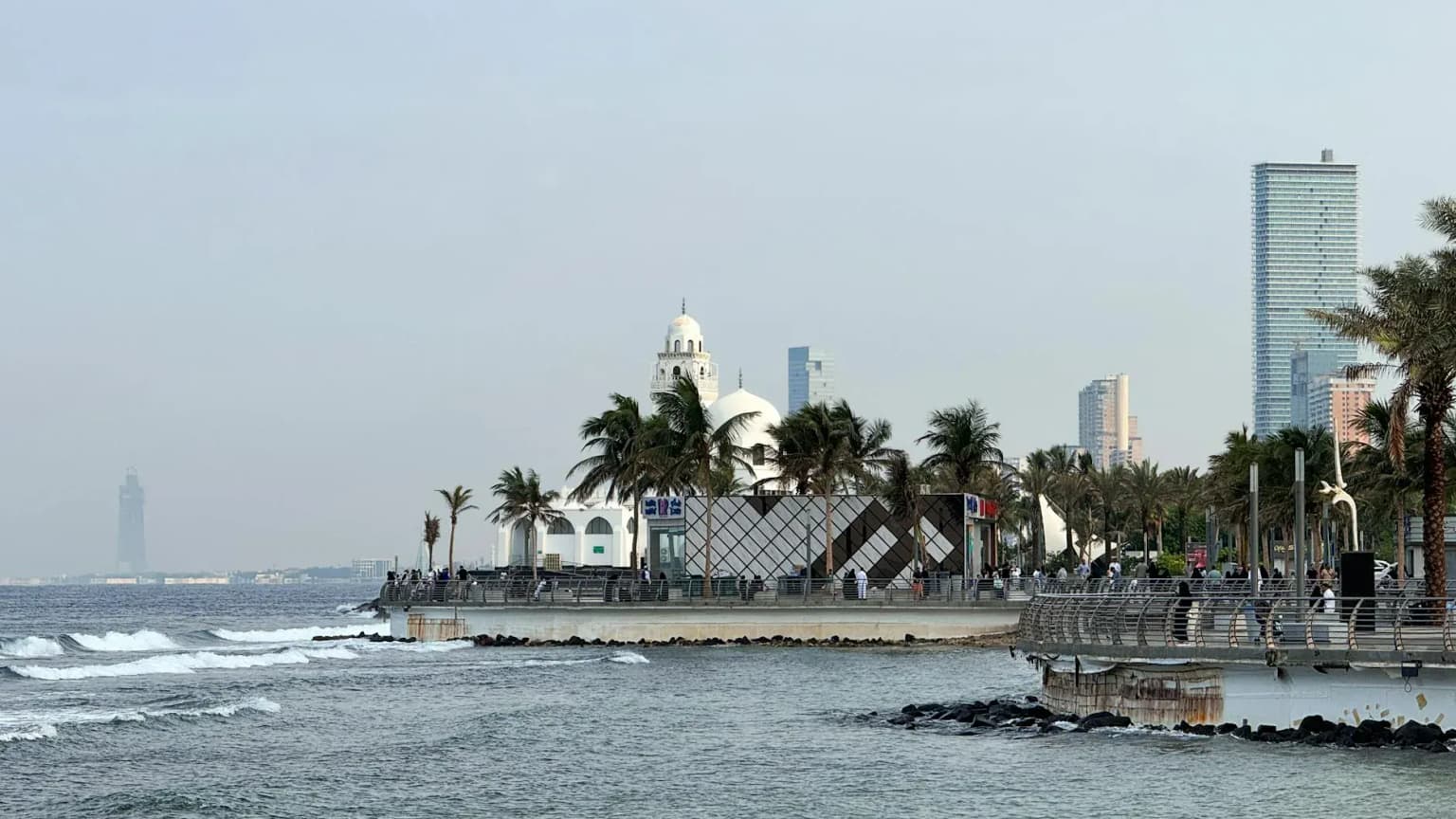
About Jeddah
Jeddah is the most cosmopolitan city in Saudi Arabia, shaped over more than a thousand years by a continuous flow of pilgrims, merchants, and sailors from across Africa, Asia, and the Middle East who passed through its port on the way to Mecca and often chose to stay. The result is a city with a cultural depth and diversity that is rare in the Gulf region, from the coral-stone heritage buildings and winding alleyways of the UNESCO-listed Al Balad district to the sleek waterfront restaurants and open-air sculpture galleries that line the 19-mile (30-km) Red Sea Corniche. As the Kingdom's commercial capital, Jeddah is home to one of the largest seaports in the Middle East (Jeddah Islamic Port), a thriving logistics sector, and a growing creative economy, while its position as the main gateway for Hajj and Umrah pilgrims connects it to a global network of travellers year-round. Under Vision 2030, Jeddah is also the launchpad for major Red Sea mega-projects and a rapidly expanding entertainment and tourism industry that is transforming the city's skyline and social scene.
With a more relaxed social atmosphere than Riyadh, a 19-mile (30-km) Red Sea waterfront, world-class diving, and a food scene that reflects centuries of global migration, Jeddah offers expats a lifestyle that balances career opportunity with genuine quality of life in one of the Gulf's most characterful cities.
Located in Makkah Region, Jeddah is home to 4.7 million residents. The local economy runs on trade & logistics, tourism & hospitality, shipping & maritime, real estate & construction, retail & consumer goods, hajj & umrah services, arts & creative industries, and the city has become a draw for international professionals looking for tax-free salaries and a growing quality of life. The expat community here numbers around 1.5+ million expats people, primarily from Indian, Pakistani, Filipino, Egyptian.
For expats considering a move, Jeddah has clear upsides. Most liberal and cosmopolitan atmosphere in Saudi Arabia. Beautiful Red Sea coastline with diving and water sports. UNESCO World Heritage historic district (Al Balad). The flip side is worth knowing too: Very hot and humid summers. Flooding risk during heavy rains due to infrastructure issues. None of this is a dealbreaker, but it helps to go in with realistic expectations. If you are in the early stages of planning, start with our guide to moving to Saudi Arabia and check the visa requirements for your nationality.
Things to Do in Jeddah
Jeddah is Saudi Arabia's second-largest city and its undisputed commercial capital on the Red Sea coast. For over 2,500 years, this port city has welcomed traders, pilgrims, and travelers from every corner of the world, creating a uniquely cosmopolitan atmosphere unlike anywhere else in the Kingdom. The UNESCO-listed Al-Balad historic district preserves centuries of coral-stone architecture with its iconic wooden rawasheen balconies, while the modern city stretches along a stunning 19-mile (30-km) waterfront corniche lined with sculptures by world-renowned artists. Known affectionately as the "Bride of the Red Sea," Jeddah blends Hejazi heritage, international influences, and a relaxed coastal energy that makes it one of the most welcoming cities in Saudi Arabia for visitors and residents alike.
Heritage & Culture
Al-Balad Historic District
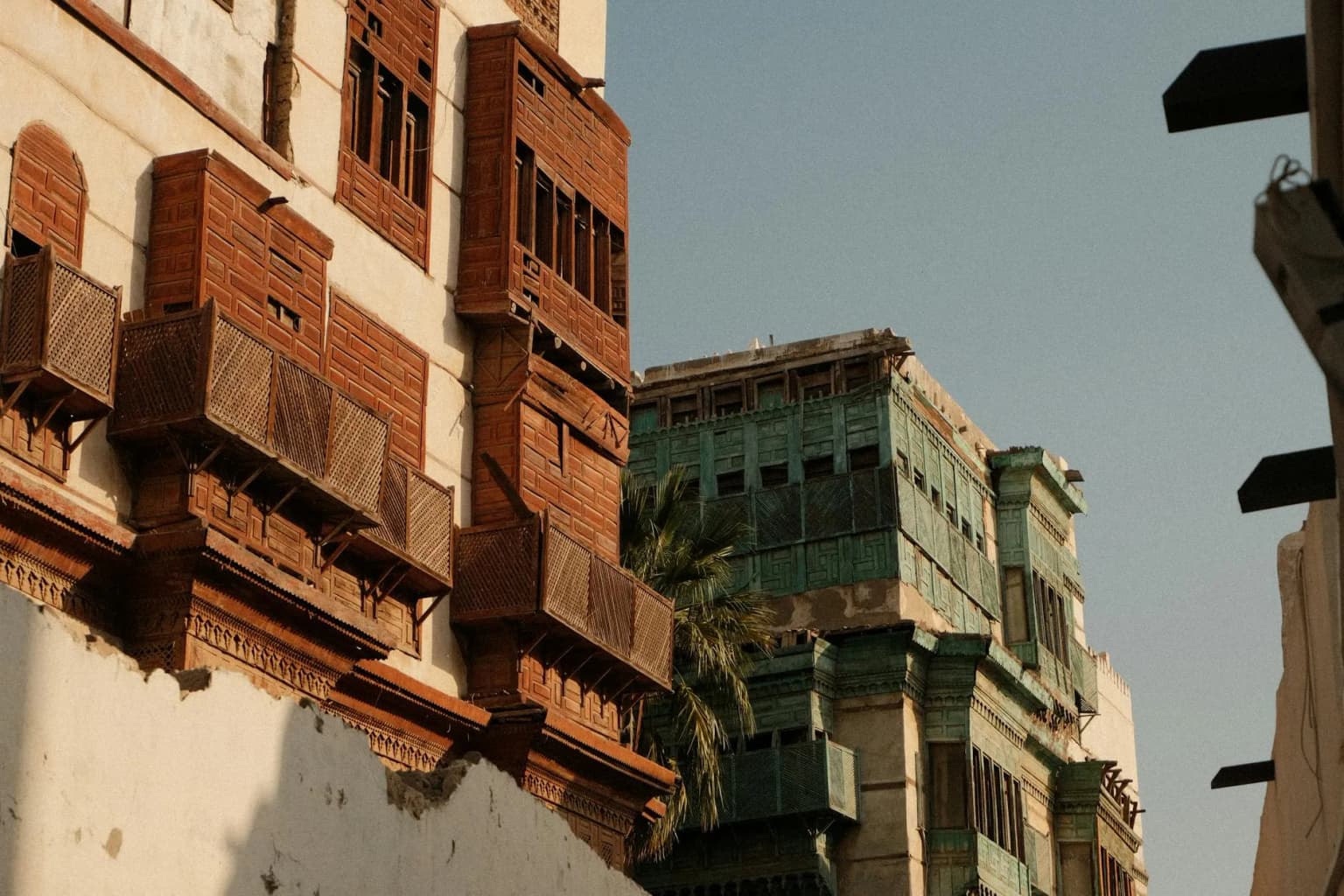
Al-Balad is the beating heart of old Jeddah and a UNESCO World Heritage Site since 2014. This ancient quarter dates back over 2,500 years as a trading hub on the Red Sea, and its narrow alleyways are lined with hundreds of coral-stone buildings adorned with intricately carved wooden rawasheen (projecting enclosed balconies). These distinctive latticed balconies allowed air circulation while providing privacy -- a masterpiece of pre-air-conditioning architecture. Walking through Al-Balad feels like stepping into a living museum, with traditional souqs selling perfumes, spices, and textiles, alongside restored heritage buildings now housing galleries and cafes. The district is undergoing a massive restoration effort as part of the Jeddah Historic District Program, and new cultural venues are opening regularly.
Hours: Open 24 hours; shops typically 9 AM - 12 PM and 4 PM - 11 PM. Tickets: Free to explore; some museums have small fees. Tip: Visit in the late afternoon when the light is golden and the souqs come alive. Wear comfortable walking shoes for the cobblestone streets. Friday evenings are particularly atmospheric with local families strolling the alleys.
Landmark
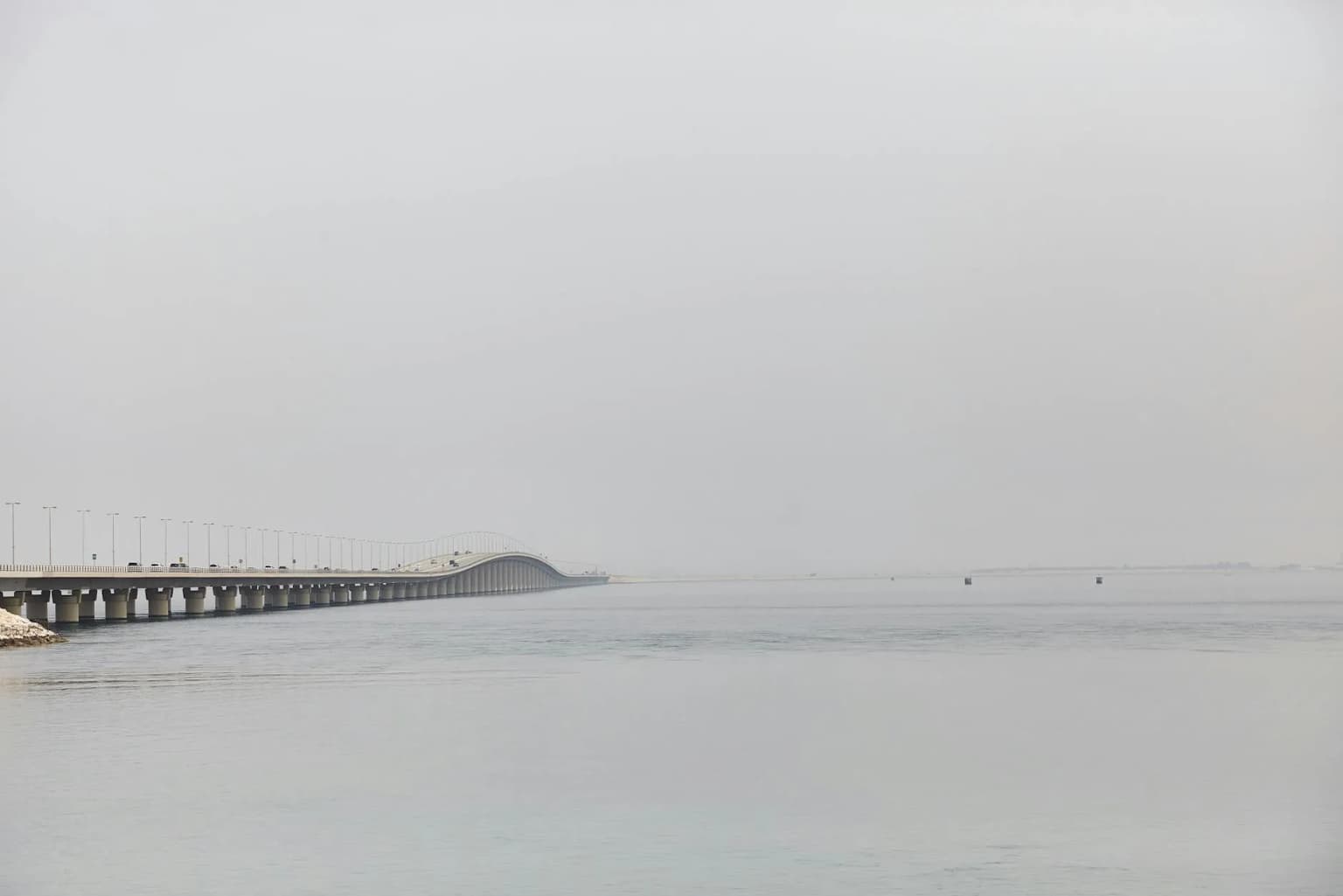
King Fahd Fountain
The King Fahd Fountain holds the Guinness World Record as the tallest water fountain on Earth, shooting Red Sea water to a staggering height of 1,024 feet (312 m) at speeds of up to 233 mph (375 km/h). Located just offshore in the Red Sea along the Jeddah Corniche, the fountain is visible from almost anywhere along the waterfront and serves as the city's most iconic modern landmark. It operates most evenings and is illuminated by over 500 spotlights that create a dazzling display against the night sky. The fountain was donated to the city by King Fahd bin Abdulaziz in the 1980s and has become synonymous with Jeddah itself.
Hours: Best viewed after sunset; typically operates daily from 6 PM - midnight. Tickets: Free (viewable from the Corniche). Tip: Head to the central Corniche for the best vantage point. On breezy evenings, the mist from the fountain can reach quite far, so keep cameras protected. The fountain is at its most spectacular after dark when fully illuminated.
Waterfront & Recreation
Jeddah Corniche
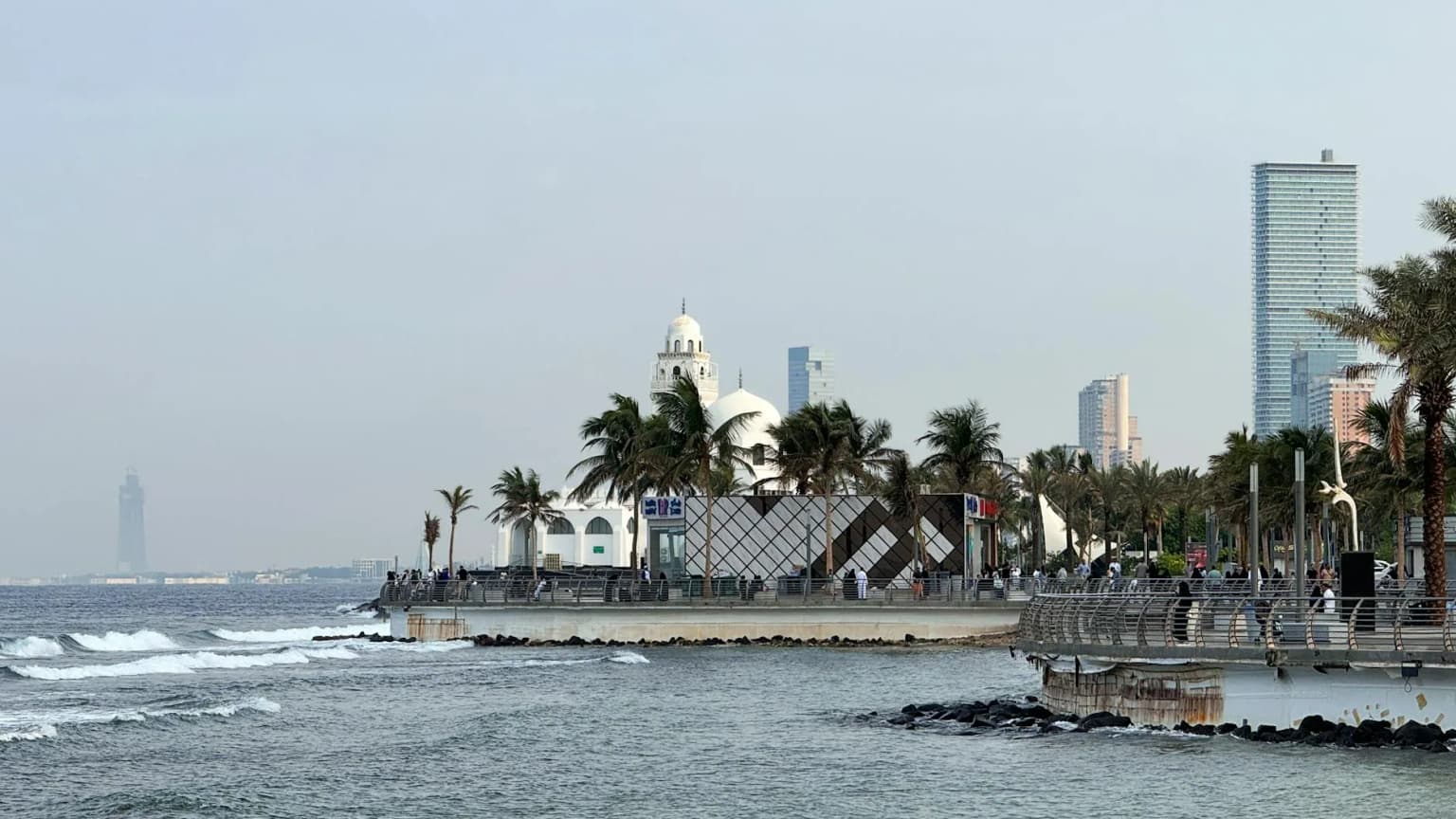
Stretching for approximately 19 miles (30 km) along the Red Sea coast, the Jeddah Corniche is one of the longest and most beautiful urban waterfronts in the world. This sprawling public promenade features landscaped parks, playgrounds, outdoor exercise areas, fishing spots, and dozens of sculptures by internationally acclaimed artists including Henry Moore and Joan Miro. Families, joggers, and cyclists fill the Corniche every evening, and the waterfront comes alive after sunset with food vendors, picnicking groups, and the warm glow of the King Fahd Fountain in the distance. The Corniche has undergone significant upgrades in recent years with improved pedestrian paths, seating areas, and lighting.
Hours: Open 24 hours; most active from 4 PM - midnight. Tickets: Free. Tip: Rent a bicycle from one of the rental stations to cover more ground. The southern stretch near Al-Balad tends to be quieter, while the northern sections have more restaurants and entertainment. Bring water -- even in the evenings, humidity can be high.
Religious & Architectural
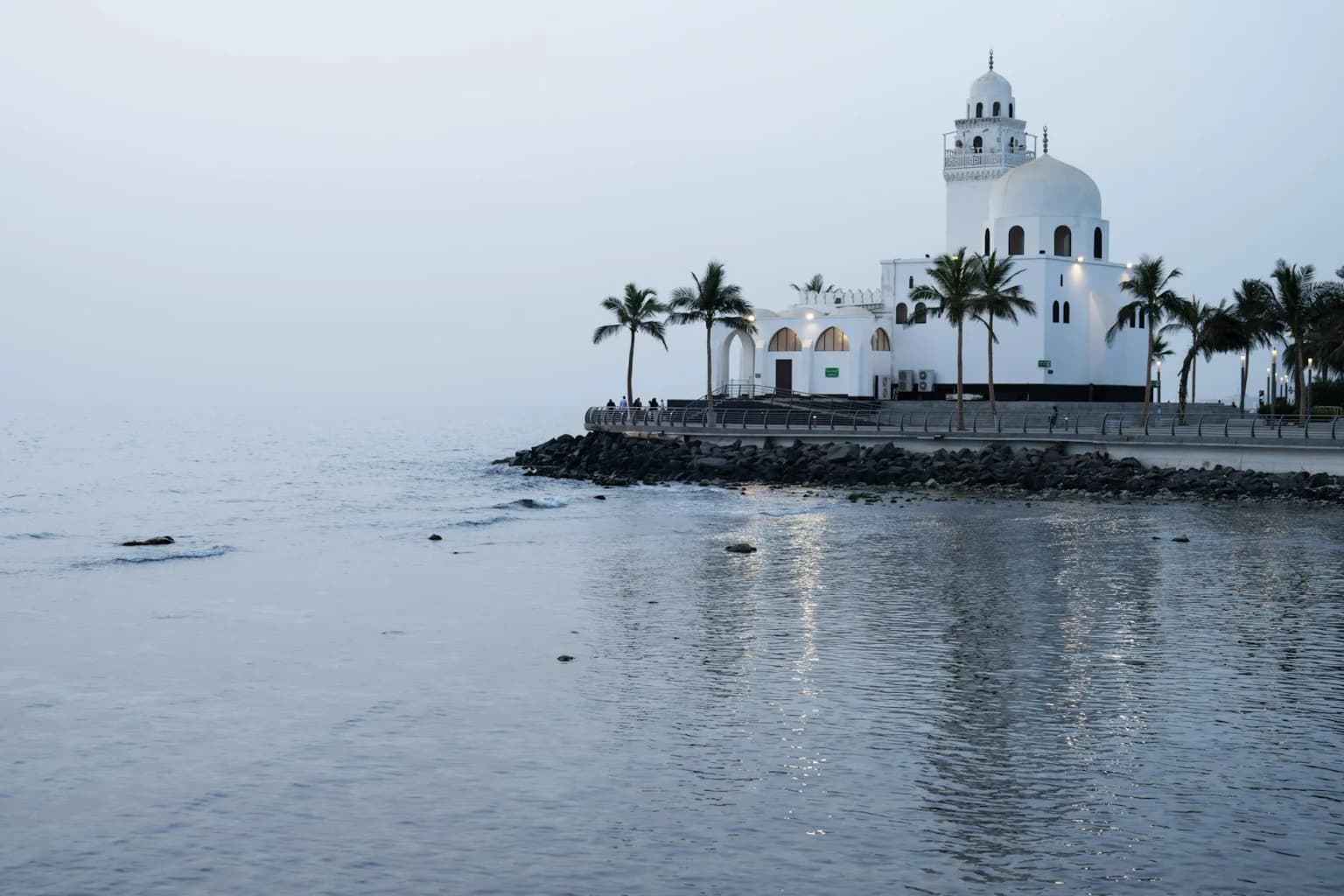
Al Rahma Mosque (Floating Mosque)
The Al Rahma Mosque, commonly known as the Floating Mosque, is one of Jeddah's most photographed landmarks. Built on pillars over the Red Sea, the mosque appears to float on the water's surface during high tide, creating a breathtaking visual effect especially at sunrise and sunset. Completed in 1985, the mosque features a distinctive white exterior with a prominent turquoise dome. It is an active place of worship and welcomes Muslim visitors for prayers. Non-Muslim visitors can admire and photograph the mosque from the surrounding Corniche area, where the combination of the white structure against the turquoise Red Sea makes for stunning photographs.
Hours: Open during prayer times; exterior viewable anytime. Tickets: Free. Tip: Visit at sunrise or sunset for the most dramatic photographs. High tide creates the best "floating" effect. The area is particularly beautiful during the golden hour. Dress modestly if you plan to enter for prayer.
Waterfront & Dining
Jeddah Waterfront (New Corniche)
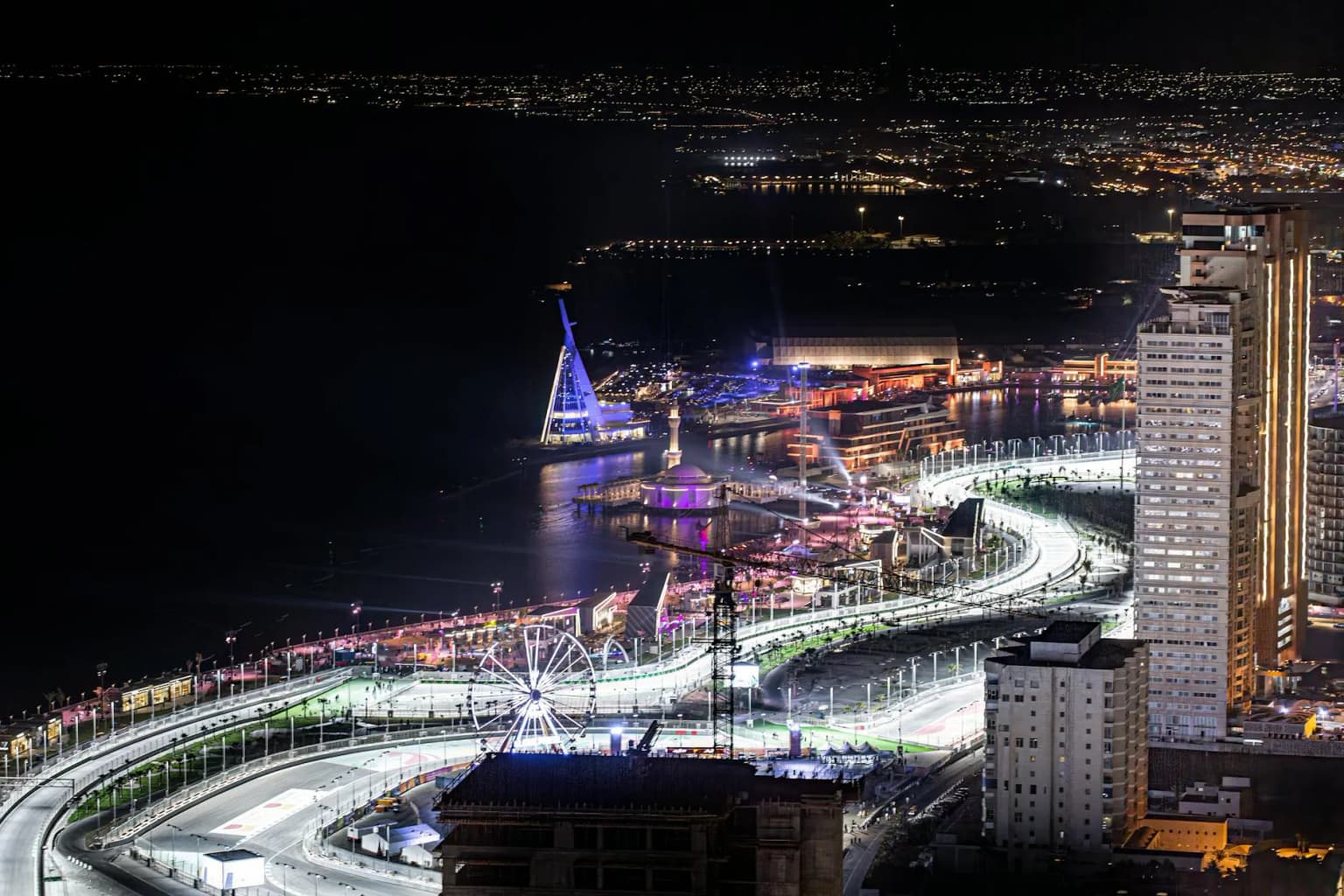
The Jeddah Waterfront, also known as the New Corniche, is the city's premier upscale waterfront development. Home to the Jeddah Yacht Club, luxury restaurants, and modern entertainment venues, this polished district represents the modern face of the city. The waterfront features manicured gardens, public art installations, a marina filled with private yachts, and a selection of high-end dining options with stunning sea views. Weekend evenings are especially lively, with families and groups gathering to enjoy the sea breeze, dine al fresco, and watch the boats glide across the harbor. The development has become a favorite meeting point for Jeddah's social scene.
Hours: Open 24 hours; restaurants typically 12 PM - 1 AM. Tickets: Free entry; dining costs vary. Tip: Reserve restaurant tables in advance for weekend evenings, especially at waterfront spots. The area is great for an evening stroll even if you are not dining. Look for seasonal pop-up markets and events.
Heritage & Museum
Nassif House Museum
Nassif House is one of the finest examples of traditional Hejazi architecture in Al-Balad and one of Jeddah's most important heritage buildings. Built in the 1870s by the wealthy merchant Omar Nassif, this imposing four-story coral-stone mansion once served as a guest house for King Abdulaziz when he first entered Jeddah in 1925. The house features over 40 rooms arranged around a central courtyard, with elaborate rawasheen balconies and a rare interior tree that grows through the building's core. Now a museum, Nassif House displays period furniture, photographs, manuscripts, and artifacts that tell the story of Jeddah's merchant class and the city's role in the founding of modern Saudi Arabia.
Hours: Saturday - Thursday: 8 AM - 5 PM; closed Friday. Tickets: Free. Tip: Ask the staff for a guided tour -- they are knowledgeable about the Nassif family history and the building's role in Saudi history. The rooftop offers excellent views over Al-Balad. Combine your visit with exploring the surrounding souqs.
Hidden Gems
Beyond the well-known landmarks, Jeddah has some lesser-known spots worth discovering:
Athr Gallery and Al-Balad Art District
Tucked away in a restored heritage building in Al-Balad, Athr Gallery is one of Saudi Arabia's most respected contemporary art spaces and the anchor of a growing arts district in the historic quarter. The gallery showcases cutting-edge work by Saudi and international artists across painting, sculpture, installation, and video art, often engaging with themes of identity, heritage, and rapid social change in the Kingdom. Beyond Athr, several smaller galleries, artist studios, and creative spaces have opened in nearby restored coral-stone buildings, forming an informal art walk through the old city's atmospheric alleyways. The area hosts regular openings and cultural events that draw Jeddah's creative community. It is a side of the city that most tourists never discover, offering a fascinating contrast between ancient architecture and contemporary artistic expression.
Al Shallal Theme Park and Lagoon
Located along the northern Corniche near Obhur Creek, Al Shallal is an amusement park built around a natural lagoon that most foreign visitors overlook in favor of the more famous attractions. The park features an ice skating rink -- a surreal experience in one of the world's hottest cities -- along with rides, an indoor rainforest, bowling alleys, and a large arcade. The real draw, however, is the lagoon itself, where you can take boat rides surrounded by landscaped gardens with waterfalls cascading around the edges. On Thursday and Friday evenings the park fills with local families, giving visitors an authentic glimpse of how Jeddawis spend their leisure time. The combination of the lagoon, the sea breeze from nearby Obhur Creek, and the lively family atmosphere makes it a genuinely enjoyable and distinctly local experience.
Khuzam Palace District
Khuzam Palace, built in the 1930s as a royal residence for King Abdulaziz, sits in the southern part of the city surrounded by a quiet district that few tourists visit. The palace itself is an architectural landmark blending traditional Hejazi elements with early modern design, and the surrounding neighborhood retains an old-world charm with tree-lined streets, traditional bakeries, and small mosques that feel untouched by Jeddah's rapid modernization. The palace grounds are not always open to the public, but the exterior is impressive and the nearby streets reward wandering with authentic local restaurants, spice shops, and a pace of life that feels worlds apart from the bustling Corniche. The area also includes the Regional Museum of Archaeology and Ethnography, which houses artifacts from the Hejaz region spanning thousands of years. It is an excellent area for travelers who want to see a quieter, more residential side of Jeddah beyond the tourist highlights.
Day Trips from Jeddah
Jeddah's strategic location on the Red Sea coast, at the foot of the Hejaz Mountains, makes it an ideal base for day trips that range from mountain retreats and volcanic landscapes to holy cities and pristine coral reefs. The Haramain High-Speed Railway puts Mecca and Medina within easy reach, while the dramatic Al Hada mountain road to Taif is one of the best drives in the Kingdom. Whether you are seeking natural wonders, spiritual experiences, or coastal adventures, you can be there and back in a single day from Jeddah.
Taif (City of Roses)
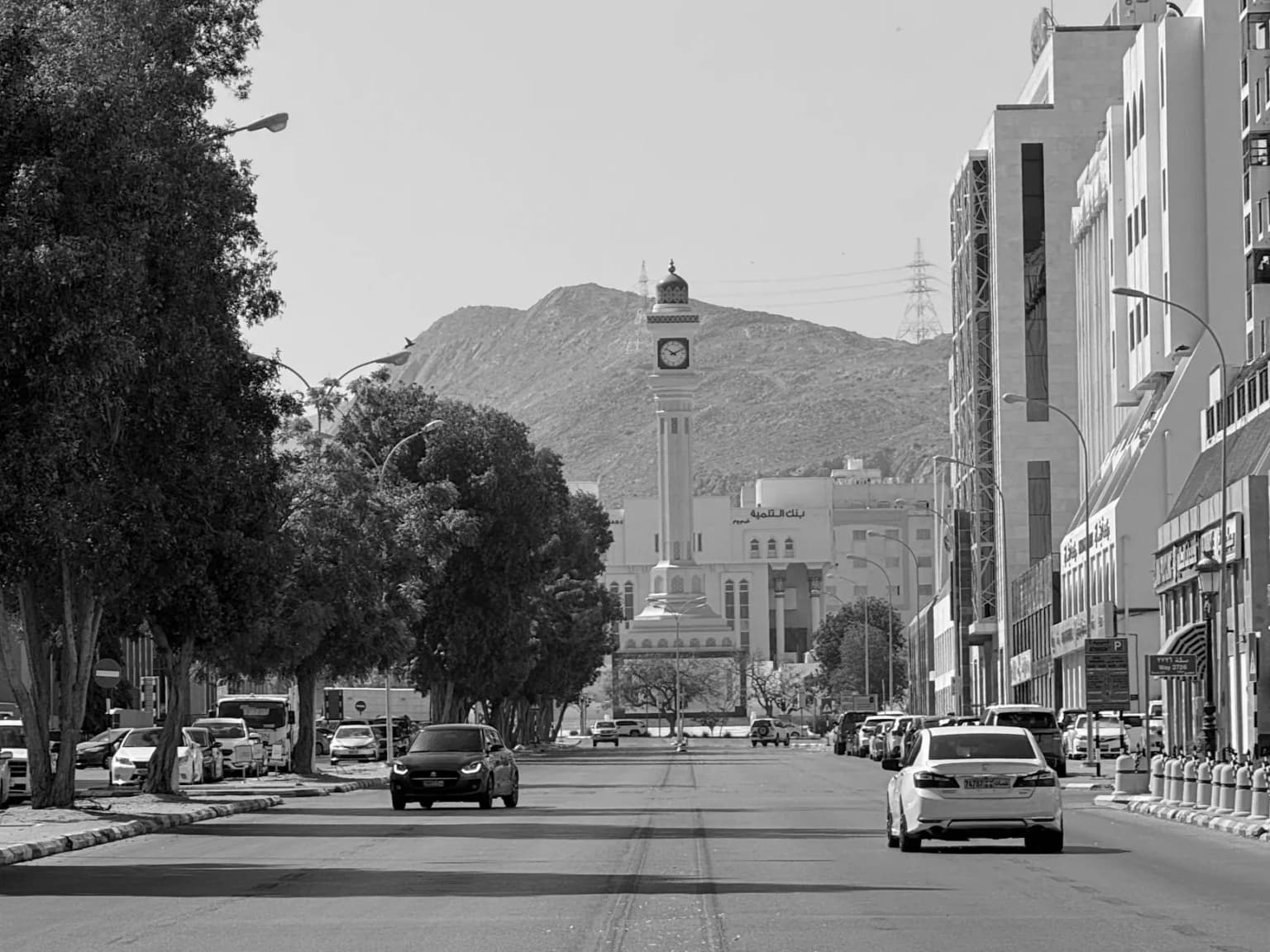
Perched at 5,906 feet (1,800 m) in the Hejaz Mountains just 106 miles (170 km) east of Jeddah, Taif offers a dramatic escape from the coastal heat. Known as the City of Roses, Taif is famous for its fragrant Taif rose farms, which supply the prized rose oil used in perfumery across the Middle East. The drive from Jeddah via the Al Hada mountain road is one of the most spectacular in Saudi Arabia, featuring 120 hairpin turns with breathtaking views over the escarpment. In Taif, visit the rose distilleries (especially during the April-May rose season), browse the historic souqs for honey and local produce, explore the Ottoman-era Shubra Palace, and enjoy temperatures that can be 18-27°F (10-15°C) cooler than Jeddah. The cable car at Al Hada offers panoramic views of the surrounding mountains and valleys.
106 miles (170 km) - 2 hours by car
Mecca (for Muslims)
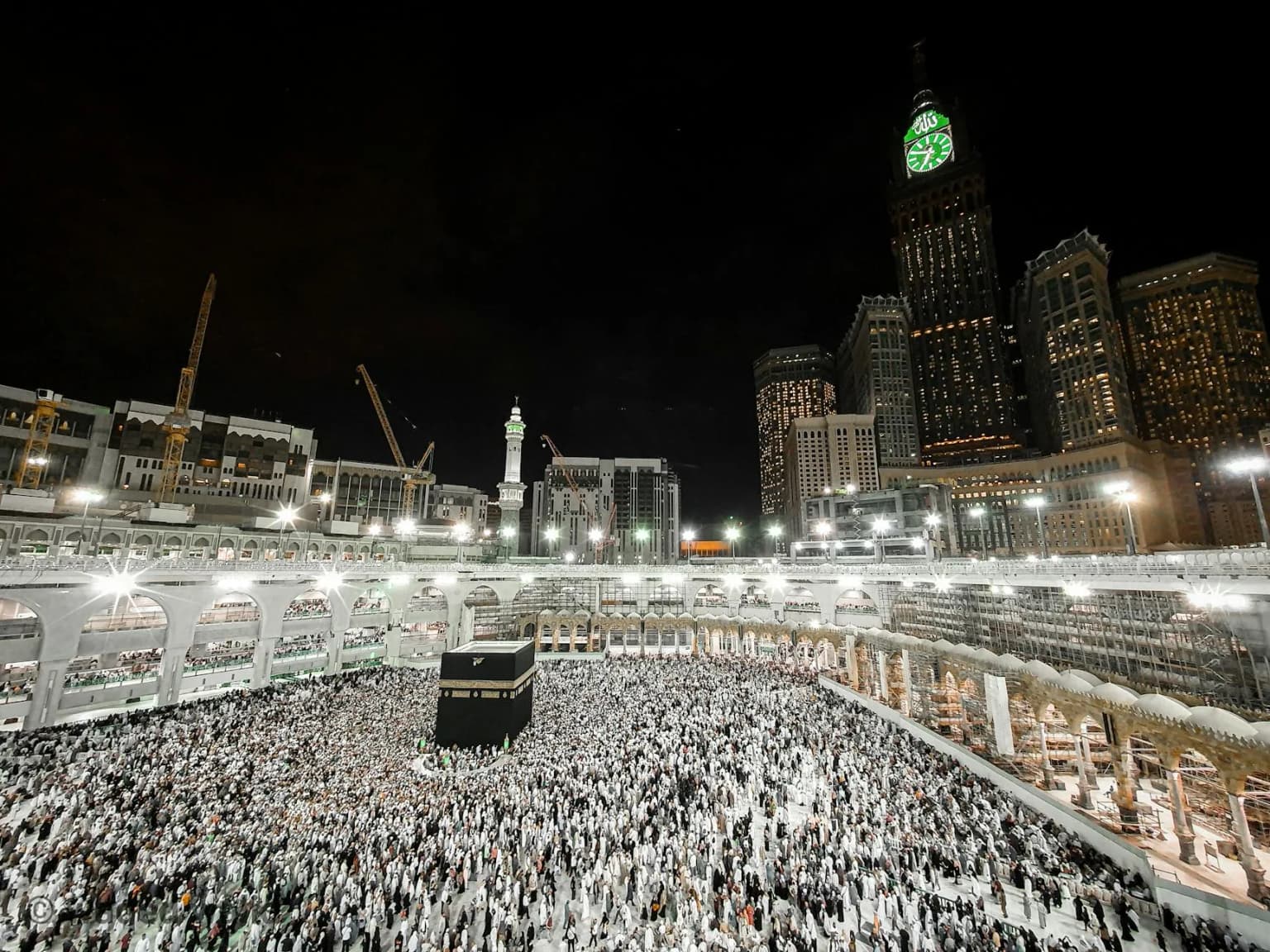
The holiest city in Islam is just 50 miles (80 km) east of Jeddah, making it one of the easiest and most meaningful day trips in the Kingdom for Muslim visitors. The Haramain High-Speed Railway covers the distance in just 30 minutes, or you can drive in about an hour. Visit the magnificent Masjid al-Haram (Grand Mosque), perform Umrah, and explore the expanded complex around the mosque, including the Abraj Al-Bait clock tower and the surrounding markets. The city also has several historical sites including Jabal al-Nour (Mountain of Light) where the first Quranic revelation was received. Note that entry to Mecca is strictly restricted to Muslims only, and visitors should carry identification confirming their faith.
50 miles (80 km) - 1 hour by car or 30 minutes by Haramain train

Al Wahbah Crater
One of Saudi Arabia's most extraordinary natural wonders, Al Wahbah is a massive volcanic crater approximately 1.2 miles (2 km) wide and 820 feet (250 m) deep, with a shimmering white sodium phosphate floor that glows under the desert sun. Located about 186 miles (300 km) northeast of Jeddah in the Harrat Kishb lava field, the crater was formed by a phreatic explosion when groundwater met volcanic magma. You can hike down into the crater (allow 30-45 minutes for the descent and longer for the climb back up), but bring plenty of water and start early in the morning to avoid the midday heat. The drive crosses dramatic volcanic landscapes of black basalt fields dotted with ancient lava flows. A 4x4 vehicle is recommended for the final stretch of unpaved road. Best combined with a visit to Taif for a full-day adventure.
186 miles (300 km) - 3.5 hours by car
For a complete list of attractions, restaurants, and detailed itineraries, check out our full guide to things to do in Jeddah.
Where to Eat in Jeddah
Jeddah's food scene is the most diverse in Saudi Arabia, shaped by centuries of cultural exchange through its port. Hejazi cuisine -- the region's signature cooking style -- blends Arabian, Turkish, Indian, and East African flavors in ways you will not find anywhere else in the Kingdom. The city is famous for its fresh Red Sea seafood, creamy saleeg (rice cooked in milk), and slow-roasted mandi. Jeddah is also the birthplace of Al Baik, the wildly popular fried chicken chain that has achieved cult status across Saudi Arabia. From hole-in-the-wall fish grills near the Corniche to refined Hejazi fine dining, Jeddah rewards adventurous eaters at every price point.
Local dishes you should try include Saleeg (a beloved hejazi comfort dish of rice slow-cooked in seasoned milk until it reaches a creamy, almost risotto-like consistency, typically served with roasted chicken on top, 30-60 SAR), Mandi (tender slow-cooked lamb or chicken served over fragrant long-grain rice that has been smoked in a tandoor-style pit, 40-80 SAR), Fresh Red Sea Fish (jeddah's proximity to the red sea means incredibly fresh seafood is available daily, 50-120 SAR), Al Baik Fried Chicken (born in jeddah in 1974, al baik is saudi arabia's most iconic fast food chain and a genuine cultural phenomenon, 15-30 SAR), and Hejazi Foul and Tamees (a quintessential jeddah breakfast: slow-cooked fava beans (foul) seasoned with cumin, olive oil, lemon, and chili, scooped up with fresh-from-the-oven tamees flatbread, 10-20 SAR).
Restaurant Recommendations
Some places worth trying: Al Baik (the legendary jeddah-born fried chicken chain, 15-30 SAR), Al Atawla in Various locations (a celebrated hejazi restaurant known for authentic traditional dishes prepared with family recipes passed down through generations, 60-120 SAR), Beit Misk in Al Hamra (one of the finest hejazi cuisine restaurants in jeddah, offering elevated traditional dishes in a beautifully designed space, 150-350 SAR), Twina Fish Restaurant in South Corniche / Fish Market area (a beloved local institution near the fish market area, twina serves some of the freshest and most flavorful grilled fish in the city, 60-100 SAR), and Mama Noura (a jeddah staple for shawarma and grilled meats, mama noura has been serving loyal customers for decades, 20-50 SAR).
Dining Tips
Jeddah restaurants tend to open late -- lunch is typically from 1 PM to 4 PM, and dinner often does not get going until 9 PM or later.
Many seafood restaurants near the fish market let you select your fish and choose how it is prepared (grilled, fried, or sayadiya-style with rice).
Budget meals at local restaurants and fast food chains cost 30-100 SAR per person. Fine dining and upscale seafood restaurants range from 150-350 SAR.
During Ramadan, most restaurants close during the day but come alive after iftar. Some of the best Ramadan dining experiences in the Kingdom happen in Jeddah.
Try foul and tamees for breakfast at a neighborhood shop -- it is the authentic Jeddah morning experience and costs under 20 SAR.
The Corniche and fish market areas have some of the best casual seafood in the city at very reasonable prices.
Cost of Living in Jeddah
Living costs in Jeddah are Slightly lower than Riyadh overall, but waterfront properties command premium prices compared to other major cities in the Gulf. A comfortable monthly budget falls between 4,500-14,000 SAR, covering rent, food, transport, and day-to-day expenses. Compared to Dubai, you can expect to spend 30-50% less. Compared to Abu Dhabi, 20-40% less. And with zero personal income tax in Saudi Arabia, your purchasing power goes further than the numbers suggest.
Housing
Rent for a one-bedroom apartment ranges from 2,500-10,000 SAR, depending on the neighborhood and apartment quality. City center locations and modern compounds are more expensive but offer better amenities and shorter commutes. Suburban standalone apartments give you more space for less money. Most landlords expect annual rent, often paid in 1-4 post-dated checks, and utilities run about 250-600 SAR per month per month. For details on how the process works, see our rental guide for Saudi Arabia.
Groceries, Food & Transport
A meal at a mid-range restaurant costs 25-130 SAR per meal. Monthly grocery shopping averages 700-1,400 SAR per month, with major supermarket chains like Tamimi, Panda, Danube, and Carrefour available. Transportation costs are Mainly private car/ride-hailing; fuel ~2.3 SAR/liter - fuel is very affordable, ride-hailing through Uber and Careem works well, and most expats drive or use apps to get around.
Monthly Budget Breakdown
| Rent (1BR apartment) | 2,500-10,000 SAR |
| Utilities | 250-600 SAR per month |
| Groceries | 700-1,400 SAR per month |
| Transportation | Mainly private car/ride-hailing; fuel ~2.3 SAR/liter |
| Restaurant meal | 25-130 SAR per meal |
| Total monthly budget | 4,500-14,000 SAR |
Use our cost of living calculator to get a personalized estimate based on your lifestyle.
Best Neighborhoods in Jeddah
Where you live matters. Jeddah has neighborhoods that range from gated expat compounds with pools and security to vibrant city center districts within walking distance of restaurants and offices. The right choice depends on your budget, whether you have a family, and how you want to live day-to-day.
| Neighborhood | Rent Level | Description |
|---|---|---|
| Al Hamra | High | Upscale waterfront district along the northern Corniche popular with professionals and diplomats, offering luxury apartments with sea views, high-end international restaurants, seaside promenades, and easy access to the city's best diving centres. |
| Al Rawdah | Medium-High | One of Jeddah's most popular family-oriented residential areas, with well-regarded international schools, the large Red Sea Mall and Al Salaam Mall nearby, leafy streets lined with villas and modern apartment buildings, and a strong sense of community. |
| Al Andalus | Medium | A well-established and centrally located residential neighbourhood that offers a good balance of affordability and convenience, with family-friendly parks, local shops, and easy access to Tahlia Street's dining and retail strip. |
| Al Balad (Historic Jeddah) | Low-Medium | The UNESCO World Heritage old town with traditional coral-stone buildings, carved wooden rawasheen balconies, atmospheric souqs selling perfumes and spices, and a growing arts and cafe scene as the district undergoes an ambitious restoration programme. |
| Obhur | High | A northern coastal area centred around a scenic creek inlet, popular for its beach resorts, yacht clubs, floating restaurants, and relaxed waterfront lifestyle that feels like a permanent holiday for residents who can afford the premium rents. |
District Map
If you are coming with family, expat compounds are the path of least resistance. They come with security, shared amenities, social events, and other families in the same situation as you. If you are single or a couple without kids, a modern apartment in a central district puts you closer to restaurants, offices, and city life. Either way, visit the neighborhood in person before signing a lease. Drive around at different times of day, check the commute to your office, and look at what is nearby.
Jobs & Career Opportunities
The job market in Jeddah is active, with an unemployment rate of ~5.5% for expats; Saudization quotas enforced across sectors. Average salaries sit around 7,000-18,000 SAR (varies by sector and nationality), and because Saudi Arabia has no personal income tax, what you earn is what you keep. Saudization (Nitaqat) policies mean companies must hire a percentage of Saudi nationals, but many sectors still recruit heavily from abroad - especially in trade & logistics, tourism & hospitality, shipping & maritime.
Major employers in Jeddah include Saudi Ports Authority, Saudia (Saudi Arabian Airlines), Jeddah Chamber of Commerce, Abdul Latif Jameel, Savola Group, Xenel Group, King Abdullah University of Science and Technology (nearby). These companies regularly hire international talent and often provide comprehensive packages including housing, transportation allowances, annual flights home, and medical insurance for the whole family.
The fastest growing sectors are tourism & hospitality, logistics & shipping, real estate development, creative industries & arts, retail & e-commerce, red sea tourism (mega-project), all driven by the Kingdom's Vision 2030 diversification strategy. If your skills align with any of these, you will find the job market receptive.
How to Find Work
LinkedIn is the primary recruitment channel in Saudi Arabia - update your profile with Jeddah or Saudi Arabia as your preferred location. Major recruitment agencies like Hays, Robert Half, and Michael Page operate across the Kingdom. Bayt.com, GulfTalent, and Naukrigulf are the most used regional job boards. Apply directly on company career pages for the big employers. Networking matters more here than in most places - join professional groups, attend industry events, and connect with people already working in Jeddah.
Work Culture
The work week runs Sunday to Thursday, typically 8 hours per day with reduced hours during Ramadan. You get a minimum of 21 days annual leave, increasing to 30 days after 5 years with the same employer. Typical expat packages include housing, transport, annual flights, medical insurance, and education allowances for children. When your contract ends, you receive an end-of-service gratuity based on your years of employment. For more on what to expect, read our Saudi working culture guide.
Getting Around Jeddah
Getting around Jeddah is easier than navigating Riyadh, partly because the city stretches linearly along the Red Sea coast, giving it a more intuitive layout. The Corniche road serves as the main north-south artery and is the reference point most people use for navigation. While there is no metro system yet (the Jeddah BRT is under development), ride-hailing apps work exceptionally well and are the most practical way for visitors to get around. The city is also a key node on the Haramain High-Speed Railway, connecting Jeddah to Mecca and Medina by train.
Uber / Careem: The most convenient and widely used transport option in Jeddah. Both apps are reliable with short wait times throughout the city. Prices are reasonable, and drivers generally know the main landmarks and neighborhoods well. Careem is the regional app and sometimes offers better rates for shorter trips. Cost: 15-40 SAR for most trips within the city.
Taxi: Traditional taxis are available but less common than ride-hailing. Official airport taxis operate on a meter or fixed-price system. If using a street taxi, always agree on the fare before getting in or insist on the meter. Cost: Similar to ride-hailing; airport to center 40-70 SAR.
Haramain High-Speed Railway: The high-speed rail service connects Jeddah to Mecca (30 minutes) and Medina (approximately 2 hours) via the King Abdullah Economic City station. The trains are modern, comfortable, and punctual. Tickets can be booked via the SAR app or at station counters. This is by far the best way to reach Mecca and Medina from Jeddah. Cost: Jeddah to Mecca: ~50 SAR; Jeddah to Medina: ~150 SAR.
Car Rental: Useful if you plan to explore the Corniche at your own pace, take day trips to Taif or along the coast, or visit areas not well served by ride-hailing. Major international and local rental agencies are available at the airport and throughout the city. Driving in central Jeddah can be hectic, but the coastal roads and highway to Taif are excellent. Cost: 150-300 SAR per day depending on vehicle type.
SAPTCO Buses: Public buses operate several routes across the city but service is limited and schedules can be irregular. Buses are mainly used by budget-conscious residents and are not the most practical option for visitors. The planned Bus Rapid Transit (BRT) system will improve public transport significantly once completed. Cost: 3-5 SAR per trip.
King Abdulaziz International Airport (JED) is located approximately 12 miles (20 km) north of the city center. The airport underwent a major expansion with a new terminal that opened in 2019, dramatically improving the arrival experience. A taxi or ride-hailing trip from the airport to central Jeddah takes 20-30 minutes and costs 40-70 SAR, depending on the destination and traffic. The airport serves as the main gateway for Hajj and Umrah pilgrims, so expect increased traffic and crowds during the Hajj season and Ramadan. There is a dedicated Hajj terminal for pilgrim flights.
Jeddah drivers can be aggressive, particularly on the main highways and during rush hour. The Corniche road and Palestine Street (Tahlia) are the two main arteries to learn. Roundabouts are common and right-of-way rules are often interpreted loosely. Parking can be challenging in Al-Balad and the central Corniche area -- consider parking further away and walking. The highway to Taif via the Al Hada mountain road is spectacular but has sharp switchbacks that require careful driving. Flash flooding occasionally closes roads after rare heavy rains, so monitor weather alerts during winter.
Intercity travel: Jeddah is exceptionally well connected to other Saudi cities. The Haramain High-Speed Railway provides fast, comfortable service to Mecca (30 minutes, approximately 50 SAR) and Medina (2 hours, approximately 150 SAR), making both cities easy day trips. SAPTCO operates intercity bus services to Taif (2 hours), Yanbu (4 hours), and Riyadh (10 hours). Domestic flights from King Abdulaziz International Airport connect to all major Saudi cities, with frequent service to Riyadh (1.5 hours) and Dammam (2 hours). The coastal highway north to Yanbu and south to Al Lith offers scenic driving along the Red Sea.
Expat Life in Jeddah
Jeddah has a well-established international community of around 1.5+ million expats people, with the largest groups coming from Indian, Pakistani, Filipino, Egyptian, Yemeni, Indonesian, Sudanese, American. This is not a city where you will feel isolated. There are active expat groups, compound communities, professional networks, and social clubs that make it straightforward to build a social life from scratch.
Local groups like Jeddah Expats, InterNations Jeddah, Jeddah International Community, Jeddah Divers, Red Sea Entrepreneurs organize regular social events, cultural activities, and networking opportunities. Compound living provides built-in community with sports leagues, family events, and shared facilities. If you live independently, online communities on Facebook and WhatsApp are the fastest way to connect with other expats in your area.
Jeddah is the most culturally diverse city in Saudi Arabia, with a character shaped by the blending of Hejazi traditions with influences from Africa, Southeast Asia, India, and the Levant brought by centuries of Hajj pilgrims who settled along the Red Sea coast. The result is a city with a distinctly cosmopolitan feel that is evident in its vibrant street food scene, where Yemeni mandi, Indonesian nasi goreng, and Hejazi saleeg sit side by side, in its open-air sculpture gallery along the Corniche featuring works by international artists like Henry Moore and Joan Miro, and in the traditional Hejazi architecture of Al Balad with its iconic coral-stone towers and intricately carved wooden rawasheen balconies. Jeddah Season, the city's annual entertainment mega-event, brings concerts, festivals, and international performances that draw visitors from across the region.
Healthcare
Jeddah has a strong healthcare infrastructure with major public facilities including King Fahd General Hospital and King Abdulaziz Medical City, alongside well-regarded private hospitals such as the International Medical Center (IMC), Dr. Soliman Fakeeh Hospital, Saudi German Hospital, and the National Guard Hospital. The city is increasingly attracting medical tourists from across the region, and most major hospitals have English-speaking staff with departments accredited by international healthcare bodies. Employer-provided medical insurance is mandatory by law, and most private hospitals and clinics have English-speaking staff. Emergency services are available around the clock, and pharmacies are well-stocked and often open late.
Education
Jeddah has 5 major universities, including King Abdulaziz University (top 200 globally in some rankings), KAUST (top research university in the Middle East), Effat University (leading private women's university), Dar Al-Hekma University. For expat families, international schools offering British, American, IB, and other curricula are available, along with nurseries and early childhood centers. School fees vary widely, but many employer packages include an education allowance.
Your First Month
When you first arrive, the priority list is straightforward: get your iqama (residence permit) processed through your employer, open a Saudi bank account, register on the Absher platform for government services, get a Saudi SIM card (STC, Mobily, or Zain), and either convert your driving license or start the process of getting a Saudi driving license. Most of this can be sorted within the first few weeks if your employer's PRO (public relations officer) is on top of things.
Climate & Practical Information
Summers in Jeddah are very hot and humid, 95-113°f (35-45°c / 95-113°f) with high humidity (june-september), while winters are warm and pleasant, 68-86°f (20-30°c / 68-86°f) with low humidity (november-february). The city experiences very low, ~55mm annually; rare but heavy downpours can cause urban flooding. The best time to visit or move is between October and April when the weather is most pleasant.
Popular destinations near Jeddah include Al Lith and Thuwal Beaches, Taif (Mountain Escape), Obhur Creek, Mecca (for Muslims), Al Wahba Volcanic Crater, Yanbu (Red Sea Coast). These are accessible for day trips or weekend getaways and give you a sense of the region beyond the city itself.
Useful Contacts
Emergency services: 911 (Riyadh and Eastern Province) or 999 (other regions). Traffic Police: 993. Ambulance: 997. Fire: 998. Essential apps include Absher (government services), Tawakkalna (digital ID), and your bank's app for managing payments through the mada network.
Ready to Move to Jeddah?
Tax-free salaries, a growing international community, and a city that is changing fast. Start planning your move today.
Tours & Activities in Jeddah
Discover the best tours, excursions, and activities available in and around Jeddah. From cultural experiences to desert adventures, find something for every interest.