
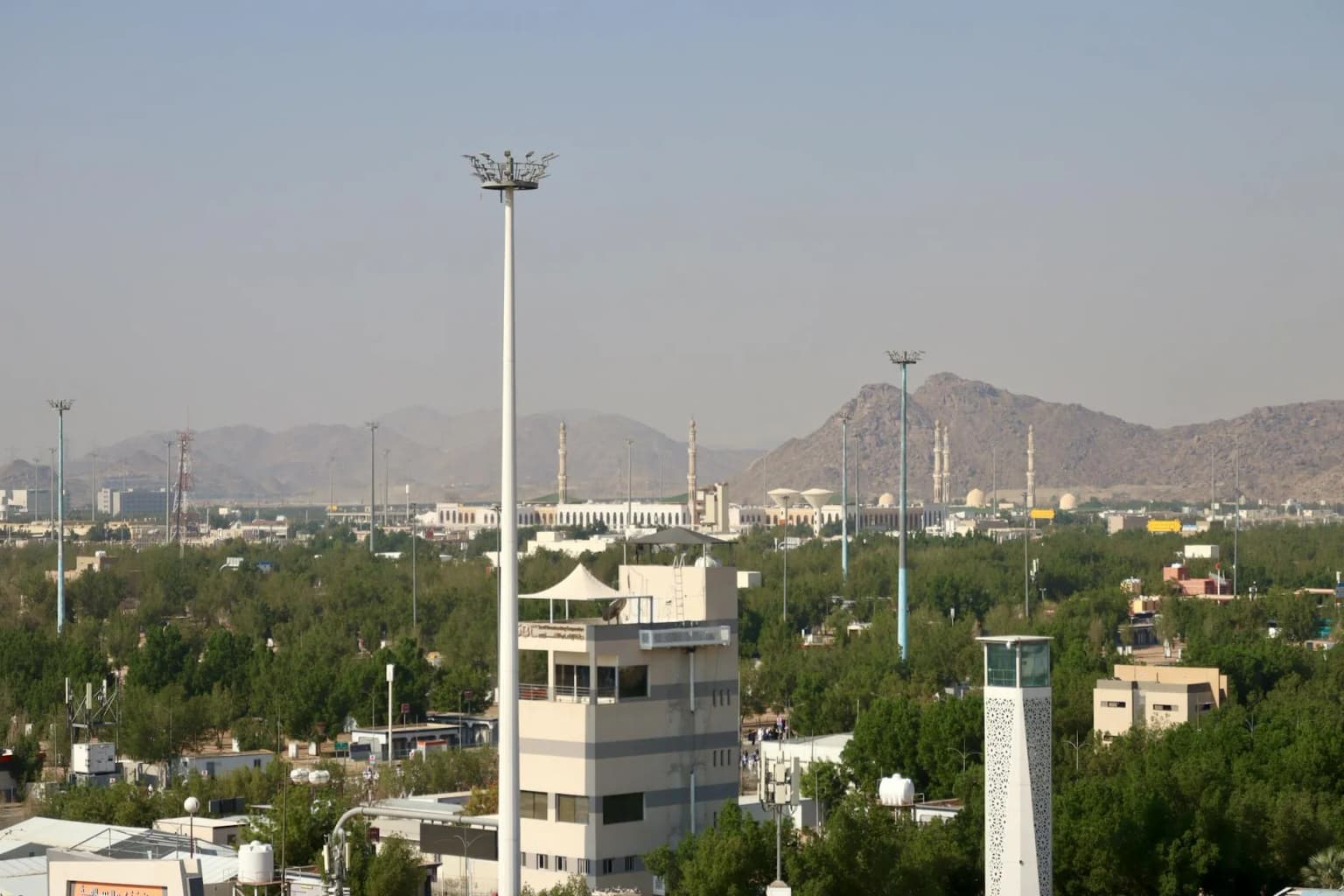
About Dhahran
Dhahran is where the first commercially viable oil well in Saudi Arabia was drilled in 1938, and it remains the headquarters of Saudi Aramco, the world's most valuable company. While small in population, Dhahran punches far above its weight in economic significance. The city is home to the King Fahd University of Petroleum and Minerals (KFUPM), one of the top technical universities in the Middle East, and the King Abdulaziz Center for World Culture (Ithra), a world-class cultural institution. Dhahran is essentially a company town, with much of the residential area consisting of Aramco's gated community compounds.
Home to Saudi Aramco's global headquarters and the prestigious King Fahd University, Dhahran is the epicenter of the world's petroleum industry and a center of technological excellence.
Located in Eastern Province, Dhahran is home to 150,000 residents. The local economy runs on oil & gas (upstream, downstream, chemicals), energy research & development, higher education, cultural institutions, engineering & technology, and the city has become a draw for international professionals looking for tax-free salaries and a growing quality of life. The expat community here numbers around ~50,000 expats (primarily Aramco employees and families) people, primarily from American, British, Indian, Pakistani.
For expats considering a move, Dhahran has clear upsides. Home to Saudi Aramco, the world's most valuable company. Excellent Aramco compound lifestyle with world-class amenities. KFUPM is a top-tier technical university. The flip side is worth knowing too: Very much a company town with limited independence. Hot and humid climate. None of this is a dealbreaker, but it helps to go in with realistic expectations. If you are in the early stages of planning, start with our guide to moving to Saudi Arabia and check the visa requirements for your nationality.
Things to Do in Dhahran
Dhahran is the historic birthplace of Saudi Arabia's oil industry and the headquarters of Saudi Aramco, the world's most valuable company. While primarily a company town, Dhahran is home to the King Abdulaziz Center for World Culture (Ithra), one of the Middle East's premier cultural institutions, making it a must-visit destination in the Eastern Province.
Cultural Center
Ithra (King Abdulaziz Center for World Culture)
Designed by the Norwegian firm Snohetta, Ithra is one of the most striking buildings in the Middle East. Its organic, pebble-shaped forms house a museum, library, cinema, theater, and world-class exhibition galleries. Built by Saudi Aramco on the exact spot where oil was first discovered in commercial quantities, Ithra has become a beacon of culture and creativity in the Kingdom.
Museum
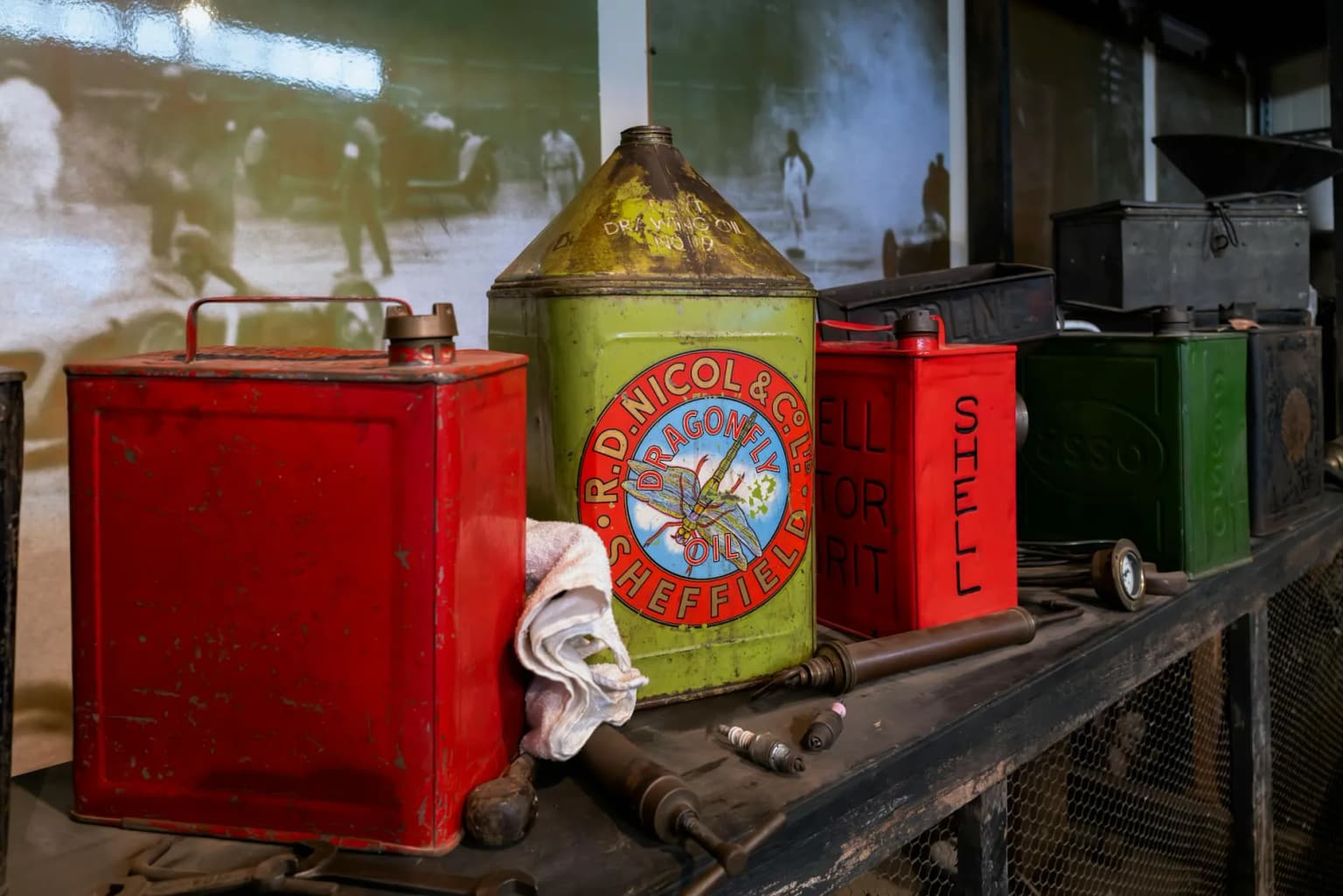
Saudi Aramco Exhibit
An interactive museum tracing the story of oil discovery in Saudi Arabia, from the early American geologists who arrived in the 1930s to the cutting-edge technology used in modern extraction. Interactive displays, scale models, and multimedia presentations explain how petroleum shaped the Kingdom and the modern world.
Natural Landscape
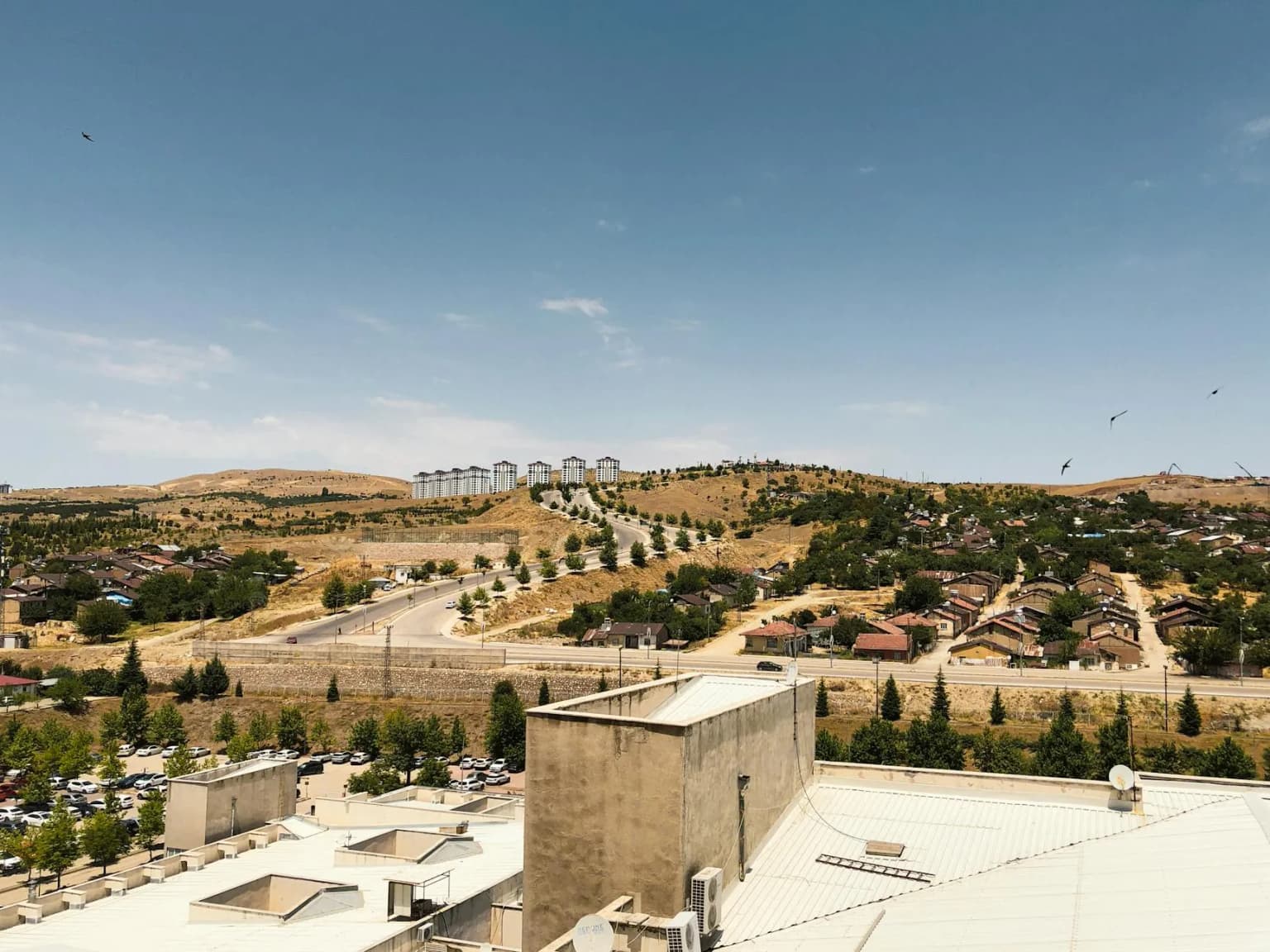
Dhahran Hills
A series of geological formations and rocky outcrops on the outskirts of Dhahran, offering hiking trails and panoramic views of the surrounding desert landscape. The layered sedimentary rocks tell a geological story millions of years old. Popular with photographers, especially during golden hour.
University Campus
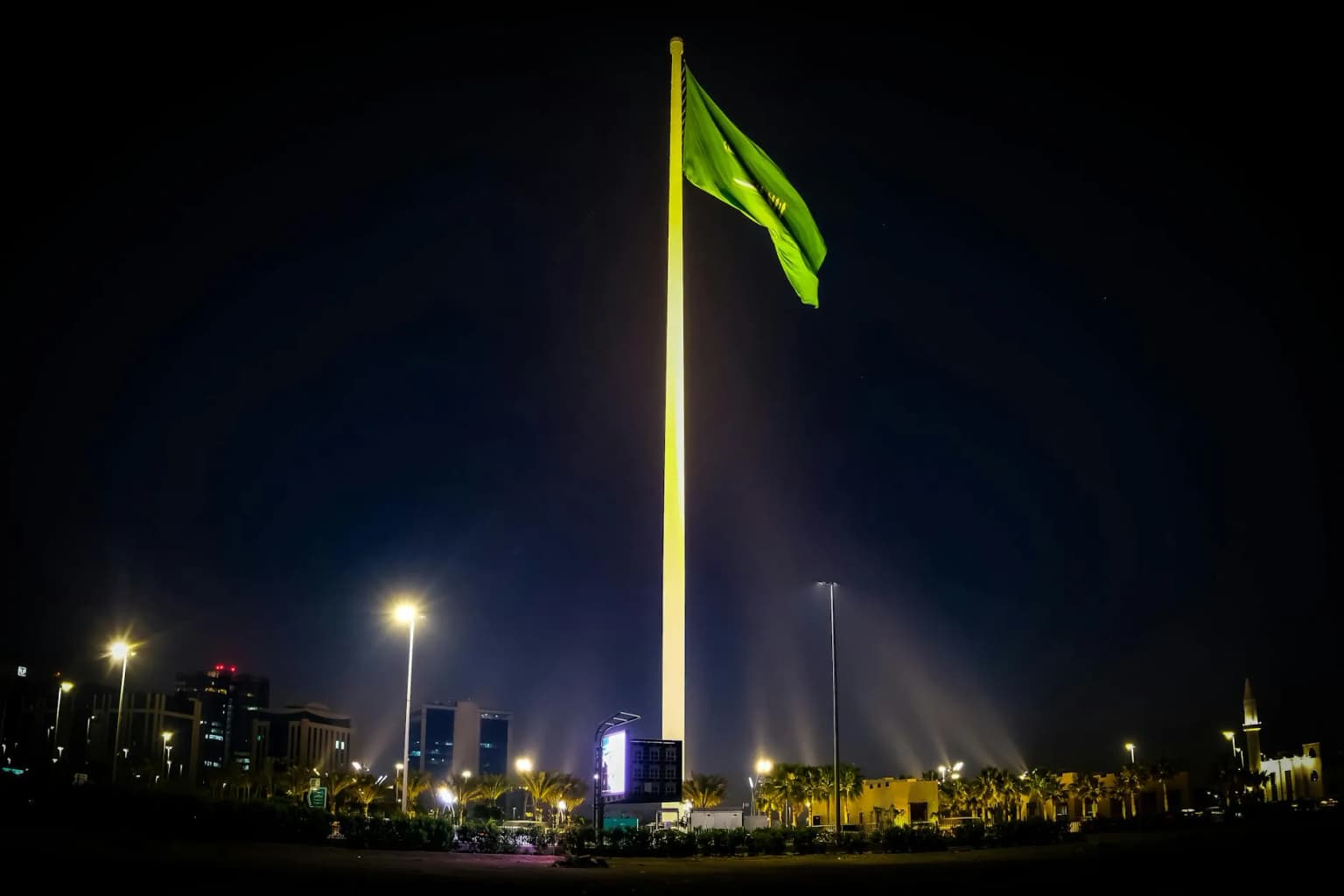
King Fahd University of Petroleum and Minerals (KFUPM)
One of the top-ranked technical universities in the Middle East, KFUPM's campus features notable modern architecture including a striking mosque, well-maintained gardens, and academic buildings set against the desert landscape. The campus is open for visits and provides a window into Saudi academic life.
Hidden Gems
Beyond the well-known landmarks, Dhahran has some lesser-known spots worth discovering:
Prosperity Well (Dammam No. 7)
The exact site where commercial quantities of oil were first struck in 1938, transforming Saudi Arabia from a desert kingdom into the world's energy superpower. A small monument marks the spot near Ithra. Most visitors walk right past it without realizing they are standing at the place that changed global history.
Dhahran Art District
A growing cluster of small galleries, studios, and creative spaces near Ithra that has emerged as part of the Eastern Province's arts scene. Local and regional artists display contemporary works inspired by Saudi heritage and modern life. Open hours vary, so check ahead.
Old Dhahran Camp Heritage Trail
A walking route through the original Saudi Aramco residential camp, passing mid-century American-style bungalows, community buildings, and landscaped areas that tell the story of the earliest oil workers who settled here in the 1930s and 1940s. Access may require coordination with Aramco, but the architecture and history are fascinating.
Day Trips from Dhahran
Dhahran sits at the center of the Dammam-Khobar-Dhahran metropolitan area, making the entire Eastern Province coast easily accessible. From waterfront corniches to ancient islands and pristine beaches, a wealth of day trip destinations are within a short drive.
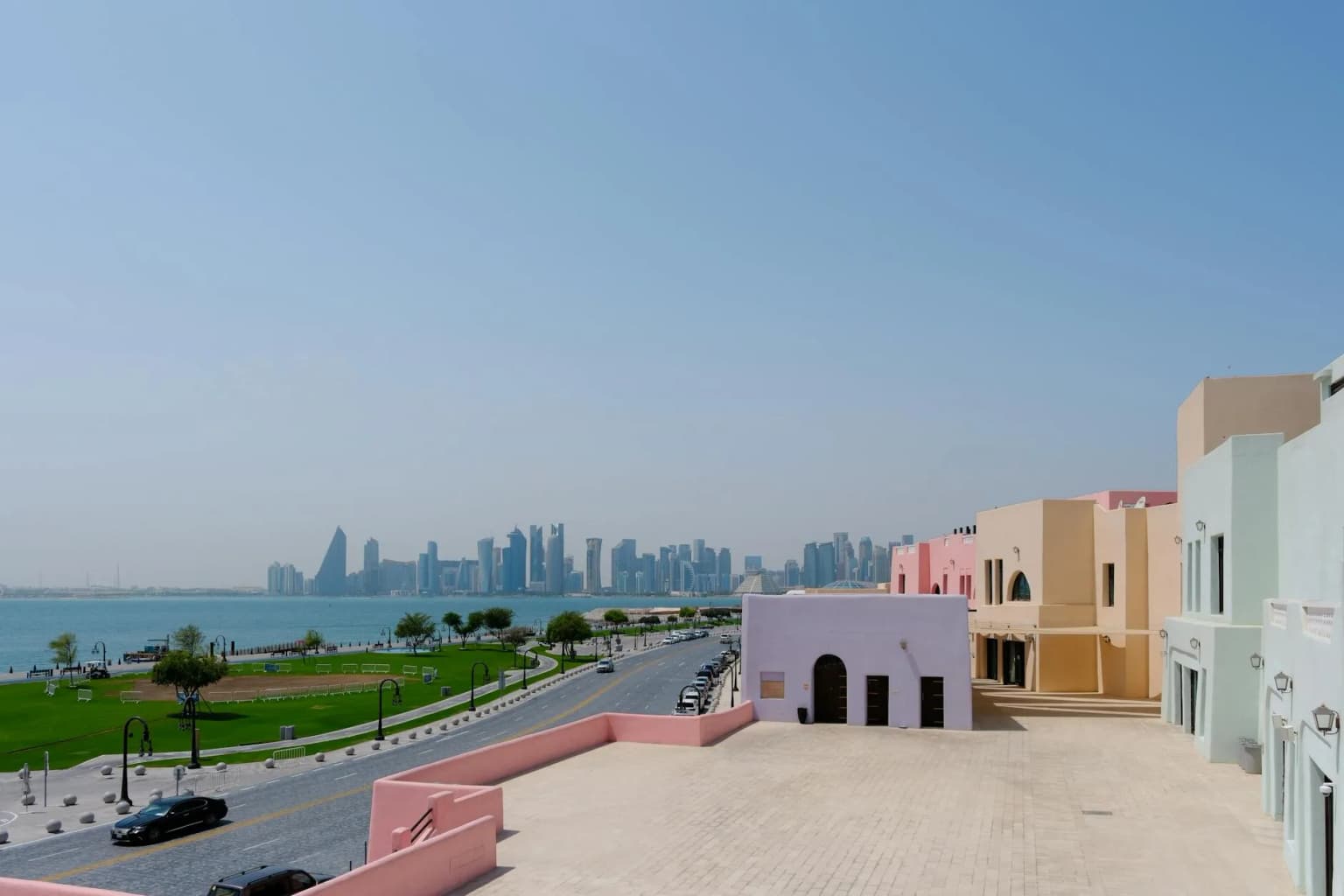
Khobar Corniche
The vibrant waterfront promenade in nearby Khobar is lined with restaurants, cafes, and parks. Enjoy Gulf views, fresh seafood, and a relaxed evening atmosphere. Just 10 minutes from Dhahran, it is the go-to dinner destination for the entire metro area.
6 miles (10 km) - 10 minutes drive
Dammam Corniche
The capital of the Eastern Province has its own impressive corniche stretching along the coast. Features parks, playgrounds, Heritage Village with traditional architecture, and the Coral Island accessible by boat.
12 miles (20 km) - 20 minutes drive

Half Moon Bay
A beautiful crescent-shaped bay with calm turquoise waters and sandy beaches. Ideal for swimming, kayaking, jet skiing, and beach picnics. Several resorts offer day-use facilities. A popular weekend escape for the entire metro area.
28 miles (45 km) - 35 minutes drive
For a complete list of attractions, restaurants, and detailed itineraries, check out our full guide to things to do in Dhahran.
Where to Eat in Dhahran
Dhahran's dining options are shaped by its identity as a company town. Most of the best restaurants are within the Aramco compound (accessible to employees and their guests) or in nearby Khobar, which is just 10 minutes away by car. The decades-long presence of international Aramco employees means the food reflects a mix of American, Indian, Filipino, and Gulf cuisines. For the best dining experience in the area, head to Khobar's Corniche.
Local dishes you should try include Machboos (gulf-style spiced rice with dried lime (loomi), turmeric, and saffron, served with fish or chicken, 30-50 SAR), American-style Comfort Food (the decades-long american presence through aramco has left its mark on dhahran's food culture, 25-60 SAR), Indian Curry and Biryani (the large south asian community within aramco's workforce has created a demand for authentic indian cuisine, 20-40 SAR), and Filipino Adobo and Sinigang (filipino restaurants and canteens serve homestyle dishes from the philippines, reflecting one of the largest expat communities in the aramco workforce, 15-35 SAR).
Restaurant Recommendations
Some places worth trying: Ithra Cafe in Ithra (a modern cafe inside the king abdulaziz center for world culture serving specialty coffee, light meals, and pastries, 30-60 SAR per person), Al Romansiah in Near Dhahran Mall (reliable saudi chain with consistently good kabsa, mandi, and traditional dishes, 35-60 SAR per person), Khobar Corniche Restaurants in Khobar (10 min drive) (most visitors to dhahran head to nearby khobar (10 minutes) for the evening meal, 40-120 SAR per person), and Mall of Dhahran Food Court in Mall of Dhahran (a convenient option with a wide variety of fast-casual dining, 20-50 SAR per person).
Dining Tips
Dhahran itself has limited standalone restaurants compared to Khobar and Dammam. Plan to eat in Khobar for dinner, which is only a 10-minute drive.
Ithra has a cafe and occasional food events that are worth checking out during your museum visit.
Restaurants in the area accept card payments (mada, Visa, Mastercard, Apple Pay). Tipping of 10% is appreciated but not mandatory.
Restaurants close briefly during the five daily prayer times for about 20-30 minutes.
There is no alcohol anywhere in Saudi Arabia.
Cost of Living in Dhahran
Living costs in Dhahran are Housing often subsidized or provided by Aramco; out-of-pocket costs lower for Aramco employees compared to other major cities in the Gulf. A comfortable monthly budget falls between 5,000-15,000 SAR, covering rent, food, transport, and day-to-day expenses. Compared to Dubai, you can expect to spend 30-50% less. Compared to Abu Dhabi, 20-40% less. And with zero personal income tax in Saudi Arabia, your purchasing power goes further than the numbers suggest.
Housing
Rent for a one-bedroom apartment ranges from 3,000-10,000 SAR (Aramco housing is often provided to employees), depending on the neighborhood and apartment quality. City center locations and modern compounds are more expensive but offer better amenities and shorter commutes. Suburban standalone apartments give you more space for less money. Most landlords expect annual rent, often paid in 1-4 post-dated checks, and utilities run about Often included in Aramco housing packages per month. For details on how the process works, see our rental guide for Saudi Arabia.
Groceries, Food & Transport
A meal at a mid-range restaurant costs 25-100 SAR per meal (many Aramco subsidized dining options). Monthly grocery shopping averages 600-1,200 SAR per month, with major supermarket chains like Tamimi, Panda, Danube, and Carrefour available. Transportation costs are Company buses within Aramco; private car for external travel - fuel is very affordable, ride-hailing through Uber and Careem works well, and most expats drive or use apps to get around.
Monthly Budget Breakdown
| Rent (1BR apartment) | 3,000-10,000 SAR (Aramco housing is often provided to employees) |
| Utilities | Often included in Aramco housing packages |
| Groceries | 600-1,200 SAR per month |
| Transportation | Company buses within Aramco; private car for external travel |
| Restaurant meal | 25-100 SAR per meal (many Aramco subsidized dining options) |
| Total monthly budget | 5,000-15,000 SAR |
Use our cost of living calculator to get a personalized estimate based on your lifestyle.
Best Neighborhoods in Dhahran
Where you live matters. Dhahran has neighborhoods that range from gated expat compounds with pools and security to vibrant city center districts within walking distance of restaurants and offices. The right choice depends on your budget, whether you have a family, and how you want to live day-to-day.
| Neighborhood | Rent Level | Description |
|---|---|---|
| Aramco Residential Camp | Company-provided | Saudi Aramco's gated residential compound with American-style housing, schools, golf course, swimming pools, and recreational facilities. |
| KFUPM Campus Housing | University-provided | Faculty and student housing within the KFUPM campus, with university amenities. |
| Al Dana District | Medium-High | Residential area outside the compounds with modern apartments and proximity to commercial areas. |
| Doha District | Medium | Mixed residential area between Dhahran and Dammam with more affordable housing options. |
District Map
If you are coming with family, expat compounds are the path of least resistance. They come with security, shared amenities, social events, and other families in the same situation as you. If you are single or a couple without kids, a modern apartment in a central district puts you closer to restaurants, offices, and city life. Either way, visit the neighborhood in person before signing a lease. Drive around at different times of day, check the commute to your office, and look at what is nearby.
Jobs & Career Opportunities
The job market in Dhahran is active, with an unemployment rate of Very low; most residents are employed by Aramco or KFUPM. Average salaries sit around 12,000-35,000 SAR (Aramco packages include housing and benefits), and because Saudi Arabia has no personal income tax, what you earn is what you keep. Saudization (Nitaqat) policies mean companies must hire a percentage of Saudi nationals, but many sectors still recruit heavily from abroad - especially in oil & gas (upstream, downstream, chemicals), energy research & development, higher education.
Major employers in Dhahran include Saudi Aramco, King Fahd University of Petroleum and Minerals (KFUPM), Ithra (King Abdulaziz Center for World Culture), Aramco contractor companies, Johns Hopkins Aramco Healthcare. These companies regularly hire international talent and often provide comprehensive packages including housing, transportation allowances, annual flights home, and medical insurance for the whole family.
The fastest growing sectors are petroleum engineering & technology, energy research & development, artificial intelligence & data science, renewable energy research, cybersecurity, cultural industries, all driven by the Kingdom's Vision 2030 diversification strategy. If your skills align with any of these, you will find the job market receptive.
How to Find Work
LinkedIn is the primary recruitment channel in Saudi Arabia - update your profile with Dhahran or Saudi Arabia as your preferred location. Major recruitment agencies like Hays, Robert Half, and Michael Page operate across the Kingdom. Bayt.com, GulfTalent, and Naukrigulf are the most used regional job boards. Apply directly on company career pages for the big employers. Networking matters more here than in most places - join professional groups, attend industry events, and connect with people already working in Dhahran.
Work Culture
The work week runs Sunday to Thursday, typically 8 hours per day with reduced hours during Ramadan. You get a minimum of 21 days annual leave, increasing to 30 days after 5 years with the same employer. Typical expat packages include housing, transport, annual flights, medical insurance, and education allowances for children. When your contract ends, you receive an end-of-service gratuity based on your years of employment. For more on what to expect, read our Saudi working culture guide.
Getting Around Dhahran
Dhahran is a compact city and part of the larger Dammam-Khobar-Dhahran metropolitan area. It is small enough that most attractions are within a short drive of each other. There is no public transport system, so a car or ride-hailing app is essential for getting around the metro area.
Ride-hailing (Uber & Careem): The easiest option for visitors. Both apps work well in the Dammam-Khobar-Dhahran area. Trips within Dhahran are short and inexpensive. Cost: 8-15 SAR within Dhahran, 15-25 SAR to Khobar, 25-40 SAR to Dammam.
Car rental: Useful for exploring the wider Eastern Province. Major rental companies operate at King Fahd International Airport and in nearby Khobar. Roads are excellent and well-signposted. Cost: 100-150 SAR per day for a basic sedan, fuel ~2.3 SAR/liter.
Walking: Possible within the Ithra complex and KFUPM campus. Dhahran Hills are walkable for hikers. Not practical for getting between attractions due to distances and heat. Cost: Free.
Taxi: Traditional taxis are available but less common than ride-hailing. Agree on the fare before getting in, or insist on the meter. Cost: 10-30 SAR for local trips.
King Fahd International Airport (DMM) is located about 25 minutes northwest of Dhahran. It serves both domestic and international flights. A ride-hailing trip from the airport to Dhahran costs approximately 40-70 SAR. The airport is served by Saudi Airlines (Saudia), flynas, flyadeal, and major international carriers.
Dhahran is small and easy to navigate by car. The main roads connecting to Khobar (10 minutes) and Dammam (20 minutes) are wide, well-maintained highways. Parking is generally easy to find. Some areas near the Aramco compound may have restricted access, so follow signage and security instructions.
Intercity travel: The SAR train connects nearby Dammam station to Riyadh (about 4 hours). SAPTCO buses serve intercity routes. Domestic flights from King Fahd International Airport connect to Riyadh, Jeddah, and other Saudi cities. Khobar is 10 minutes away and Dammam 20 minutes, making the entire metro area easily accessible.
Expat Life in Dhahran
Dhahran has a well-established international community of around ~50,000 expats (primarily Aramco employees and families) people, with the largest groups coming from American, British, Indian, Pakistani, Filipino, Canadian, French. This is not a city where you will feel isolated. There are active expat groups, compound communities, professional networks, and social clubs that make it straightforward to build a social life from scratch.
Local groups like Aramco Expat Community, KFUPM International, Dhahran Social Club, Aramco Professionals Network organize regular social events, cultural activities, and networking opportunities. Compound living provides built-in community with sports leagues, family events, and shared facilities. If you live independently, online communities on Facebook and WhatsApp are the fastest way to connect with other expats in your area.
Dhahran's culture is uniquely shaped by Saudi Aramco's legacy, creating a blend of Saudi traditions and international corporate culture. The Ithra cultural center has become a landmark institution, hosting world-class art exhibitions, film festivals, and educational programs. The Aramco compound culture has its own distinct character, with a cosmopolitan community that has existed since the 1930s.
Healthcare
Dhahran is served by Johns Hopkins Aramco Healthcare (JHAH), one of the most advanced healthcare systems in the Middle East, available to Aramco employees and dependents. The facility operates with the same standards as Johns Hopkins Medicine in the United States. Employer-provided medical insurance is mandatory by law, and most private hospitals and clinics have English-speaking staff. Emergency services are available around the clock, and pharmacies are well-stocked and often open late.
Education
Dhahran has 1 major universities, including King Fahd University of Petroleum and Minerals (consistently ranked among top universities in the Arab world and globally for engineering). For expat families, international schools offering British, American, IB, and other curricula are available, along with nurseries and early childhood centers. School fees vary widely, but many employer packages include an education allowance.
Your First Month
When you first arrive, the priority list is straightforward: get your iqama (residence permit) processed through your employer, open a Saudi bank account, register on the Absher platform for government services, get a Saudi SIM card (STC, Mobily, or Zain), and either convert your driving license or start the process of getting a Saudi driving license. Most of this can be sorted within the first few weeks if your employer's PRO (public relations officer) is on top of things.
Climate & Practical Information
Summers in Dhahran are extremely hot and humid, 100-118°f (38-48°c / 100-118°f) (june-september), while winters are mild, 54-75°f (12-24°c / 54-75°f) (november-february). The city experiences very low, ~80mm annually. The best time to visit or move is between October and April when the weather is most pleasant.
Popular destinations near Dhahran include Khobar Corniche and Waterfront, Bahrain via King Fahd Causeway, Half Moon Bay Beach, Al Ahsa Oasis (UNESCO), Dammam Corniche and Coral Island. These are accessible for day trips or weekend getaways and give you a sense of the region beyond the city itself.
Useful Contacts
Emergency services: 911 (Riyadh and Eastern Province) or 999 (other regions). Traffic Police: 993. Ambulance: 997. Fire: 998. Essential apps include Absher (government services), Tawakkalna (digital ID), and your bank's app for managing payments through the mada network.
Ready to Move to Dhahran?
Tax-free salaries, a growing international community, and a city that is changing fast. Start planning your move today.
Tours & Activities in Dhahran
Discover the best tours, excursions, and activities available in and around Dhahran. From cultural experiences to desert adventures, find something for every interest.