
About Al Kharj
Al Kharj is located about 48 miles (77 km) south of Riyadh and has grown rapidly as a satellite city of the capital. The city sits atop substantial groundwater reserves, making it one of Saudi Arabia's most productive agricultural areas, famous for dairy farming (Al Safi Danone operates the world's largest integrated dairy farm here), poultry, and date cultivation. Al Kharj also hosts the Prince Sultan Air Base, one of the region's most important military installations. Its proximity to Riyadh, combined with much lower housing costs, makes it attractive to families and workers who commute to the capital.
A fast-growing city south of Riyadh, Al Kharj is one of Saudi Arabia's most important agricultural centers and home to a significant military base, offering affordable living close to the capital.
Located in Riyadh Region, Al Kharj is home to 400,000 residents. The local economy runs on agriculture & dairy farming, military & defense, food processing, logistics & distribution, poultry & livestock, small manufacturing, and the city has become a draw for international professionals looking for tax-free salaries and a growing quality of life. The expat community here numbers around ~30,000 expats people, primarily from Indian, Pakistani, Bangladeshi, Filipino.
For expats considering a move, Al Kharj has clear upsides. Very affordable cost of living. Close to Riyadh (48 miles / 77 km, about 1 hour drive). Center of Saudi agriculture and dairy industry. The flip side is worth knowing too: Limited local entertainment and cultural amenities. Commute to Riyadh required for many jobs. None of this is a dealbreaker, but it helps to go in with realistic expectations. If you are in the early stages of planning, start with our guide to moving to Saudi Arabia and check the visa requirements for your nationality.
Things to Do in Al Kharj
Al Kharj, located about 48 miles (77 km) south of Riyadh, is one of Saudi Arabia's most important agricultural regions. Known for its natural springs, date farms, and dairy production (it's home to Almarai, one of the world's largest dairy companies), Al Kharj offers a glimpse into Saudi Arabia's agricultural heartland.
Natural Spring
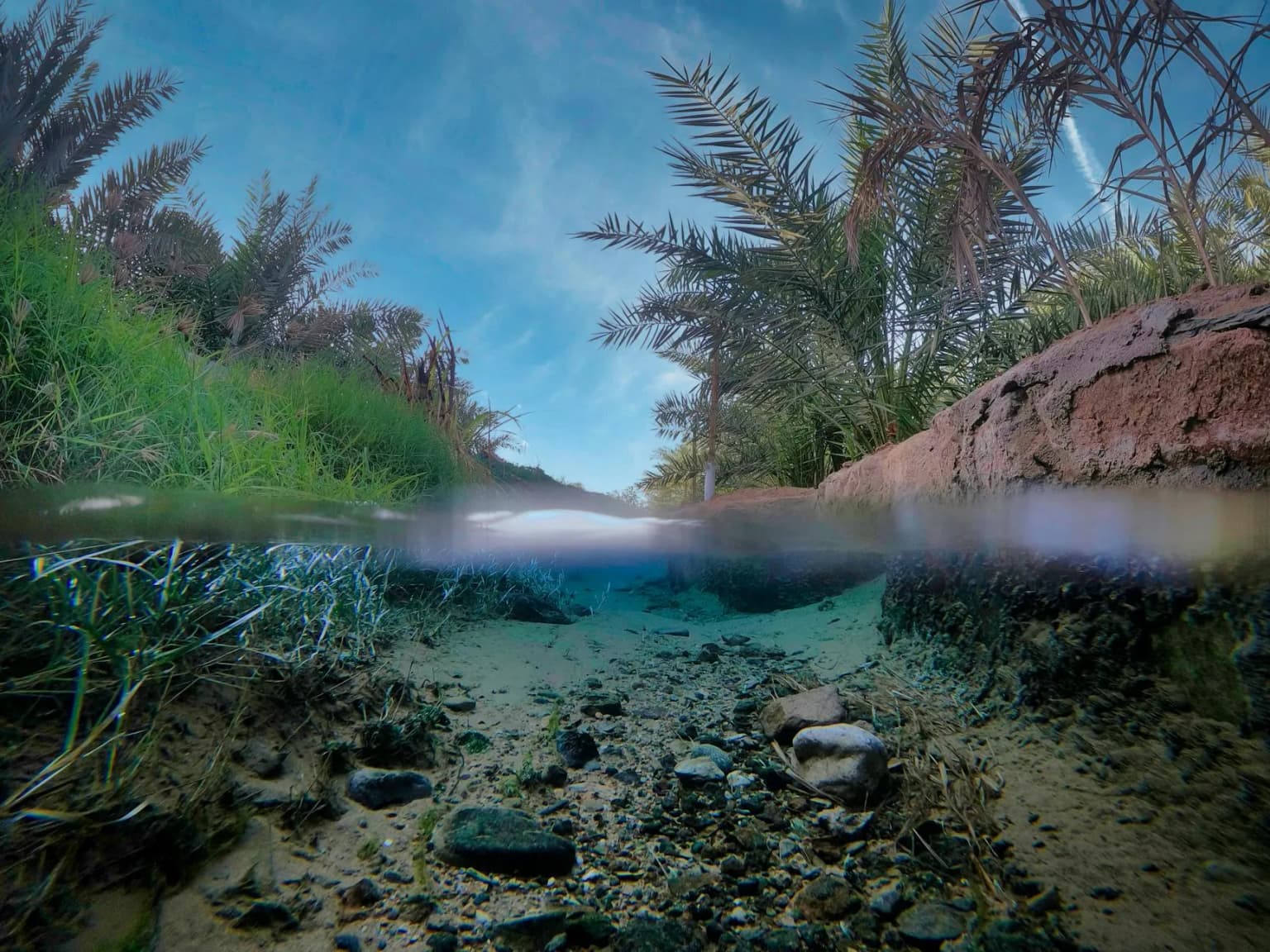
Al Kharj Springs (Ain Al-Dhelaa)
One of Saudi Arabia's most remarkable natural features, the Al Kharj springs are freshwater pools that have sustained agriculture in this region for thousands of years. The turquoise oasis pools sit amid an arid landscape, creating a striking contrast. The springs were historically a vital stop on ancient trade routes and remain an important water source for local farming.
Tip: Visit in the early morning for the best light and cooler temperatures. The pools are for viewing, not swimming.
Agricultural Tourism
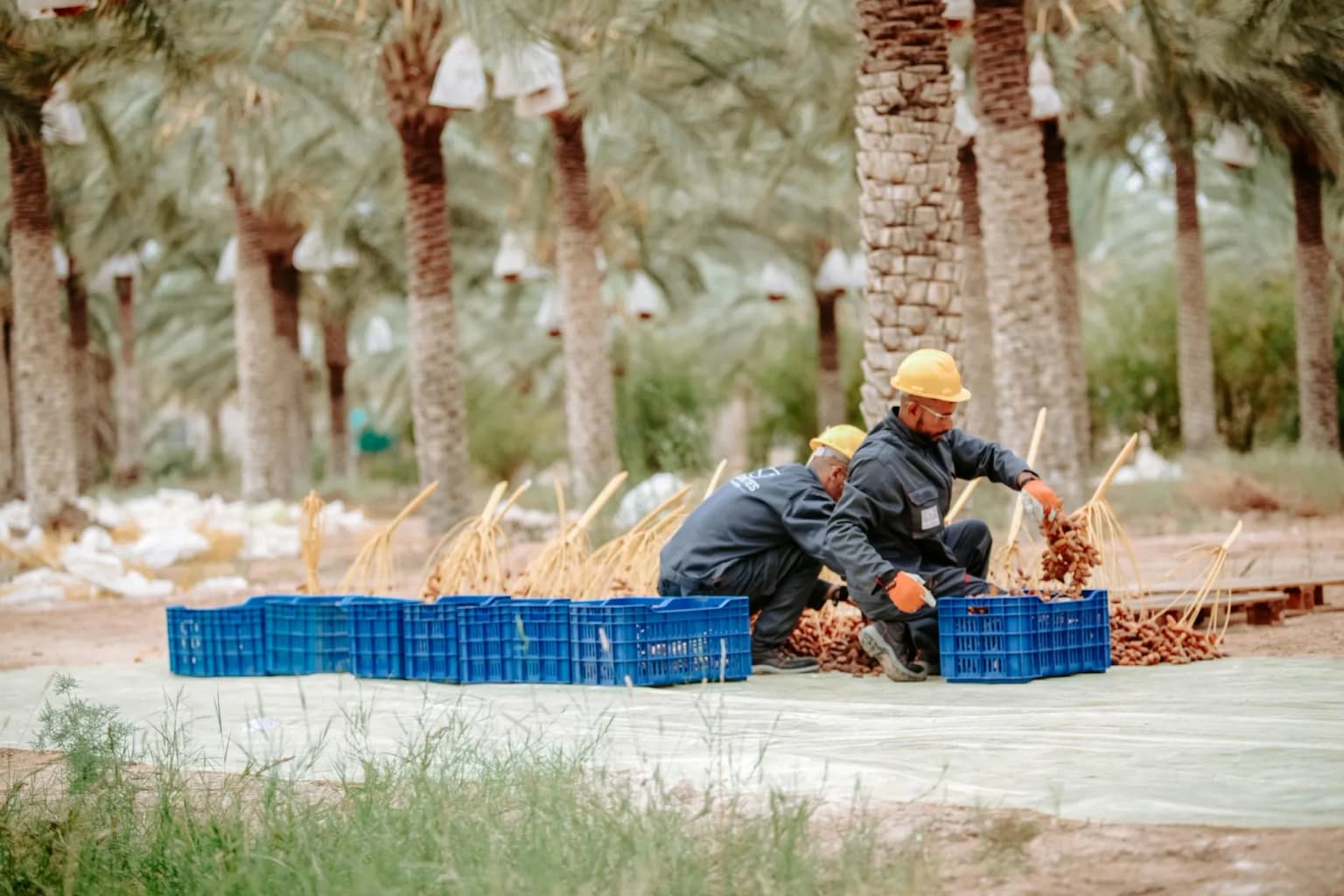
Date Farms
Al Kharj's extensive date palm plantations stretch across the fertile land fed by the region's springs. During harvest season (August to October), visitors can tour working farms, observe traditional and modern harvesting methods, and sample dozens of date varieties straight from the trees. The region produces some of Saudi Arabia's finest Khalas and Sukkari dates.
Tip: Harvest season (August-October) is the best time to visit. Ask permission before entering private farms - most farmers are happy to show visitors around.
Historic Fort
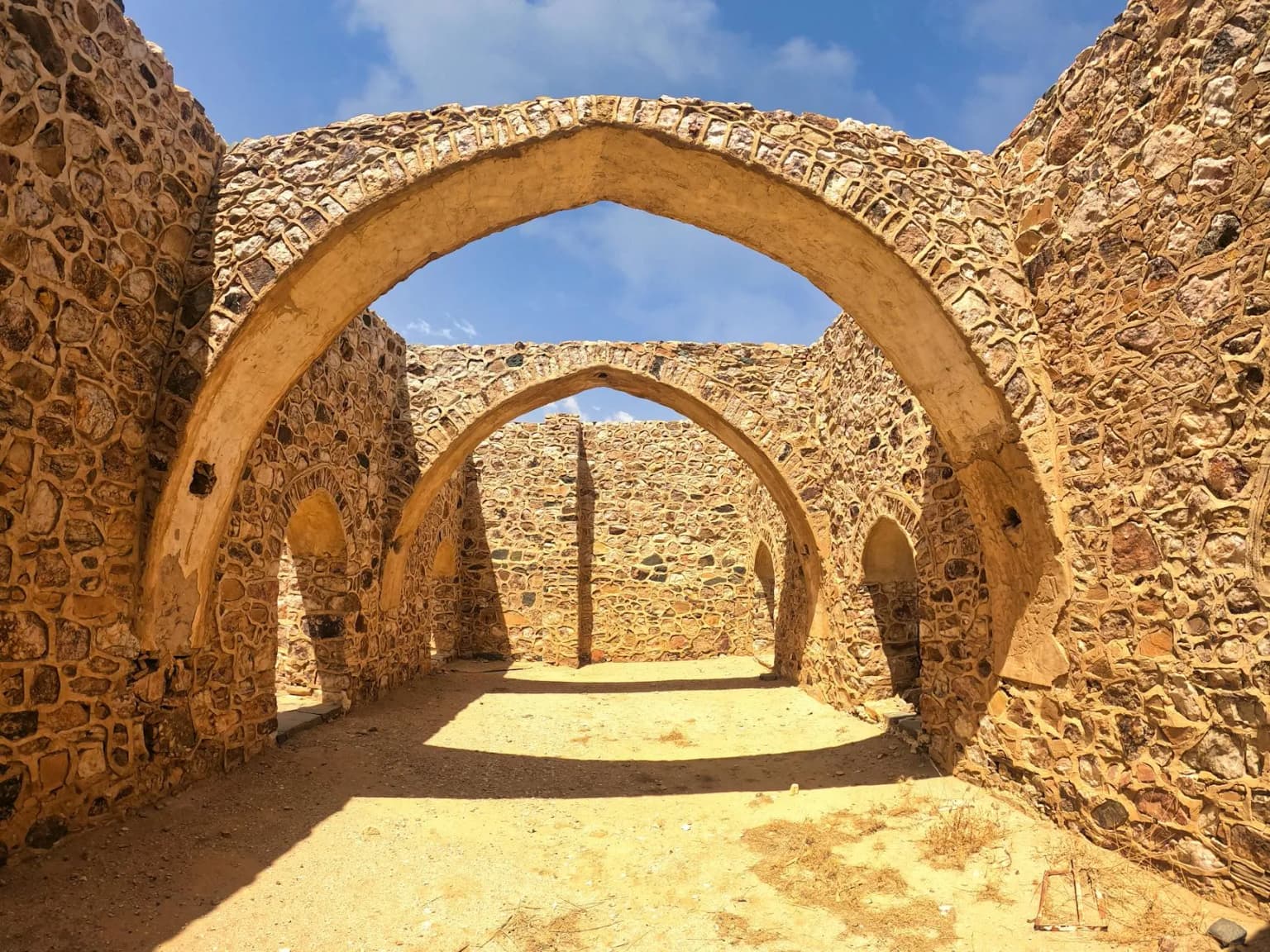
Historical Forts
Al Kharj's restored mud-brick forts showcase traditional Najdi defensive architecture. Built centuries ago to protect the agricultural settlements and water sources, these forts feature thick walls, watchtowers, and narrow defensive openings. They offer a tangible connection to the region's history as a strategically important oasis settlement.
Tip: Best visited in the late afternoon when the mud-brick walls glow warmly in the setting sun.
Hidden Gems
Beyond the well-known landmarks, Al Kharj has some lesser-known spots worth discovering:
Almarai Farm Visitor Area
Almarai, the world's largest vertically integrated dairy company, was founded in Al Kharj in 1977. While the main production facilities are not open to the public, the visitor area near the headquarters offers insight into how a small desert dairy operation grew into a multinational giant. Fresh Almarai products taste noticeably different here, straight from the source.
Old Al Kharj Souq
A quiet traditional market in the old town center where local farmers sell fresh dates, honey, camel milk, and seasonal produce. Unlike the polished souqs of Riyadh, this market retains its authentic character with simple stalls and local vendors who have traded here for generations.
WWII Airfield Remnants
During World War II, Al Kharj hosted an important American airfield used as a staging base. While little remains of the original structures, the flat desert terrain where the runways once stood is still visible, and local knowledge can guide you to scattered remnants. It is a fascinating piece of Saudi-American military history rarely mentioned in guidebooks.
Day Trips from Al Kharj
Al Kharj's proximity to Riyadh means the capital's extensive attractions are easily accessible for day trips. In the other direction, the open desert offers adventure activities among dramatic red sand dunes. Most visitors to Al Kharj combine it as a day trip from Riyadh rather than using it as a base.
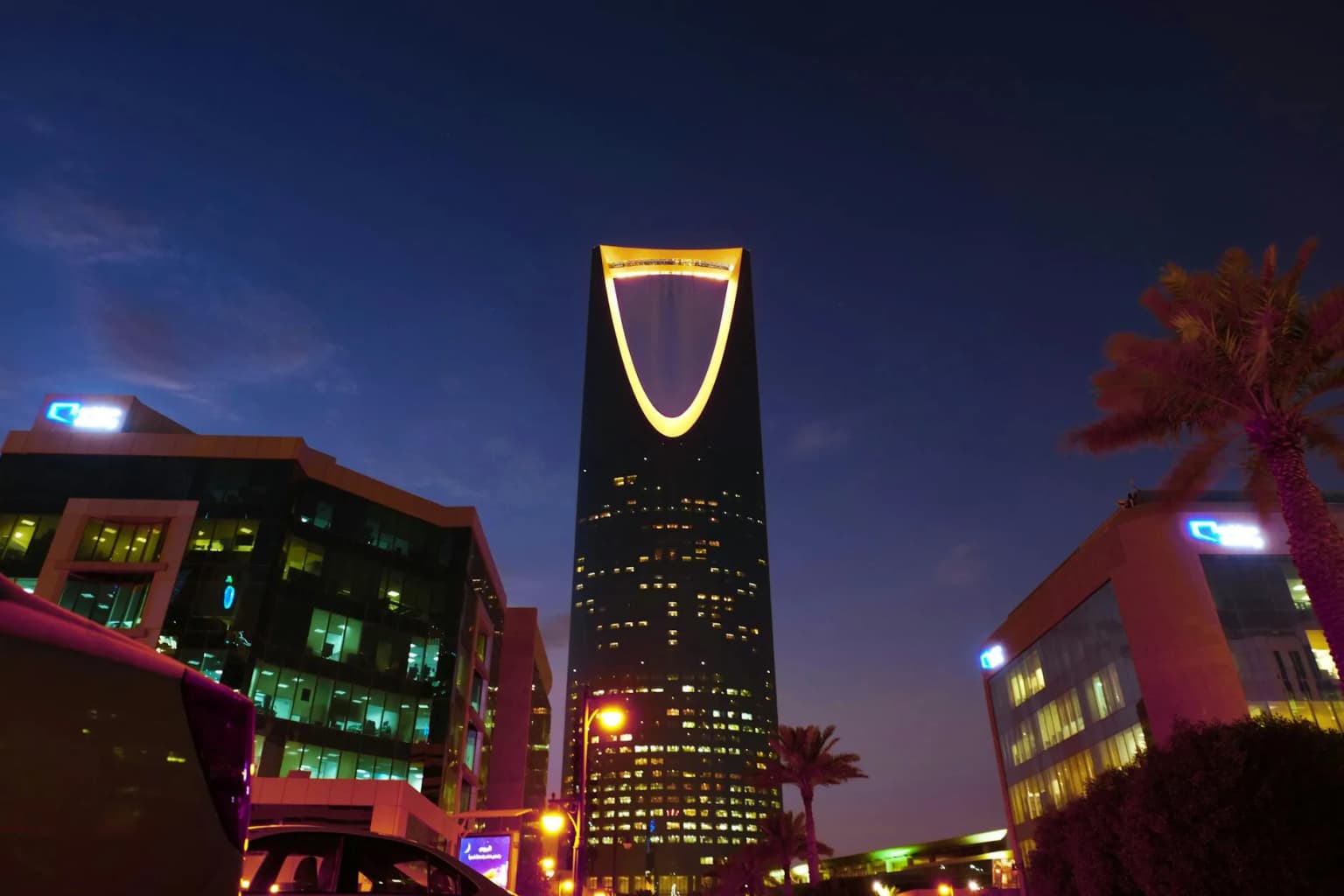
Riyadh
Saudi Arabia's capital city offers world-class attractions including the National Museum, Diriyah UNESCO site, and modern entertainment districts. Al Kharj residents regularly commute to Riyadh for shopping, dining, and cultural activities.
48 miles (77 km) north - 1 hour drive

Red Sand Dunes
The spectacular red sand dunes southeast of Riyadh are a popular desert adventure destination accessible from Al Kharj. Dune bashing, sandboarding, and sunset photography draw both locals and tourists to these striking crimson formations.
75 miles (120 km) - 1.5 hours drive
For a complete list of attractions, restaurants, and detailed itineraries, check out our full guide to things to do in Al Kharj.
Where to Eat in Al Kharj
Al Kharj's food scene is defined by its agricultural abundance. As the heartland of Saudi dairy production and surrounded by date palm plantations, the ingredients here are about as fresh and local as you can get in the Kingdom. Dining is simple and traditional - do not expect fine dining restaurants, but do expect honest Najdi cooking with dairy products and dates that taste better here than anywhere else in Saudi Arabia.
Local dishes you should try include Kabsa (the quintessential najdi dish of slow-cooked spiced rice with tender lamb or chicken, prepared here with a focus on fresh local ingredients, 25-40 SAR), Fresh Dates with Laban (al kharj's freshly harvested dates paired with locally produced laban (buttermilk) or fresh milk from the region's dairy farms, 10-20 SAR), Jareesh (a traditional crushed wheat porridge slow-cooked with meat and spices until it reaches a creamy consistency, 20-35 SAR), and Almarai Fresh Dairy (being at the headquarters of almarai means access to the freshest dairy products in the kingdom, 5-15 SAR).
Restaurant Recommendations
Some places worth trying: Al Kharj Traditional Restaurant in Al Kharj center (a simple, family-run establishment serving authentic najdi kabsa and grilled meats, 40-80 SAR for two), Date Farm Cafeterias in Agricultural areas (several date farms along the main agricultural roads operate small cafeterias during harvest season, serving dates, arabic coffee, and simple meals, 20-40 SAR), and Highway Restaurants in Riyadh-Al Kharj Highway (the riyadh-al kharj highway has several large roadside restaurants popular with travelers, serving generous portions of kabsa, grilled chicken, and freshly baked bread at reasonable prices, 30-60 SAR for two).
Dining Tips
Al Kharj is a working agricultural town, not a tourist destination. Restaurants are simple and traditional - embrace the no-frills atmosphere.
Buy fresh dates directly from farms during harvest season (August-October) for the best prices and freshest product in all of Saudi Arabia.
Restaurants observe prayer time closures. Plan your meals accordingly, especially during afternoon prayers.
Most dining here is family-style on floor cushions. Remove your shoes before entering the seating area.
Carry cash for small farm stalls and date vendors. Card payment is less common in agricultural areas.
Cost of Living in Al Kharj
Living costs in Al Kharj are 40-50% cheaper than Riyadh; one of the most affordable cities in central Saudi Arabia compared to other major cities in the Gulf. A comfortable monthly budget falls between 2,500-7,000 SAR, covering rent, food, transport, and day-to-day expenses. Compared to Dubai, you can expect to spend 30-50% less. Compared to Abu Dhabi, 20-40% less. And with zero personal income tax in Saudi Arabia, your purchasing power goes further than the numbers suggest.
Housing
Rent for a one-bedroom apartment ranges from 1,000-3,500 SAR, depending on the neighborhood and apartment quality. City center locations and modern compounds are more expensive but offer better amenities and shorter commutes. Suburban standalone apartments give you more space for less money. Most landlords expect annual rent, often paid in 1-4 post-dated checks, and utilities run about 150-300 SAR per month per month. For details on how the process works, see our rental guide for Saudi Arabia.
Groceries, Food & Transport
A meal at a mid-range restaurant costs 10-50 SAR per meal. Monthly grocery shopping averages 400-800 SAR per month, with major supermarket chains like Tamimi, Panda, Danube, and Carrefour available. Transportation costs are Private car essential; fuel costs for Riyadh commute ~300-500 SAR/month - fuel is very affordable, ride-hailing through Uber and Careem works well, and most expats drive or use apps to get around.
Monthly Budget Breakdown
| Rent (1BR apartment) | 1,000-3,500 SAR |
| Utilities | 150-300 SAR per month |
| Groceries | 400-800 SAR per month |
| Transportation | Private car essential; fuel costs for Riyadh commute ~300-500 SAR/month |
| Restaurant meal | 10-50 SAR per meal |
| Total monthly budget | 2,500-7,000 SAR |
Use our cost of living calculator to get a personalized estimate based on your lifestyle.
Best Neighborhoods in Al Kharj
Where you live matters. Al Kharj has neighborhoods that range from gated expat compounds with pools and security to vibrant city center districts within walking distance of restaurants and offices. The right choice depends on your budget, whether you have a family, and how you want to live day-to-day.
| Neighborhood | Rent Level | Description |
|---|---|---|
| City Center | Low-Medium | Main commercial area with souqs, mosques, and government offices. |
| Al Dilam Road area | Low | Residential area with very affordable housing and growing amenities. |
| Agricultural Zone | Low | Areas near farms with spacious properties, very affordable, rural character. |
| Military Housing Area | Government-provided | Housing area near Prince Sultan Air Base, primarily for military personnel and their families. |
District Map
If you are coming with family, expat compounds are the path of least resistance. They come with security, shared amenities, social events, and other families in the same situation as you. If you are single or a couple without kids, a modern apartment in a central district puts you closer to restaurants, offices, and city life. Either way, visit the neighborhood in person before signing a lease. Drive around at different times of day, check the commute to your office, and look at what is nearby.
Jobs & Career Opportunities
The job market in Al Kharj is active, with an unemployment rate of Moderate; agriculture and military are main employers. Average salaries sit around 4,000-10,000 SAR, and because Saudi Arabia has no personal income tax, what you earn is what you keep. Saudization (Nitaqat) policies mean companies must hire a percentage of Saudi nationals, but many sectors still recruit heavily from abroad - especially in agriculture & dairy farming, military & defense, food processing.
Major employers in Al Kharj include Prince Sultan Air Base (PSAB), Al Safi Danone (dairy), Almarai (dairy and food), Al Kharj Agricultural Development, Military and defense contractors, Local government. These companies regularly hire international talent and often provide comprehensive packages including housing, transportation allowances, annual flights home, and medical insurance for the whole family.
The fastest growing sectors are agriculture & food production, dairy & poultry farming, military & defense, logistics (riyadh corridor), small & medium enterprises, education, all driven by the Kingdom's Vision 2030 diversification strategy. If your skills align with any of these, you will find the job market receptive.
How to Find Work
LinkedIn is the primary recruitment channel in Saudi Arabia - update your profile with Al Kharj or Saudi Arabia as your preferred location. Major recruitment agencies like Hays, Robert Half, and Michael Page operate across the Kingdom. Bayt.com, GulfTalent, and Naukrigulf are the most used regional job boards. Apply directly on company career pages for the big employers. Networking matters more here than in most places - join professional groups, attend industry events, and connect with people already working in Al Kharj.
Work Culture
The work week runs Sunday to Thursday, typically 8 hours per day with reduced hours during Ramadan. You get a minimum of 21 days annual leave, increasing to 30 days after 5 years with the same employer. Typical expat packages include housing, transport, annual flights, medical insurance, and education allowances for children. When your contract ends, you receive an end-of-service gratuity based on your years of employment. For more on what to expect, read our Saudi working culture guide.
Getting Around Al Kharj
Al Kharj is a small city and a car is essential for getting around. The town itself is compact, but the springs, date farms, and historical sites are spread across the surrounding agricultural landscape. Most visitors come as a day trip from Riyadh, which is just 48 miles (77 km) to the north.
Car rental / private car: The only practical way to explore Al Kharj and its surrounding attractions. Roads are flat, straight, and well-maintained. A sedan is sufficient for all main roads. Cost: 100-150 SAR per day rental, fuel ~2.3 SAR/liter.
Ride-hailing (limited): Uber and Careem have very limited availability in Al Kharj. You may find a ride in the town center, but do not rely on these apps for reaching farms or springs. Cost: 15-30 SAR within town.
Day trip from Riyadh: Most visitors drive from Riyadh via the well-maintained Route 65. The 48-mile (77 km) drive takes about one hour and passes through open desert before reaching Al Kharj's green agricultural zone. Cost: Fuel only if driving your own car.
Al Kharj does not have a commercial airport. The nearest airport is King Khalid International Airport (RUH) in Riyadh, approximately 62 miles (100 km) to the north. From Riyadh airport, Al Kharj is about a 1.5-hour drive. Arrange car rental at Riyadh airport if planning to visit Al Kharj independently.
The drive from Riyadh to Al Kharj is straightforward on a divided highway. Within Al Kharj, roads to farms and springs can be narrow and unpaved in places. Watch for slow-moving agricultural vehicles and livestock on rural roads. GPS navigation is helpful as some farm roads lack clear signage.
Intercity travel: Al Kharj is connected to Riyadh by a well-maintained highway (Route 65), making the 48-mile (77 km) journey a comfortable one-hour drive. SAPTCO bus services run between Riyadh and Al Kharj, though the schedule is limited. Most visitors drive or arrange private transport from Riyadh.
Expat Life in Al Kharj
Al Kharj has a well-established international community of around ~30,000 expats people, with the largest groups coming from Indian, Pakistani, Bangladeshi, Filipino, Egyptian. This is not a city where you will feel isolated. There are active expat groups, compound communities, professional networks, and social clubs that make it straightforward to build a social life from scratch.
Local groups like Al Kharj Community, Riyadh Region Agricultural Workers Network organize regular social events, cultural activities, and networking opportunities. Compound living provides built-in community with sports leagues, family events, and shared facilities. If you live independently, online communities on Facebook and WhatsApp are the fastest way to connect with other expats in your area.
Al Kharj retains a traditional Najdi character with deep agricultural roots. The city is known for its date festivals, traditional souqs, and the heritage of desert oasis farming. Local life revolves around agriculture, family, and community, with a conservative and close-knit social environment.
Healthcare
Al Kharj has King Khalid Hospital and several primary care centers. For specialized medical care, residents typically travel to Riyadh. Healthcare facilities are adequate for routine care but limited compared to major cities. Employer-provided medical insurance is mandatory by law, and most private hospitals and clinics have English-speaking staff. Emergency services are available around the clock, and pharmacies are well-stocked and often open late.
Education
Al Kharj has 1 major universities, including Prince Sattam bin Abdulaziz University (comprehensive public university with faculties in Al Kharj and surrounding areas). For expat families, international schools offering British, American, IB, and other curricula are available, along with nurseries and early childhood centers. School fees vary widely, but many employer packages include an education allowance.
Your First Month
When you first arrive, the priority list is straightforward: get your iqama (residence permit) processed through your employer, open a Saudi bank account, register on the Absher platform for government services, get a Saudi SIM card (STC, Mobily, or Zain), and either convert your driving license or start the process of getting a Saudi driving license. Most of this can be sorted within the first few weeks if your employer's PRO (public relations officer) is on top of things.
Climate & Practical Information
Summers in Al Kharj are extremely hot and dry, 104-122°f (40-50°c / 104-122°f), june-september, while winters are cool to mild, 46-72°f (8-22°c / 46-72°f) with cold nights, november-february. The city experiences very low, ~80mm annually; occasional winter rain. The best time to visit or move is between October and April when the weather is most pleasant.
Popular destinations near Al Kharj include Riyadh (Capital City), Al Kharj Springs, Date Palm Farms, Al Safi Dairy Farm, Desert Camping Areas. These are accessible for day trips or weekend getaways and give you a sense of the region beyond the city itself.
Useful Contacts
Emergency services: 911 (Riyadh and Eastern Province) or 999 (other regions). Traffic Police: 993. Ambulance: 997. Fire: 998. Essential apps include Absher (government services), Tawakkalna (digital ID), and your bank's app for managing payments through the mada network.
Ready to Move to Al Kharj?
Tax-free salaries, a growing international community, and a city that is changing fast. Start planning your move today.
Tours & Activities in Al Kharj
Discover the best tours, excursions, and activities available in and around Al Kharj. From cultural experiences to desert adventures, find something for every interest.