Loading...
Join our Facebook Group: Join: Expats in Saudi Arabia
Loading...
Saudi Arabia has one of the most underrated food scenes in the Middle East. Forget everything you think you know about Gulf cuisine being limited to rice and grilled meat. The Kingdom offers an extraordinary range of flavors shaped by Bedouin traditions, Hijazi coastal influences, centuries of Hajj pilgrimage bringing dishes from across the Muslim world, and a rapidly growing modern restaurant scene that rivals any global city.
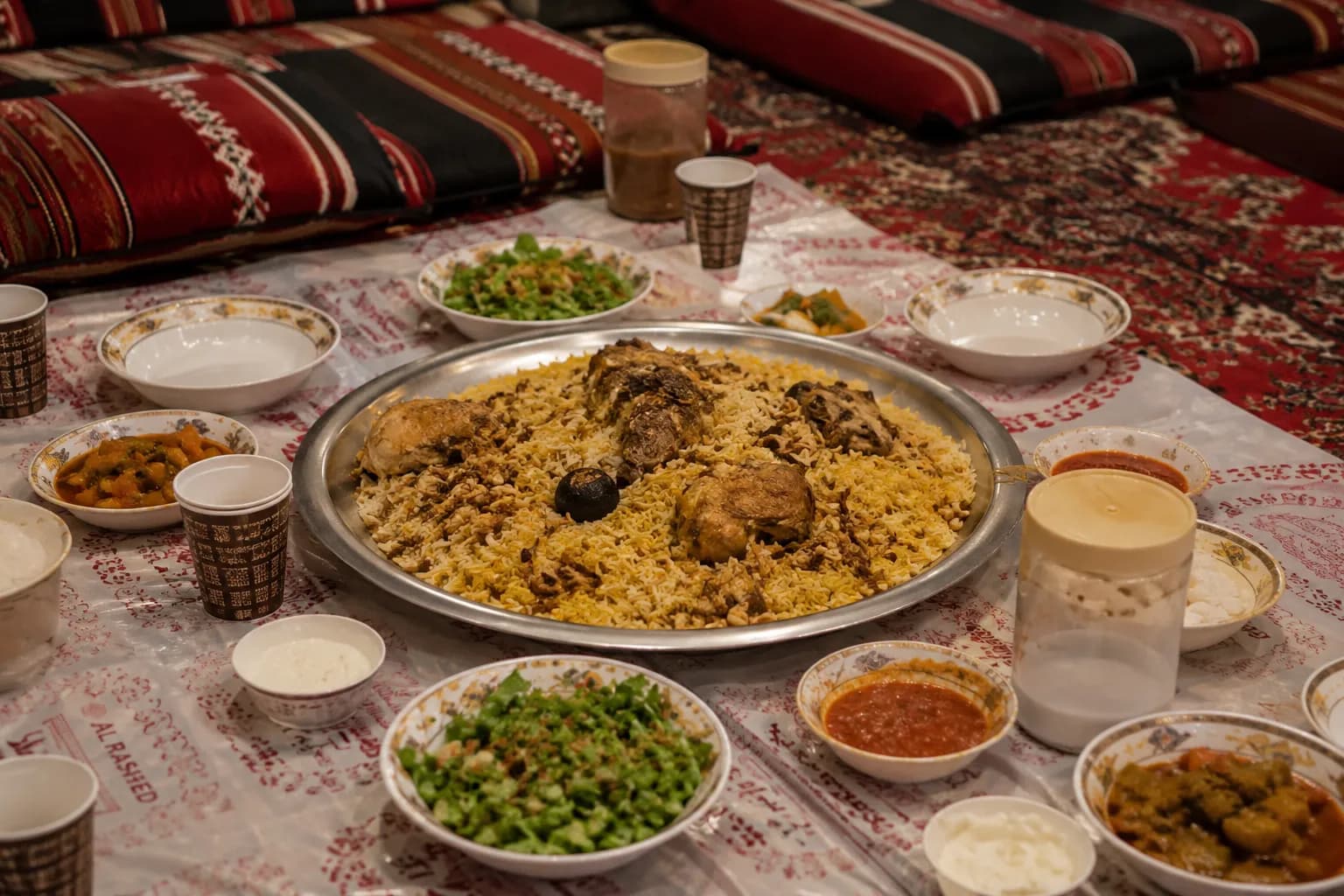
If Saudi Arabia has a national dish, it is kabsa. This is the meal you will encounter everywhere, from family gatherings to restaurant menus to workplace lunches. At its core, kabsa is long-grain rice (usually basmati) cooked with a complex spice blend including cardamom, cloves, cinnamon, black lime (loomi), saffron, and bay leaves, served with slow-cooked meat on top. The meat is most commonly chicken or lamb, though goat and camel are also traditional.
What makes kabsa special is not its complexity but its depth. The rice absorbs the flavors of the meat broth and spices during cooking, creating something far more aromatic and layered than plain rice with meat on the side. Every family has their own version, and regional variations exist across the Kingdom. In the Najd region (central Saudi Arabia, including Riyadh), kabsa tends to be more heavily spiced. In the Hijaz (western region), the flavors can be lighter and more influenced by Yemeni and East African traditions.
A proper kabsa is served on a large communal platter, often garnished with fried almonds, pine nuts, and raisins. It typically comes with a tomato-based sauce called daqqus on the side, along with fresh salad and yogurt. You eat it with your right hand, forming small balls of rice and meat. In restaurants, expect to pay 25-45 SAR per person for a good kabsa. At places like Al Romansiah or Al Tazaj, a family platter feeds 3-4 people for around 80-120 SAR.
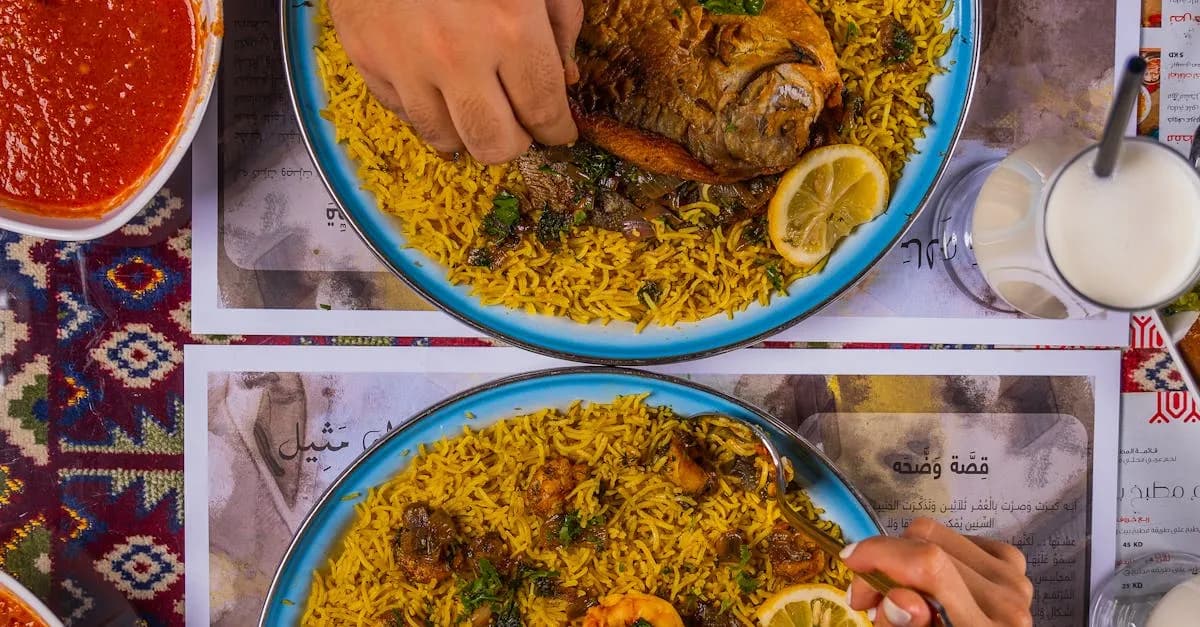
Mandi is kabsa's close cousin, originally from the Hadhramaut region of Yemen but now deeply embedded in Saudi cuisine. The key difference is the cooking method: mandi meat is traditionally cooked in a tandoor-style underground pit (taboon), where it slow-roasts over charcoal while the rice cooks below, absorbing the dripping juices and smoke. The result is incredibly tender, fall-off-the-bone meat with a subtle smoky flavor that kabsa does not have.
In Saudi restaurants, mandi is usually offered with lamb or chicken. The lamb version is considered the premium choice and costs more (40-70 SAR per person vs. 25-40 SAR for chicken). The rice in mandi is typically lighter in color than kabsa rice, with a more delicate, smoky aroma. You will find dedicated mandi restaurants across the Kingdom, many of them run by families with Yemeni heritage. Some of the best mandi in Saudi Arabia is found in Jeddah, where the Yemeni community is large and well-established.
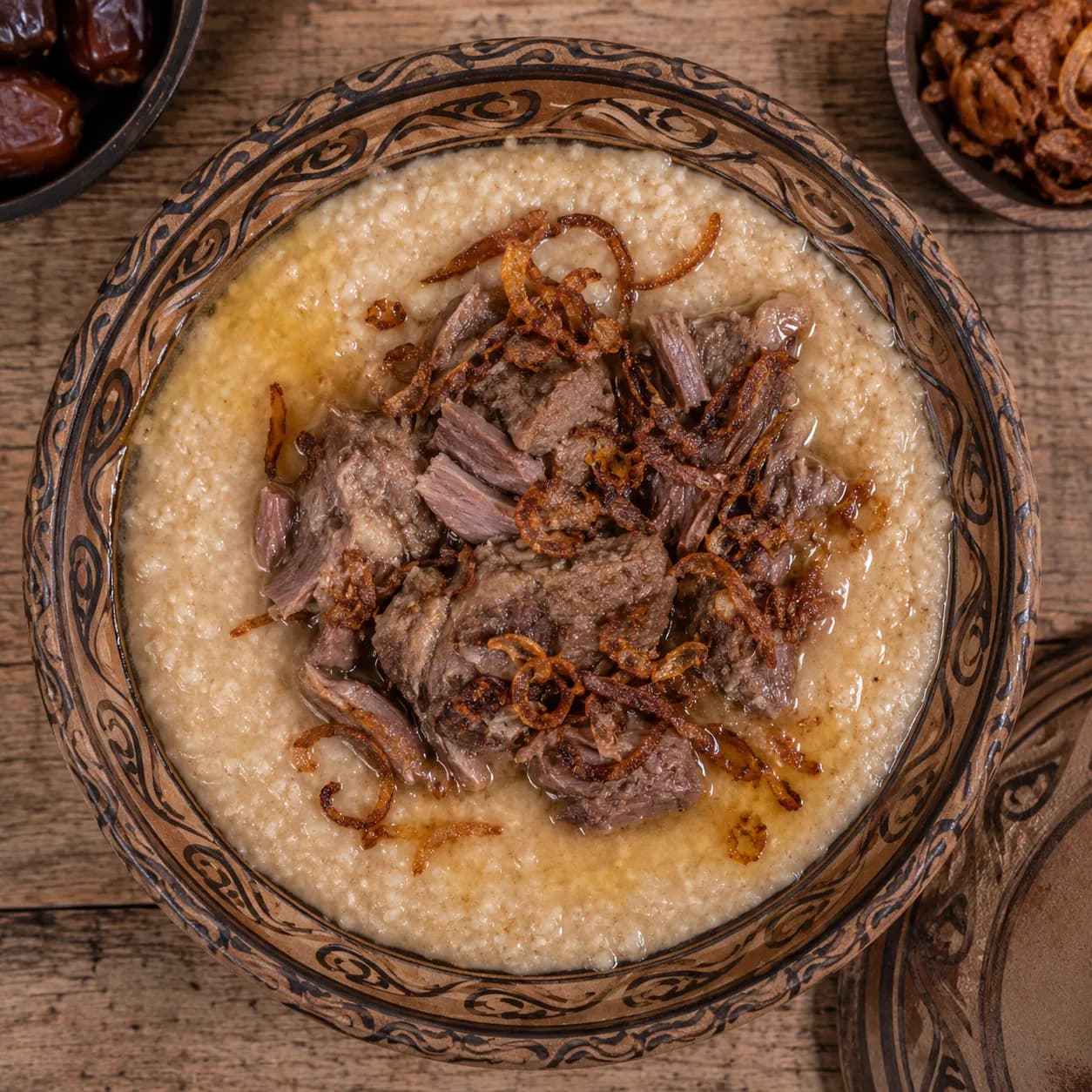
Jareesh (also spelled jarish) is one of those dishes that most tourists never try but locals absolutely love. It is made from crushed wheat cooked slowly with yogurt, butter, and meat until it reaches a thick, porridge-like consistency. Think of it as Saudi Arabia's answer to risotto, but heartier and more rustic. The texture can be surprising at first if you are expecting something like rice, but the deep savory flavor is addictive. Jareesh is considered comfort food in Saudi Arabia and is especially popular during Ramadan.
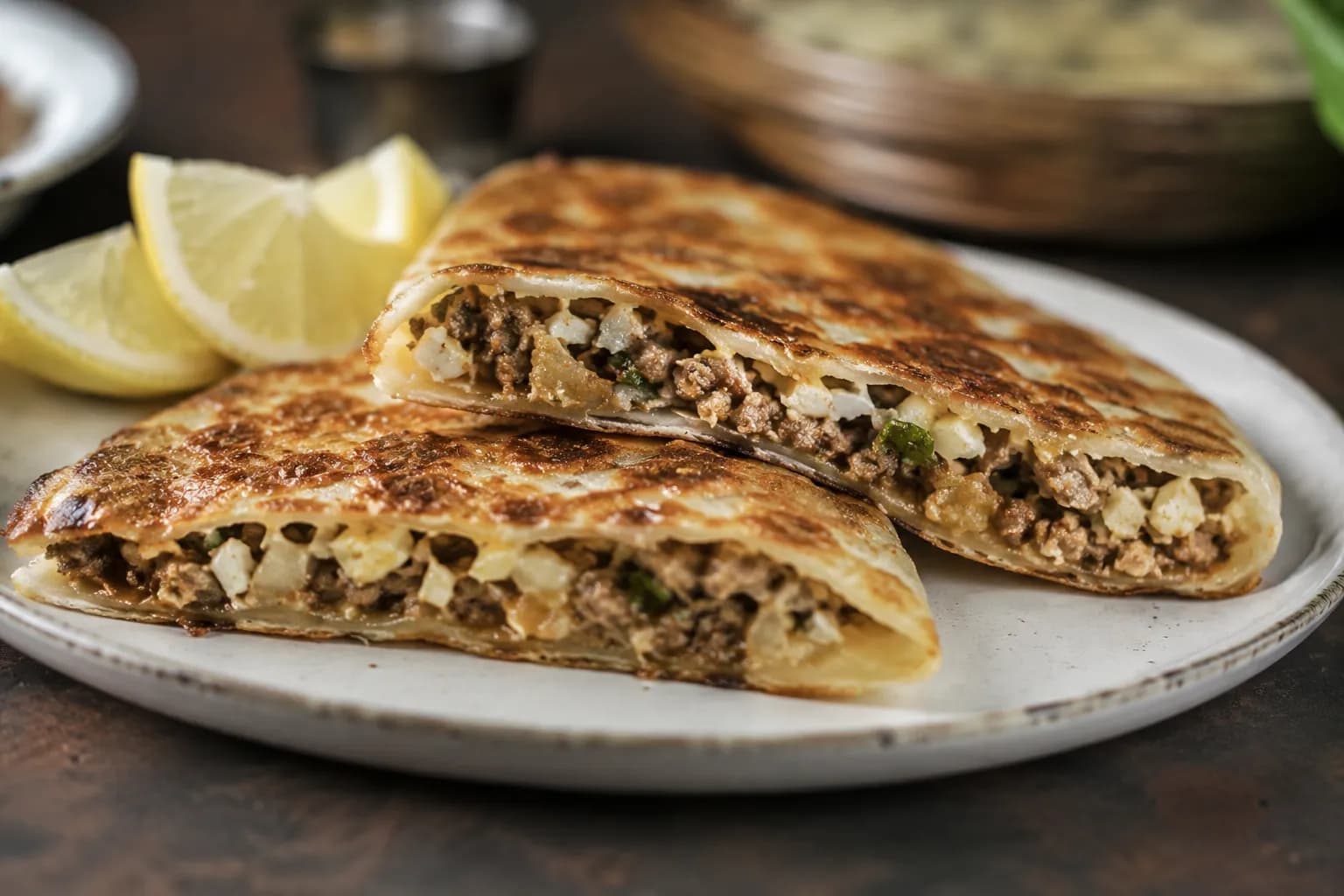
Mutabbaq (meaning “folded”) is a stuffed pancake that is one of the most popular street foods in the Kingdom. A thin dough is filled with either a savory mixture (minced meat, onions, eggs, and spices) or a sweet filling (banana, cheese, honey), then folded and pan-fried until golden and crispy. The savory version is fantastic as a quick lunch or snack, while the sweet version with honey drizzle is essentially a dessert. You will find mutabbaq stalls and small restaurants everywhere, especially in Jeddah and Mecca. Prices are modest, usually 5-15 SAR depending on size and filling.
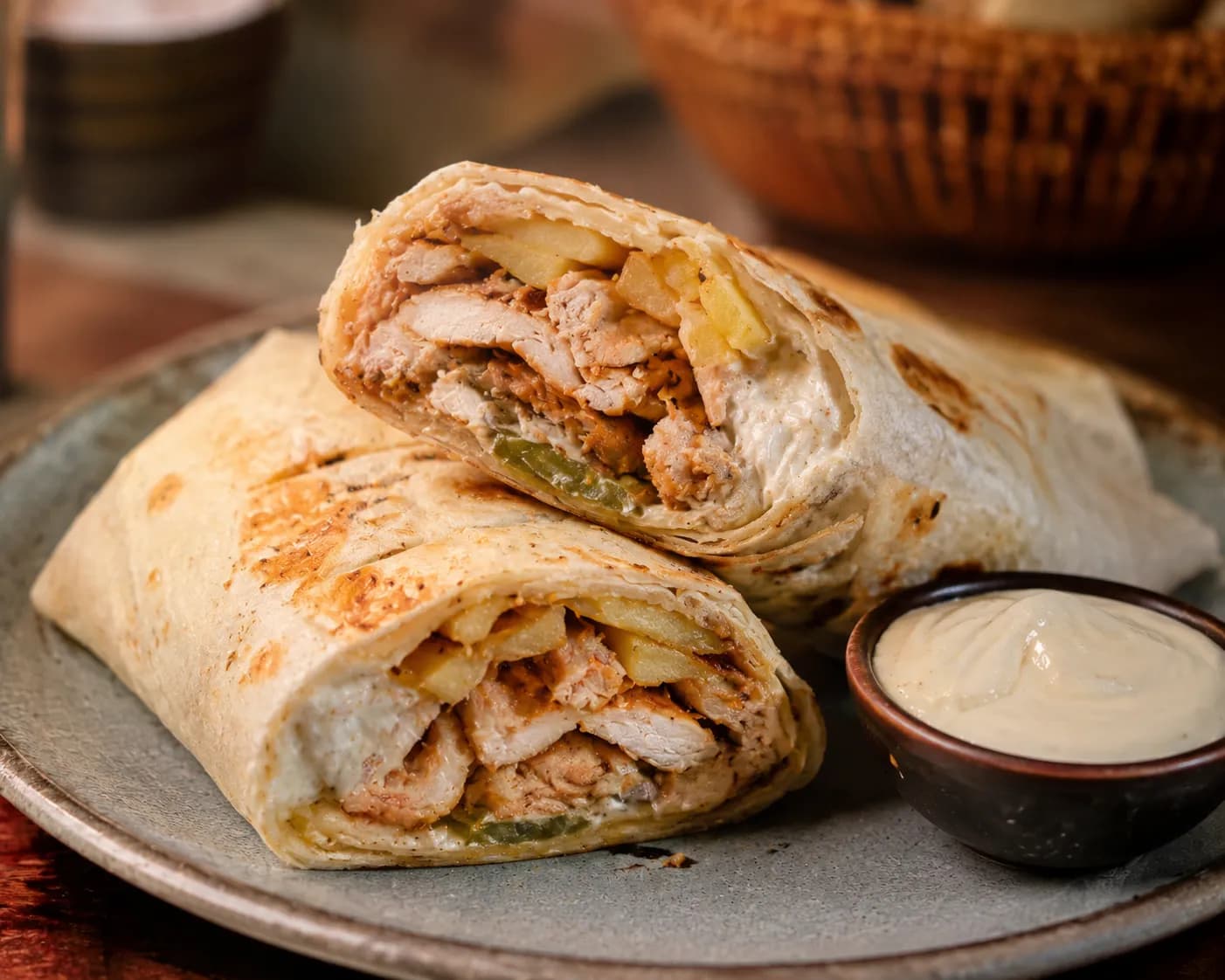
Saudi Arabia's shawarma scene is genuinely excellent. While shawarma exists across the Middle East, the Saudi version has its own character. Thinly sliced marinated meat (chicken or lamb) is stacked on a vertical rotisserie, shaved off to order, and served in a flatbread wrap with garlic sauce, pickles, and sometimes fries tucked inside. A good chicken shawarma sandwich costs just 5-10 SAR, making it arguably the best-value meal in the country.
The quality varies enormously between places. The tiny hole-in-the-wall shops often make the best shawarma, sometimes just a counter with a single rotisserie and a queue of people out the door. Chain restaurants like Shawarmer and Shawarma Plus offer consistent quality, but the real gems are the independent places that locals line up for. Ask anyone in your neighborhood where the best shawarma is and you will get a passionate answer.
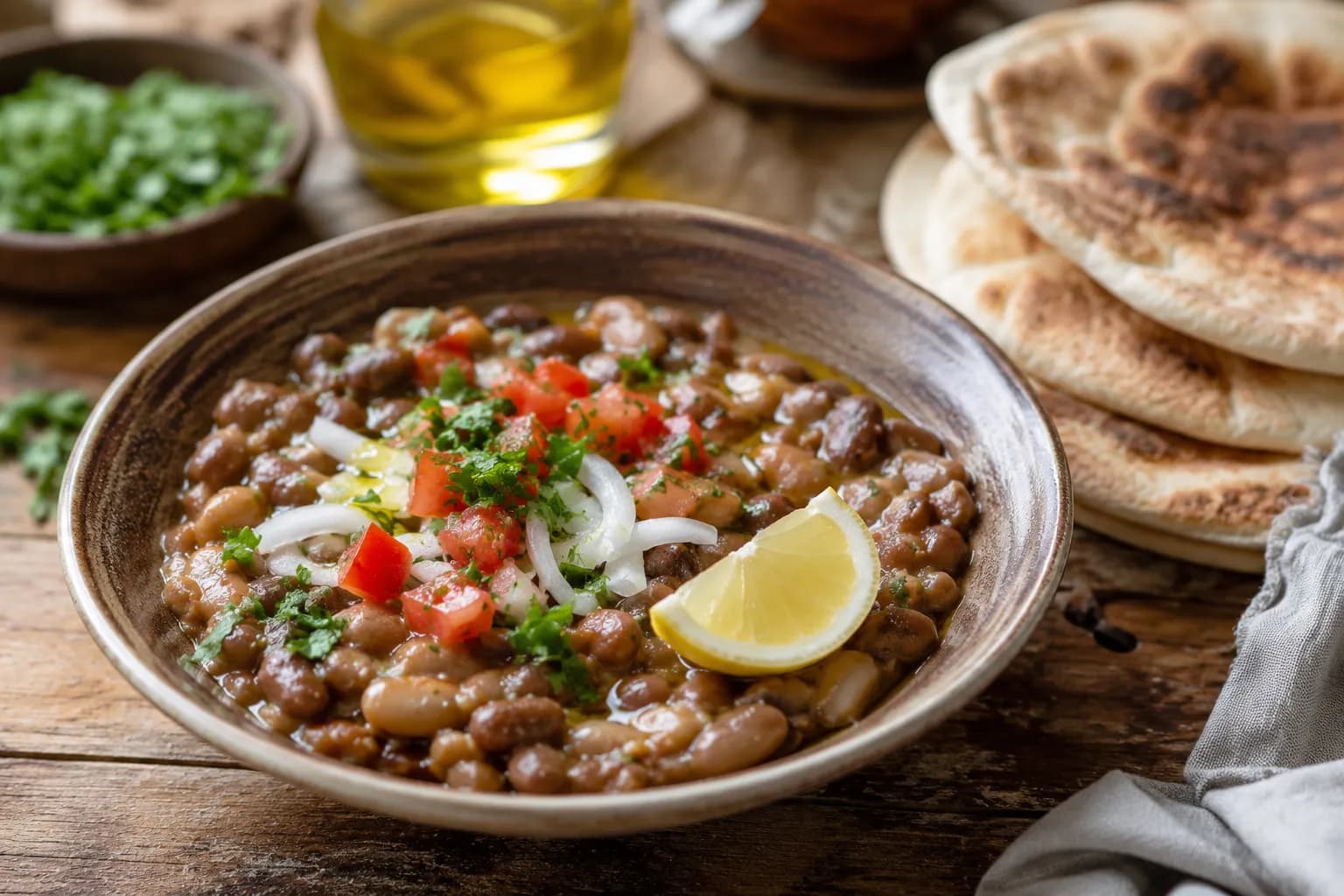
Foul (pronounced “fool”) is a slow-cooked fava bean stew that is one of the most common breakfast dishes in Saudi Arabia. The beans are simmered for hours until soft, then mashed and served with olive oil, lemon juice, cumin, and often topped with diced tomatoes, onions, and fresh chili. It is eaten by scooping with flatbread. Foul is hearty, protein-rich, and costs almost nothing, usually 5-10 SAR for a generous portion. Foul restaurants (often called “foul and tamees” shops) open very early in the morning and are packed with workers starting their day.
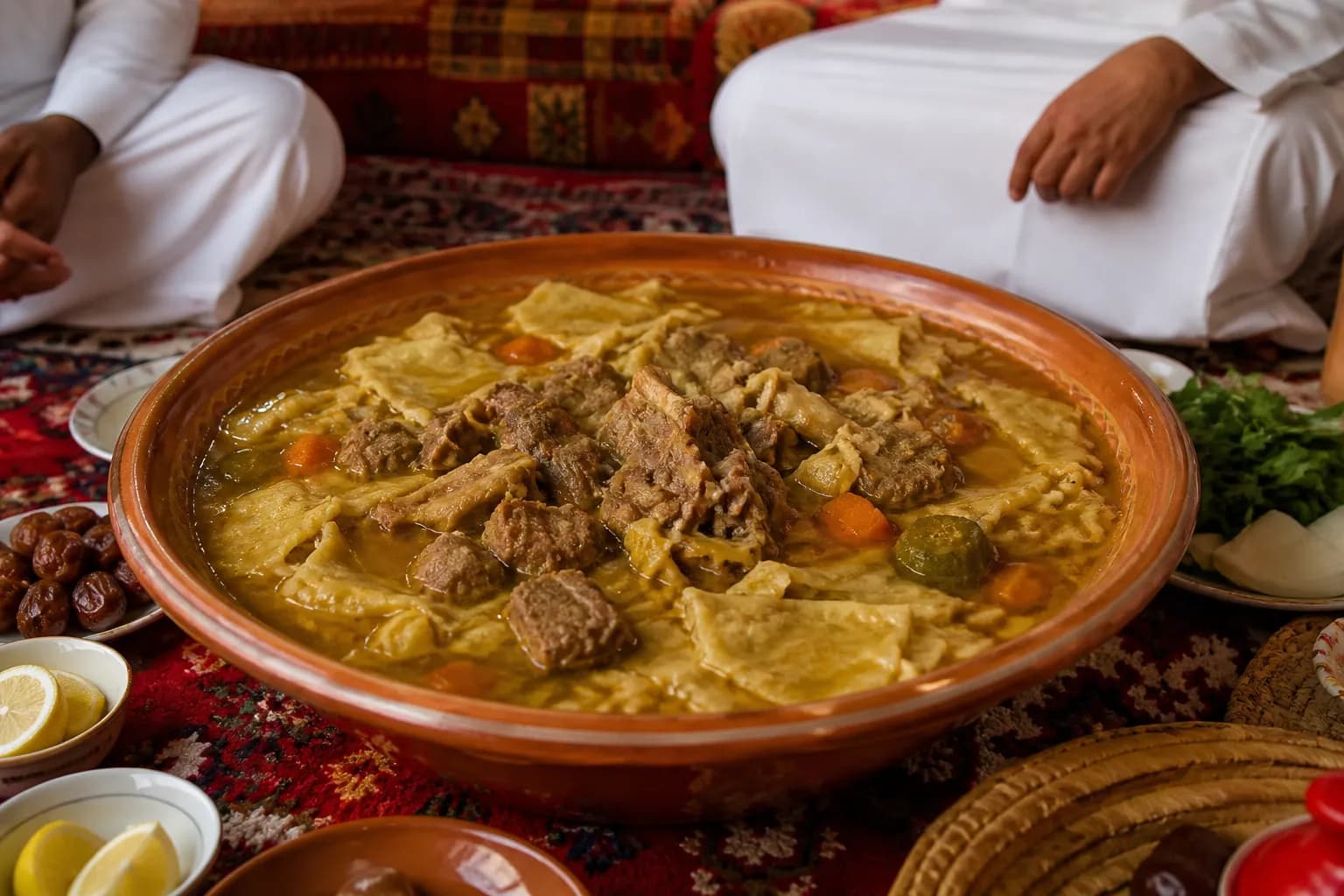
Mathloota, also known as margoog, is a traditional Najdi stew featuring thin sheets of dough cooked with vegetables (zucchini, carrots, potatoes, tomatoes) and meat in a rich broth. The dough breaks down slightly during cooking, thickening the stew. It is one of the most comforting dishes in Saudi cuisine and is especially popular in cooler months. You will find it in traditional Saudi restaurants and during family gatherings. The dish is less well-known internationally than kabsa, but many Saudis consider it the ultimate home-cooked meal.
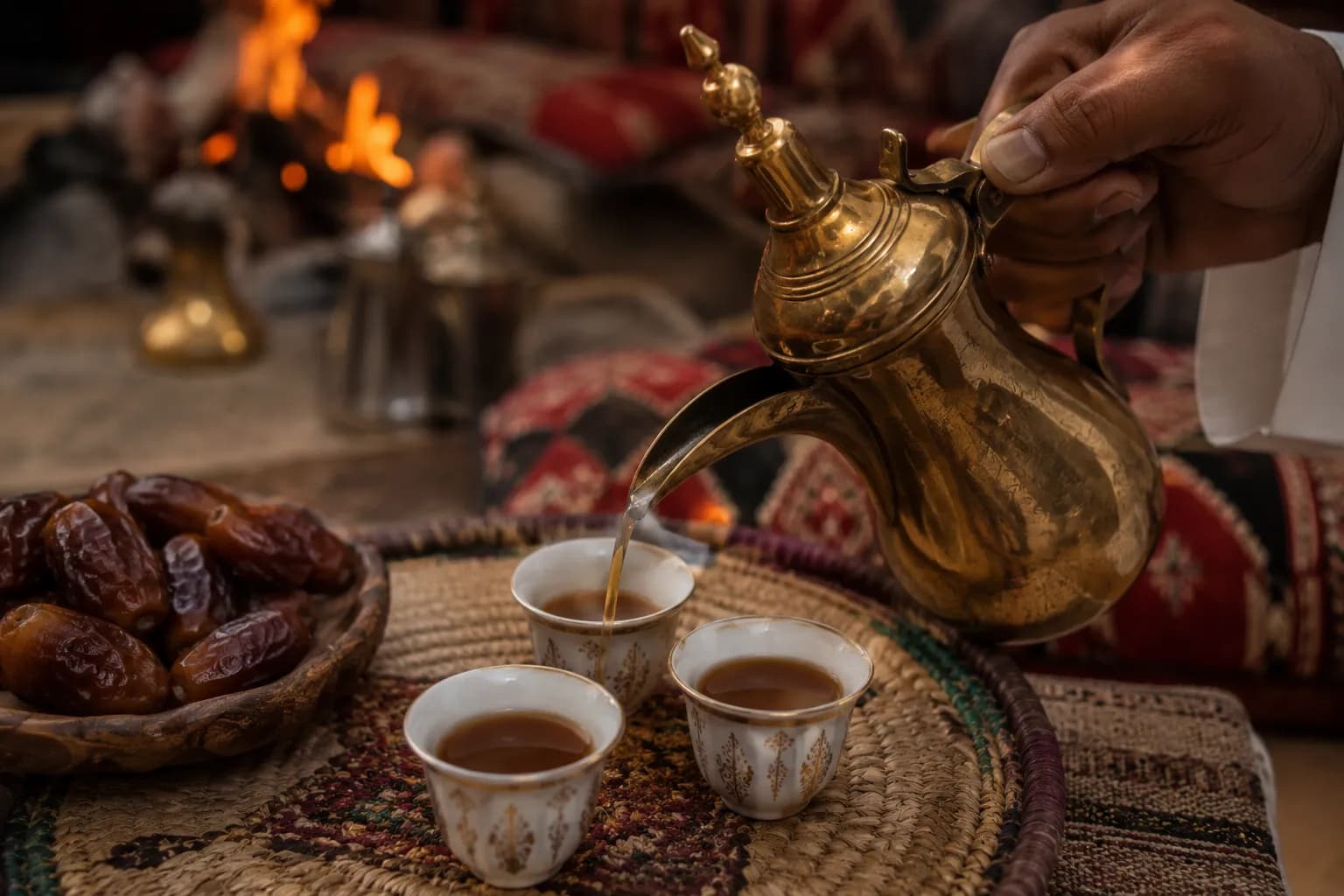
Arabic coffee (qahwa) in Saudi Arabia is nothing like the coffee you know. If you are expecting espresso or even Turkish coffee, reset your expectations completely. Saudi qahwa is light, golden-green in color, flavored with cardamom and sometimes saffron, and served in tiny handleless cups called finjaan. It is barely sweet (or not at all), with a taste that is aromatic, herbaceous, and completely unique. The first sip might surprise you. By the third or fourth time, you will start to crave it.
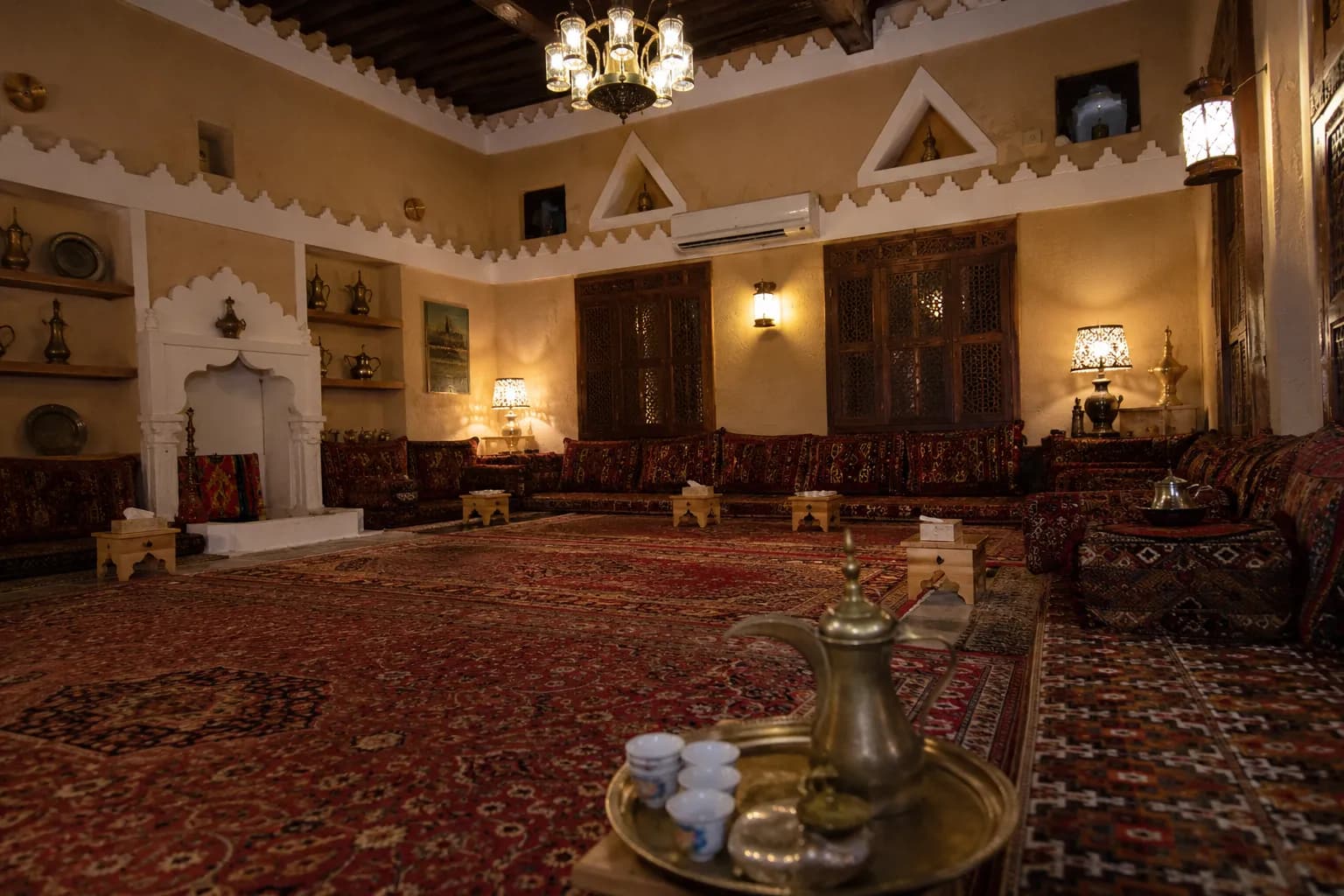
Coffee in Saudi Arabia is fundamentally a social ritual, not just a caffeine delivery system. When you visit someone's home, you will be offered qahwa almost immediately. It is poured from a traditional dallah (a long-spouted brass or silver pot) into the small cup, which you hold in your right hand. The host will keep refilling your cup until you gently shake it side to side, signaling you have had enough. Refusing the first cup is considered impolite. Accepting it is one of the most basic gestures of Saudi hospitality.
Dates accompany coffee always. Saudi Arabia is the world's second-largest producer of dates, and the variety is staggering. Ajwa dates (from Medina, dark and soft, considered sacred in Islamic tradition) are the most prized and expensive. Sukkari dates (golden, caramel-like, from Al Qassim) are probably the most popular everyday variety. Khalas dates (from the Eastern Province, amber-colored, sweet with a slight toffee note) are excellent. During date season (August-October), fresh dates appear everywhere and the quality is extraordinary.
The coffee and dates ritual extends beyond homes. Many Saudi offices and government buildings have someone whose job is to serve Arabic coffee to visitors. High-end hotels serve it in their lobbies. And the whole tradition was recognized by UNESCO as an Intangible Cultural Heritage of Humanity. Even if you never develop a taste for the coffee itself, understanding the ritual and accepting it graciously will open doors in Saudi social and business life.
Saudi street food is where you find some of the best eating at the lowest prices. The street food culture is especially vibrant in Jeddah's Al Balad district, in the old neighborhoods of Mecca and Medina, and increasingly in Riyadh as the city's food scene grows.
Samboosa (the Saudi version of samosa) is everywhere during Ramadan but available year-round. Small triangular pastries filled with spiced meat, cheese, or vegetables, deep-fried until crispy. They are sold at bakeries, supermarkets, and street vendors for 1-3 SAR each.
Tamees bread is a thick, round flatbread baked in a tandoor oven, with a slightly chewy texture and charred spots. It is the bread that accompanies foul for breakfast and is sold fresh from bakeries for just 1-2 SAR per piece. Some bakeries add sesame seeds or cheese on top.
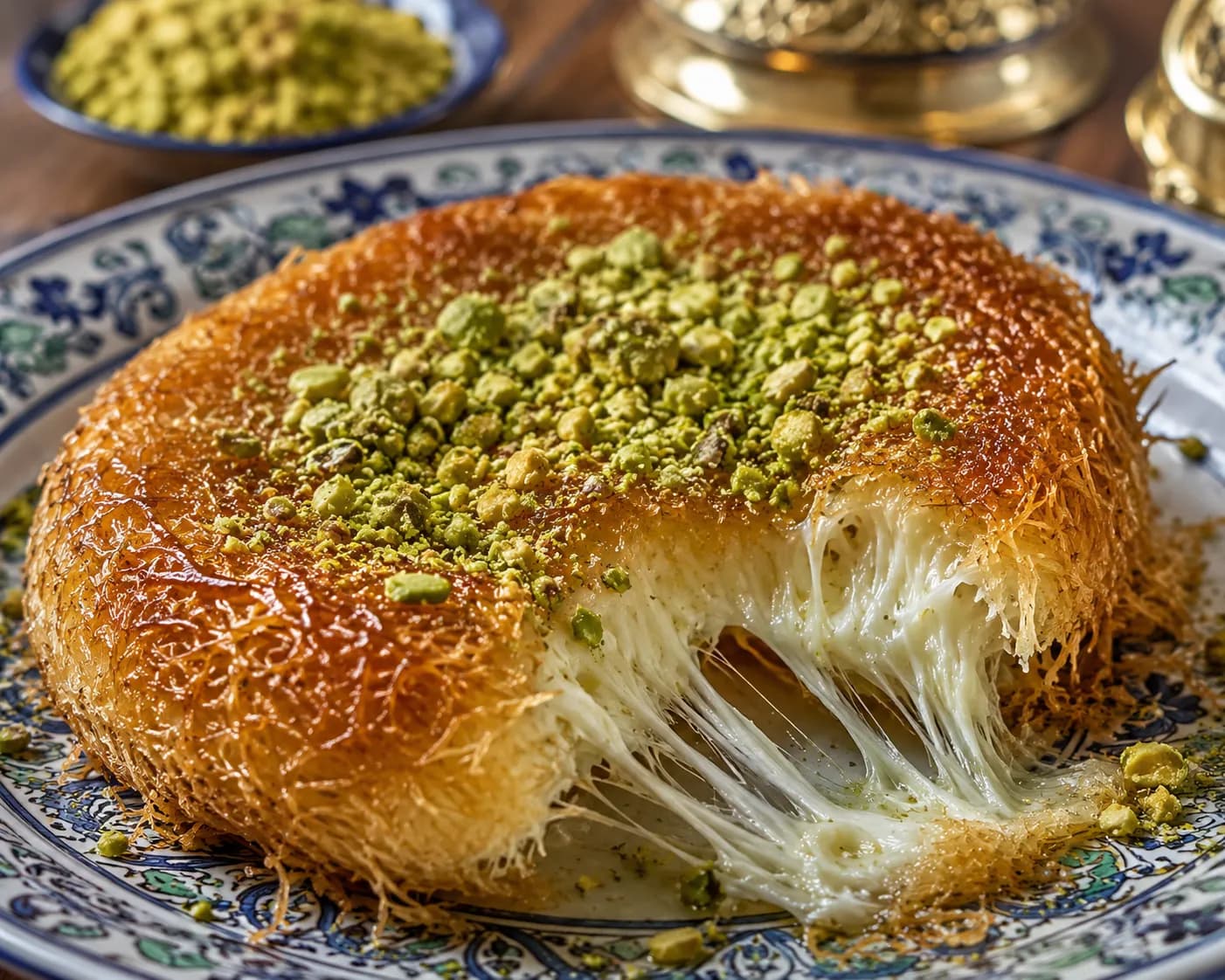
Kunafa is the king of Arabic desserts. Thin shredded pastry (similar to shredded filo) layered with cheese, soaked in sweet sugar syrup, and often topped with pistachios. The best kunafa has a crispy exterior and a gooey, stretchy cheese interior. It is available at dedicated kunafa shops and restaurants throughout the Kingdom. A portion costs 10-25 SAR.
Luqaimat are deep-fried dough balls drizzled with date syrup or honey, sometimes with sesame seeds. They are sweet, crunchy on the outside, fluffy inside, and utterly addictive. Luqaimat are a classic Ramadan treat but many dessert shops sell them year-round.
Fresh juices are a Saudi institution. Juice shops are on nearly every street, offering freshly squeezed orange, pomegranate, mango, avocado, and mixed fruit juices. A large fresh juice costs 10-20 SAR and is one of the best ways to cope with the heat. Avocado juice with honey is a Saudi specialty that sounds strange but tastes excellent.
Saudi dining culture has traditions that differ significantly from Western norms. Understanding them will make your eating experiences richer and help you avoid unintentional faux pas, especially when dining with Saudi hosts.
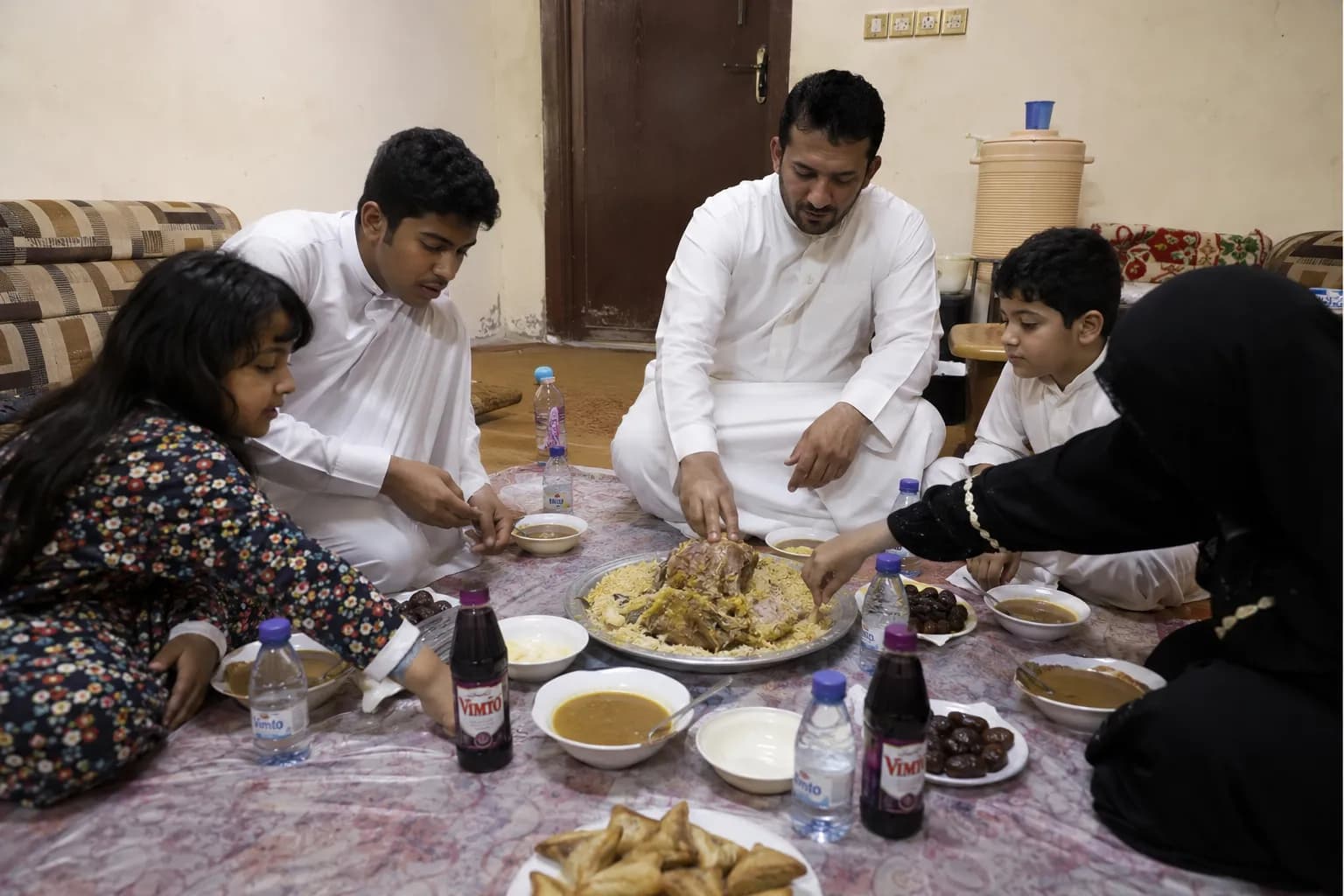
Traditional Saudi meals, especially kabsa and mandi, are eaten with the right hand. You tear pieces of meat with your fingers, form small balls of rice, and bring them to your mouth. The left hand is considered unclean and should not be used for eating. This takes practice if you are not used to it. In formal or home settings, following this tradition is appreciated, though no one will be offended if you ask for a spoon. In restaurants, utensils are always available.
Many traditional Saudi restaurants and homes feature floor seating on cushions around a low table or a large communal platter placed on a mat (sufra). This is the traditional Bedouin style of dining. The food is placed in the center and everyone eats from the shared dish, each person eating from the portion closest to them. It is considered impolite to reach across to the other side of the platter. If you see a particularly nice piece of meat on the other side, your host will likely notice and push it toward you.
Saudi hospitality around food is legendary and can be overwhelming for newcomers. If you are invited to a Saudi home for a meal, expect far more food than the group can possibly eat. This is not waste; it is a cultural expression of generosity. Your host will insist you eat more even when you are full. A polite “Alhamdulillah, I am full” (praise God, I am full) is the standard way to decline more food. Your host will likely insist once or twice more before accepting your refusal.
Saudi Arabia strictly prohibits the sale, consumption, and importation of alcohol. This is not a theoretical ban; it is actively enforced. Restaurants do not serve alcohol, and there is no nightlife scene centered around drinking. What you will find instead is a vibrant non-alcoholic beverage culture: fresh juices, Arabic coffee, Saudi champagne (a popular non-alcoholic sparkling apple-based drink), mocktails, and specialty teas. The Saudi coffee shop scene has exploded in recent years, with third-wave specialty coffee shops rivaling anything in London or Melbourne.
Tipping in Saudi restaurants is appreciated but not mandatory. A 10-15% tip is generous. Some restaurants add a service charge automatically (check your bill). For delivery drivers, a tip of 5-10 SAR is common and appreciated, especially in hot weather when they are working in extreme conditions.
All food in Saudi Arabia is halal. Pork and pork products are completely prohibited and not available anywhere in the country. If you are used to pork-based products (bacon, ham, certain sausages), you will find beef and turkey alternatives that are widely available in supermarkets and restaurants. All imported food products must be halal-certified.
Saudi Arabia's restaurant landscape is remarkably diverse, ranging from 3 SAR shawarma stands to fine dining restaurants that would not be out of place in Dubai or London. Here is what to expect from each category.
Traditional Saudi restaurants serve kabsa, mandi, and other local dishes in settings that range from simple to elaborate. Some have private family sections with floor seating and curtained partitions. Chains like Al Romansiah, Al Tazaj, Al Baik, and Kudu are consistent and affordable. A meal at these places typically costs 25-50 SAR per person.
Al Baik deserves special mention because it is practically a cultural institution. This Saudi fried chicken chain, founded in Jeddah in 1974, has a devoted following that borders on religious. When Al Baik opened its first Riyadh locations in 2022 after decades of being exclusive to the western region, people waited in lines for hours. A meal costs around 15-25 SAR and the quality is genuinely good. If you are in Saudi Arabia and have not tried Al Baik, you have not fully experienced Saudi food culture.
International cuisine is abundant in major cities. Riyadh and Jeddah have excellent Japanese, Korean, Indian, Italian, Turkish, Lebanese, and American restaurants. The Indian food scene is particularly strong due to the large South Asian expat community, and you can find authentic biryani, dosa, and curry that rival anything in India. Budget Indian restaurants serve complete meals for 15-25 SAR.
Fine dining has grown dramatically in recent years, especially in Riyadh. Restaurants at properties like The Ritz-Carlton, Four Seasons, and the new Diriyah Gate development offer world-class cuisine with Saudi-inspired menus. Expect to pay 200-500+ SAR per person at these establishments. The Riyadh and Jeddah food scenes have attracted international chefs and the quality at the top end is genuinely impressive.
Coffee shops are Saudi Arabia's social living rooms. The specialty coffee movement has taken off in the Kingdom, with Saudi baristas competing and winning at international competitions. Independent coffee shops in neighborhoods like Al Malqa and Tahlia in Riyadh, and Al Hamra in Jeddah, serve excellent pour-over, espresso, and cold brew alongside pastries and light meals. A specialty coffee costs 18-35 SAR.
Riyadh's food scene has exploded in recent years and is now arguably the best in the Kingdom. For traditional Saudi food, Najd Village in the Diplomatic Quarter serves kabsa and other Najdi dishes in a beautiful heritage-style setting with floor seating and traditional decor. It is a great introduction to Saudi cuisine. Al Romansiah is the go-to chain for reliable, affordable kabsa and grilled meats, with locations across the city.
For something more upscale, Takya at Diriyah Gate offers modern Saudi cuisine in a stunning setting overlooking the historic At-Turaif district. The Tahlia Street corridor has dozens of international restaurants and coffee shops. Boulevard Riyadh City during Riyadh Season turns into a massive food destination with pop-up restaurants and international food festivals.
For shawarma, ask any Riyadh local and they will point you to their favorite hole-in-the-wall. The neighborhood of Al Batha (the old downtown) has some of the cheapest and most authentic street food in the city, with Indian, Pakistani, Yemeni, and Egyptian restaurants that serve enormous portions for very little money.
Jeddah has the most diverse food scene in Saudi Arabia, shaped by centuries of pilgrims and merchants from around the world settling in the city. The Al Balad historic district has some of the oldest and most authentic restaurants, with tiny foul shops, fresh fish grills, and traditional Hijazi cooking that you will not find anywhere else.
Al Nakheel Restaurant on the Corniche serves excellent fresh seafood with a sea view. For Hijazi cuisine specifically, Hejazi Kitchen offers traditional dishes like saleeg (a creamy rice dish cooked in milk, topped with roasted chicken) and mabshoor. Jeddah's fish market (Souq Al Samak) lets you buy fresh catch and have it grilled on the spot for a small fee, which is one of the best food experiences in the city.
The Al Hamra district has become Jeddah's equivalent of a trendy food neighborhood, with specialty coffee shops, brunch spots, and international restaurants. And of course, Jeddah is where Al Baik was born, and locals will tell you the Jeddah branches are still the best.
The Eastern Province food scene is smaller but has some excellent spots. Khobar's waterfront along the Corniche has numerous restaurants with sea views, especially along Prince Turkey Street. The area is known for good seafood and has a strong selection of Lebanese and Iranian restaurants due to the diverse local population. Indian restaurants in Dammam are particularly good, with the working-class neighborhoods offering some of the most authentic subcontinental food outside of India.
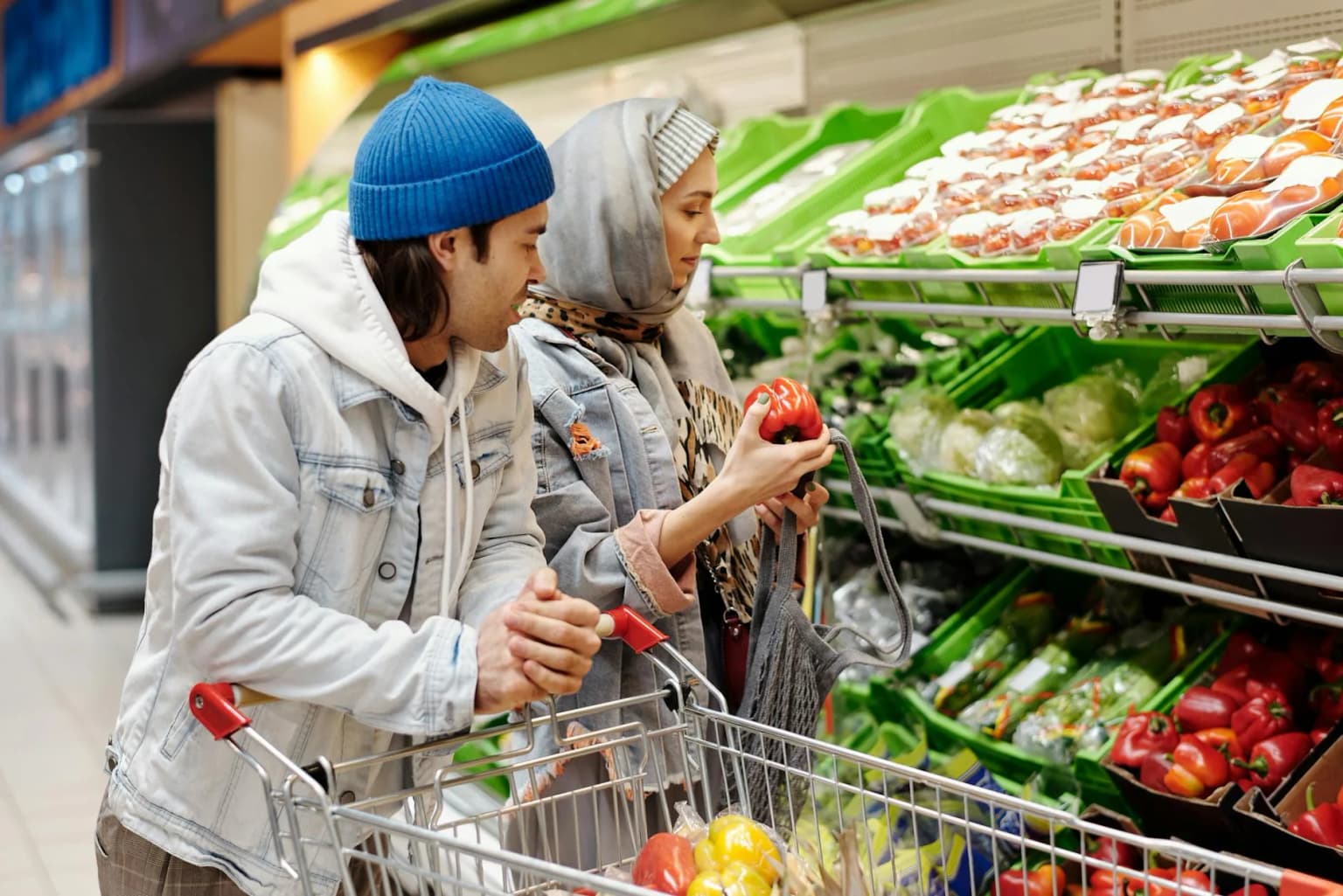
Grocery shopping in Saudi Arabia is easy and generally affordable. Major supermarket chains include Tamimi Markets (upscale, wide international selection, think of it as the Saudi Whole Foods), Panda (large hypermarket chain, good value), Danube (mid-range, excellent fresh food sections), Carrefour (familiar to Europeans, large hypermarket format), and LuLu Hypermarket (popular with the South Asian community, excellent for spices, rice, and international products).
Fresh produce is good quality and reasonably priced, though much of it is imported. Locally grown dates, tomatoes, cucumbers, and some fruits are available. Meat is always halal and generally fresh. Beef and chicken are affordable, while lamb is more expensive. You will notice that rice takes up enormous shelf space in Saudi supermarkets, reflecting its importance in the diet. Basmati rice is the standard for Saudi cooking.
One adjustment for Western expats: pork is not available anywhere, and some familiar products are either unavailable or have different formulations (gelatin-free versions, for example). Alcohol is not sold. But the overall grocery selection in major cities is excellent, with most international brands represented.
Traditional souqs (markets) are worth visiting for spices, dates, honey, and fresh bread. The spice souqs in Jeddah and Riyadh sell cardamom, saffron, cumin, and dried limes at prices well below supermarket rates. The date souqs, especially in Medina and Al Qassim, are destinations in themselves during harvest season.
Online grocery delivery has grown rapidly. Nana and InstaShop (now part of Delivery Hero) offer same-day delivery from major supermarkets. Tamimi and Danube also have their own delivery services through their apps.
Ramadan transforms the Saudi food landscape completely. During the holy month, Muslims fast from dawn to sunset, and eating, drinking, or smoking in public during daylight hours is prohibited for everyone, including non-Muslims. This is legally enforced and you should take it seriously. Most restaurants are closed during the day, though some may offer takeaway for non-Muslims (this varies by city and has become more relaxed in recent years).
The real action happens at iftar (the meal at sunset that breaks the fast). Iftar is one of the most special food experiences you can have in Saudi Arabia. Families prepare enormous spreads, restaurants offer lavish iftar buffets, and there is a genuine atmosphere of celebration and community every evening. Hotels and upscale restaurants offer iftar buffets priced at 150-400 SAR per person, featuring every dish imaginable.
Traditional iftar starts with dates and water (following the Prophet's tradition), then moves to soups (especially lentil and Harees), samboosas, and lighter appetizers, before the main dishes of kabsa, mandi, or other heavy meals come out. Fresh juices, especially Vimto (which has cult status in Saudi Arabia during Ramadan), jallab, and tamarind drinks are iftar staples.
Suhoor is the pre-dawn meal eaten before the fast begins. Many restaurants stay open very late during Ramadan specifically for suhoor, and it has become a social event in itself, especially among younger Saudis. Suhoor dishes tend to be lighter: foul, eggs, bread, yogurt, and dates. Some families gather at restaurants for suhoor until 3 or 4 AM.
For non-Muslim expats, Ramadan requires adjustment. Eat and drink in private during daytime. Plan your grocery shopping accordingly since stores may have reduced hours. But also embrace the experience, as many expats say Ramadan is one of the most memorable aspects of living in Saudi Arabia, especially the iftar gatherings and the festive atmosphere after sunset.
Food delivery is massive in Saudi Arabia, driven by the heat (nobody wants to go out at 2 PM in July), long distances between neighborhoods, and a young, tech-savvy population. The delivery infrastructure is excellent and most restaurants in major cities are available on at least one platform.
HungerStation is the local champion and the most widely used food delivery app in Saudi Arabia. It has the largest restaurant selection, including many small local places that are not on international platforms. The interface is available in English and Arabic.
Jahez is another Saudi-founded platform that has grown rapidly and competes directly with HungerStation. It often has good promotions and discount codes.
Careem (the ride-hailing app) also has a food delivery service built into its app, similar to how Uber has Uber Eats. It is convenient if you already use Careem for rides.
Talabat (owned by Delivery Hero) operates across the Gulf and has a good selection in Saudi cities.
Delivery fees typically range from 5-15 SAR per order, and some apps offer subscription plans (similar to Uber One or DoorDash+) that waive delivery fees for a monthly charge. During peak hours (Friday lunch, iftar time during Ramadan), delivery times can stretch significantly, so plan ahead for important meals.
Traditional Saudi food is aromatic and well-spiced but not typically hot-spicy. The spice profile is built around cardamom, cinnamon, cloves, saffron, and black lime rather than chili heat. That said, many restaurants serve chili sauce on the side, and South Asian-influenced dishes in Saudi Arabia can be very spicy. If you cannot handle heat, just ask for mild options.
Saudi Arabia offers great value across all price ranges. A shawarma sandwich costs 5-10 SAR. A full kabsa meal is 25-50 SAR. Casual international restaurants run 40-80 SAR per person. Fine dining ranges from 200-500+ SAR. You can eat very well on a modest budget, especially if you enjoy local Saudi and South Asian food.
Traditional Saudi cuisine is heavily meat-focused, and a purely vegetarian Saudi restaurant is rare. However, vegetarian options exist: foul (fava beans), hummus, fattoush salad, tabbouleh, cheese mutabbaq, and various vegetable dishes. Indian restaurants are the best bet for dedicated vegetarian meals, with extensive meat-free menus. Vegan options are growing in major cities, with some dedicated vegan restaurants and cafes appearing in Riyadh and Jeddah.
Non-Muslims are not required to fast during Ramadan, but eating, drinking, and smoking in public during daylight hours is prohibited. You can eat in private (your home, hotel room, or designated areas in some workplaces). Some hotels and malls have screened-off dining areas for non-fasting individuals. Regulations have relaxed somewhat in recent years, but it is best to be discreet and respectful.
Al Baik is a Saudi fried chicken chain founded in Jeddah in 1974. It has achieved an almost cult-like status in the Kingdom, with fierce loyalty from its fans. The chicken is marinated in a proprietary spice blend, fried to a crispy perfection, and served with garlic sauce. A meal costs 15-25 SAR and the quality-to-price ratio is genuinely hard to beat. For decades, it was only available in the western region, which made it even more coveted. Now it operates nationwide.
Tap water in Saudi Arabia is desalinated and technically meets safety standards, but most residents (both locals and expats) drink bottled water. Large water bottles (18.9 liters) are delivered to homes and offices and cost around 8-12 SAR. Popular brands include NOVA, Berain, and Al Wadi. In restaurants, you will be served bottled water.
Now that you know what to eat, explore the cities where you can find it. From Riyadh's booming restaurant scene to Jeddah's historic food streets, Saudi Arabia's culinary landscape is waiting for you.