
Loading...
Join our Facebook Group: Join: Expats in Saudi Arabia
Loading...
Saudi citizenship by Royal Decree (Amr Malaki) is the most prestigious pathway to Saudi nationality. Reserved for exceptional individuals who have made outstanding contributions to Saudi Arabia, this pathway bypasses the standard naturalization process. The King grants citizenship directly to scientists, scholars, athletes, doctors, and investors who bring extraordinary value to the Kingdom.
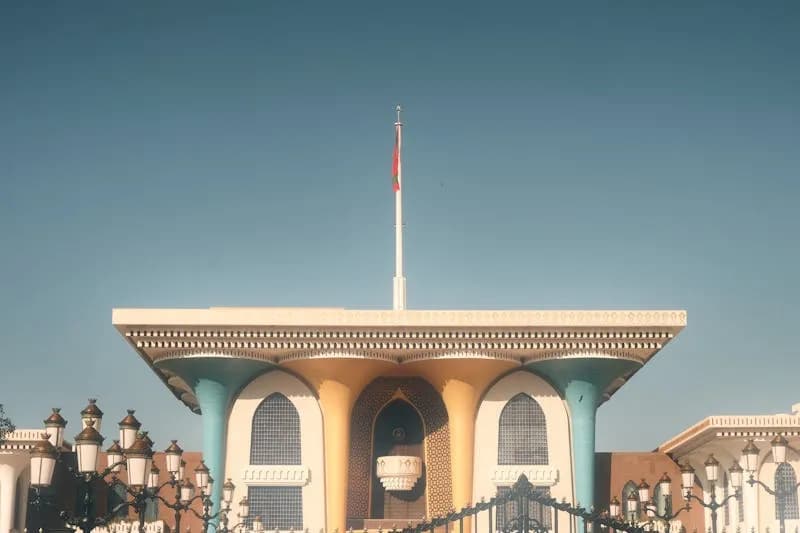
Citizenship by Royal Decree (Amr Malaki or Amr Sami) is the process by which the King of Saudi Arabia directly grants nationality to an individual. Unlike standard naturalization, which requires 10+ years of residence and meeting multiple criteria, Royal Decree citizenship can be granted immediately to anyone the King deems worthy.
This pathway has become increasingly important under Vision 2030, as Saudi Arabia actively seeks to attract and retain world-class talent. The government recognizes that exceptional individuals contribute disproportionately to economic growth, scientific advancement, and national prestige. Granting them citizenship secures their long-term commitment to the Kingdom.
There is no formal application process. Candidates are identified through government ministries, Saudi institutions, or through recommendations from senior officials. The decision is entirely at the King's discretion and is not subject to appeal or review.
Royal Decree citizenship is reserved for individuals who bring exceptional value to Saudi Arabia. The following categories are most commonly considered:
World-class scientists who contribute to Saudi research institutions or Vision 2030 scientific goals
PhD holders in STEM fields, published researchers, patent holders working in Saudi institutions
Renowned doctors and healthcare professionals serving in Saudi Arabia's medical sector
Surgeons, specialists in rare fields, public health experts serving Saudi hospitals long-term
Prominent religious scholars who have contributed to Islamic education and jurisprudence in Saudi Arabia
Imams, muftis, Islamic university professors, authors of significant religious works
Athletes who represent Saudi Arabia in international competitions or coach Saudi national teams
Olympic athletes, FIFA players representing Saudi clubs, national team coaches with achievements
Individuals who have made significant economic contributions through investment or job creation
Founders of major businesses in Saudi Arabia, investors of 100M+ SAR, significant job creators
Artists, filmmakers, and cultural figures contributing to Saudi Arabia's cultural transformation
Internationally recognized artists, filmmakers, architects who have shaped Saudi projects
A Saudi government ministry, institution, or senior official identifies an exceptional individual and submits a recommendation through official channels. This could come from a university president, hospital director, sports federation, or investment authority.
The Ministry of Interior conducts background checks and verifies the individual's credentials, contributions, and character. Security clearances are obtained and the recommendation is validated.
The vetted recommendation is submitted to the Royal Court for the King's consideration. Multiple recommendations may be batched together for a single Royal Order.
If approved, a Royal Decree (Amr Malaki) is issued granting Saudi nationality to the individual. The decree may be published in the official gazette or communicated through private channels.
The individual is notified and invited to complete administrative procedures: fingerprinting, photograph, oath of allegiance, and documentation. This is handled by the Ministry of Interior.
The new citizen receives their Saudi national ID (Hawiyya), is registered in the civil affairs system, and can apply for a Saudi passport. Family members specified in the decree also receive their documents.
Under Vision 2030, Saudi Arabia has significantly increased the use of Royal Decree citizenship as a tool for talent attraction. The strategy aims to:
| Criteria | Royal Decree | Naturalization | Premium Residency |
|---|---|---|---|
| Residence Required | None | 10+ years | None |
| Cost | Free | Administrative fees | 800,000 SAR (permanent) |
| Application | No formal application | Submit to Ministry of Interior | Online portal |
| Saudi Passport | Yes | Yes | No (keep foreign passport) |
| Dual Citizenship | Must renounce | Must renounce | Allowed |
| Timeline | Immediate (when granted) | 1-5 years processing | 30-90 days |
| Realistic For | Exceptional talent only | Very few long-term residents | Anyone with funds |
Looking for an immigration lawyer?
Get matched for free with a verified, English-speaking specialist in your city.
There is no formal application process for citizenship by Royal Decree. Unlike naturalization, you cannot submit an application. Citizenship by Royal Decree is initiated by the Saudi government, typically through recommendations from ministries, institutions, or senior officials who recognize an individual's exceptional contributions. However, you can increase your visibility by working in Saudi Arabia, contributing to Vision 2030, and building relationships with Saudi institutions.
The exact numbers are not publicly disclosed, but it is estimated that only a few dozen to a few hundred individuals receive citizenship by Royal Decree annually. This number has been increasing since 2019 as part of Vision 2030's strategy to attract global talent. The most publicized grants have involved Islamic scholars, scientists, and athletes, though many grants are not publicly announced.
Yes, naturalized citizens (whether through Royal Decree or standard naturalization) receive the same legal rights as born citizens, including: Saudi passport, right to work in any sector including government, property ownership anywhere in Saudi Arabia, voting rights in municipal elections, and social security benefits. However, there are some political restrictions - naturalized citizens cannot serve in certain senior government positions for a specified period.
Typically, when citizenship is granted by Royal Decree, it can include the recipient's immediate family (spouse and minor children). However, this varies case by case and is specified in the decree itself. Adult children usually need to apply separately. The spouse may be included or may need to follow standard naturalization procedures depending on the specific decree.
There is no formal connection. Premium Residency does not lead to citizenship by Royal Decree. However, holding Premium Residency demonstrates long-term commitment to Saudi Arabia, which could theoretically make someone more visible for consideration. Many Royal Decree recipients never held Premium Residency - they were identified through their professional contributions and reputation.
Yes, like all forms of Saudi citizenship granted through naturalization, Royal Decree citizenship can be revoked if the individual: commits a serious crime, acts against Saudi national interests, obtains citizenship through fraud or false documents, resides outside Saudi Arabia for extended periods without justification, or works for a foreign government without authorization. Revocation requires a Royal Order.
There is no standard timeline since there is no formal application process. When the Saudi government decides to grant citizenship, the process from Royal Order issuance to receiving documentation typically takes 1-3 months. The individual is notified through official channels, and they then complete administrative procedures (ID issuance, passport application) through normal channels.
Yes, several notable figures have received Saudi citizenship. Examples include: several prominent Islamic scholars from Egypt, Syria, and India; scientists working at KAUST and other research institutions; professional athletes who have represented Saudi Arabia; and business leaders who have significantly invested in the Kingdom. Specific names are sometimes announced in state media.
Royal Decree citizenship is reserved for the exceptional few. For most expats, Premium Residency or standard work visas are the realistic options.